State says 50% reservation cap not absolute; cites BCs form 56.33% of population in defence of quota hike
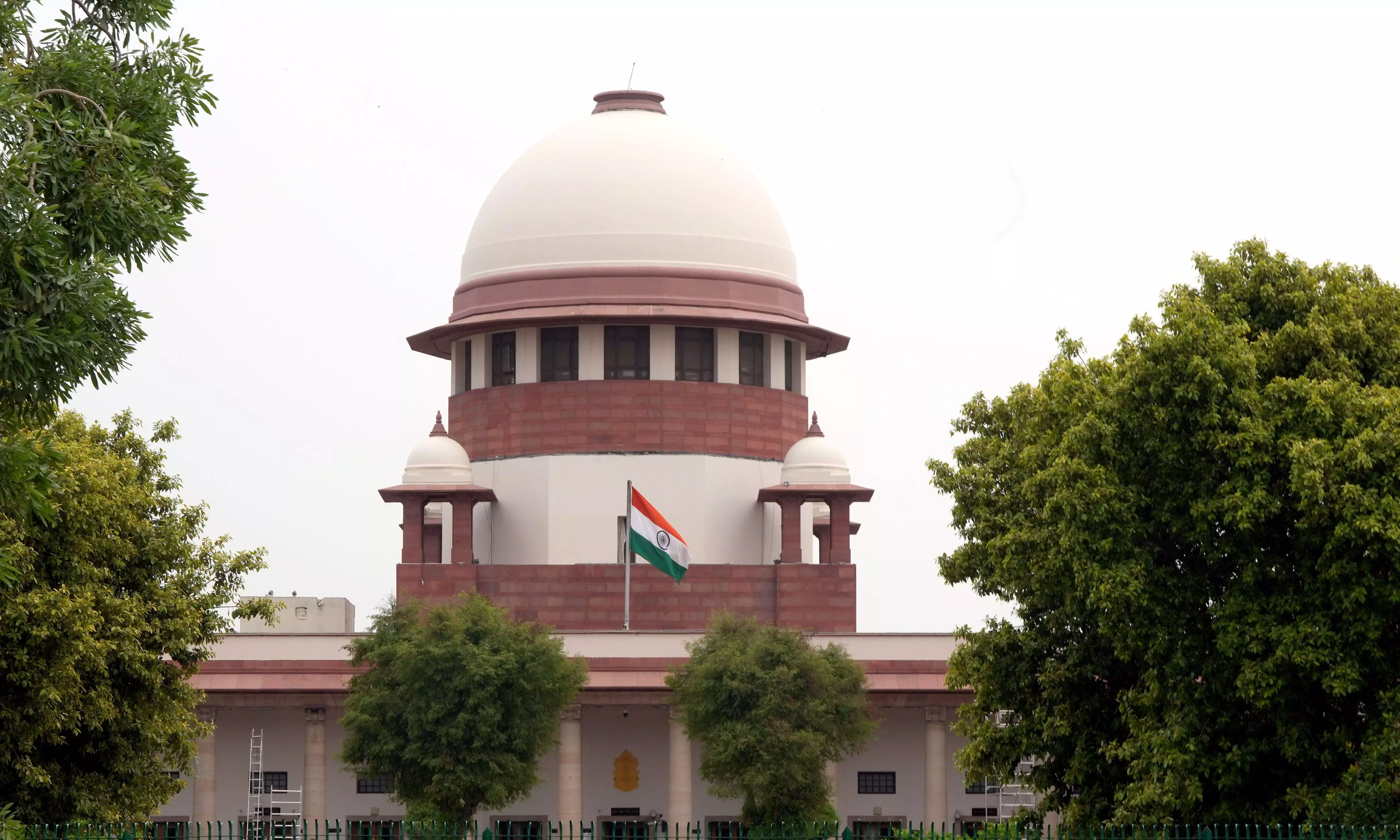
Hyderabad: The state government on Tuesday filed a special leave petition (SLP) in the Supreme Court challenging the Telangana High Court’s interim stay on GO 9, which had enhanced reservation for the Backward Classes (BCs) community in local body elections to 42 per cent.
The SLP was filed as per the instructions of Chief Minister A. Revanth Reddy, who held a virtual meeting with legal experts and Supreme Court lawyers to discuss and finalise the contents of the petition. The Supreme Court is likely to hear the case on October 16 or 17.
Two petitions filed earlier in the High Court argued that the enhanced 42 per cent BC quota breached the 50 per cent ceiling on total reservations. After hearing the case, the High Court had issued a stay on September 9, directing the State Election Commission to conduct elections as per the earlier quota structure. The interim order brought the election process to a halt across the state.
In its SLP in the Supreme Court, the state government contended that the Constitution did not explicitly impose a 50 per cent cap on reservations. Citing the ‘Indira Sawhney v. Union of India’ judgment, it said the ceiling could be exceeded in exceptional circumstances. The petition asserted that all constitutional procedures were followed in line with the Supreme Court’s directives in ‘Vikas Kishanrao Gawali v. State of Maharashtra’.
The state government said it had conducted a comprehensive socio-economic and educational survey (SEEPC) which found that the BC community constituted 56.33 per cent of Telangana’s population. Acting on the recommendations of a Dedicated BC Commission headed by retired IAS officer Busani Venkateshwara Rao, the Cabinet decided to raise the quota to 42 per cent.
The Telangana BC Reservations Bill 2025 was passed by both Houses of the Legislature in March and sent to the Governor, who forwarded it to the President on March 30. The Union Home Ministry sought clarifications in June, which were duly submitted in July. The government informed the apex court that the Bills have since remained pending without approval or return.
The SLP argued that when the Governor or President fails to act on Bills passed by the Legislature within three months, they were deemed to have received assent, in line with a Supreme Court order in ‘The State of Tamil Nadu v. The Governor of Tamil Nadu’. The government, therefore, urged the Supreme Court to strike down the High Court’s interim stay and allow elections to be conducted under the enhanced quota policy.
On Tuesday, the state government counsels mentioned the case before the Supreme Court registry, seeking an early hearing, preferably on October 16 or 17. The registry assured that the matter would be placed before the Chief Justice of India for scheduling.
TPCC chief B. Mahesh Kumar Goud, who met senior advocate Abhishek Manu Singhvi in Delhi, said the Congress government was determined to secure justice for BCs. He stated that despite opposition from the BJP and BRS, the state government would not back down from its historic decision to uplift backward communities. Goud expressed confidence that the Supreme Court would uphold the government’s stand when the SLP comes up for hearing.