Telangana: Minorities Seek Place in Education Policy Panel

Stakeholders have called for the inclusion of representatives from minority institutions and at least one Muslim IAS officer in the committee.
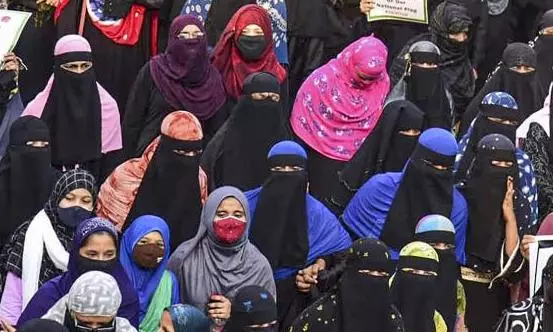
Hyderabad: The absence of minority representation in the newly formed Telangana Education Policy (TEP) draft committee has triggered concern among educationists, who warn that it risks leaving out the voices of a large section of the state’s student community.
Muslims account for about 12.7 per cent of Telangana’s population and manage over 1,500 schools and 100 colleges. They argue that overlooking their role in the policy-making process could result in reforms that fail to reflect the realities of students from diverse backgrounds.
Stakeholders have called for the inclusion of representatives from minority institutions and at least one Muslim IAS officer in the committee. They say such representation would ensure that reforms in school, higher, technical, vocational and professional education are more equitable and accessible.
“Leaving out a community that runs thousands of institutions and has contributed to improving literacy for decades is not just unfair, it is unwise,” said M.S. Farooq, general secretary of the All India Muslim Educational Society (AIMES). “Our lived experiences in managing schools and colleges give us the ability to suggest reforms that align with emerging job markets and digital transformation,” he explained.
Another educationist, Matilda C., added, “If this policy is to serve all sections of Telangana, then it must reflect the voices of minorities too. Exclusion will only weaken trust and widen gaps.” Organisations like AIMES have now urged the government to reconsider the committee’s composition so the education policy “evolves as a genuinely inclusive framework.”
