Telangana Cabinet Approves Musi Phase-1 Works at a Cost of Rs 7,345 Cr

Government approves 21-km riverfront works, fast-tracks tenders and rehabilitation measures
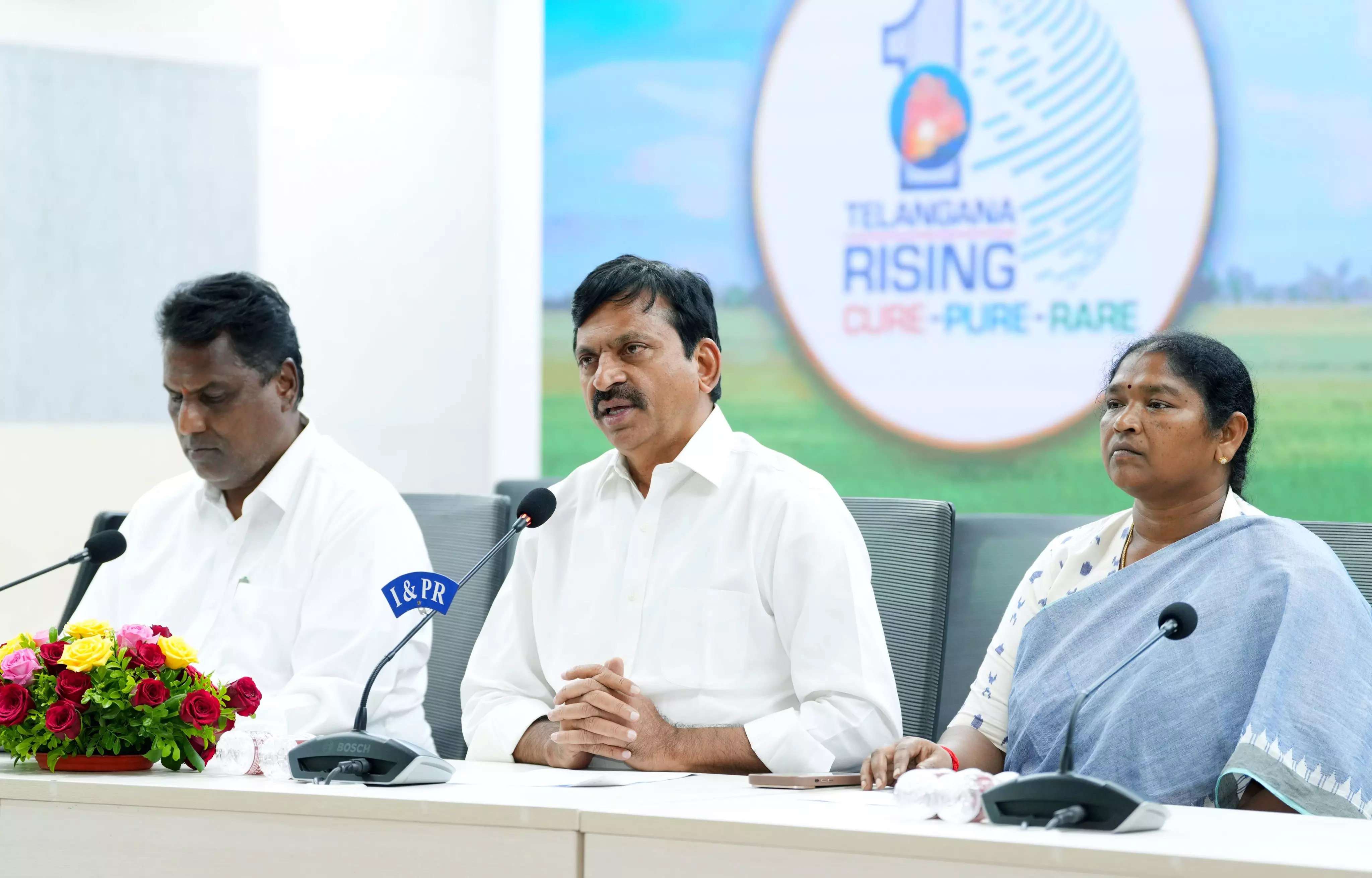
Hyderabad: The state Cabinet on Thursday accorded administrative approval for the first phase of the ambitious Musi river rejuvenation project at an estimated cost of Rs 7,345.12 crore, setting in motion the implementation of the long-awaited riverfront development initiative.
The government will issue technical sanction and approve the notice inviting tenders (NIT) by July 9. It plans to finalise the tender process and award contracts by August 19, paving the way for commencement of Phase-I works. This marks the formal initiation of the implementation of the first phase of the Musi River rejuvenation project.
Briefing the media on the Cabinet decisions, information and public relations minister Ponguleti Srinivas Reddy said the Cabinet approved Phase-I works covering a 21-km stretch of the river at a cost of Rs 7,345.12 crore. The project will be taken up from the point where the streams from Himayatsagar and Osmansagar originate and converge at Bapu Ghat, Langar Houz.
The first phase comprises two stretches converging at the proposed Gandhi Sarovar near Bapu Ghat. Stretch-A extends 9.2 km from Himayatsagar and Stretch-B covers 11.8 km from Osmansagar (Gandipet).
The Cabinet also approved the creation of 147 new posts for the implementation and maintenance of the Musi riverfront works. In addition, it cleared the deputation of required personnel from other government departments to ensure smooth execution and management of the project.
According to official sources, Singapore-based engineering consultancy Meinhardt, working as part of an international consortium comprising Cushman & Wakefield and RIOS, submitted the draft detailed project report (DPR) for the first phase on May 30.
The DPR focuses on ensuring continuous fresh water flow in the Musi, creation of modern riverfront infrastructure and comprehensive flood mitigation measures aimed at transforming the river into a sustainable urban waterway.
During the Cabinet meeting, Chief Minister Revanth Reddy directed officials to allot double-bedroom houses to families presently residing in the Musi riverbed as part of the rehabilitation process. He also instructed that landowners affected by land acquisition should either be provided transferable development rights (TDR) or paid suitable compensation.
The Chief Minister directed officials to relocate structures situated on defence land proposed to be acquired for the Gandhi Sarovar project, with the state government undertaking the responsibility for shifting them.
Revanth Reddy also directed officials to establish a Musi experience centre on Necklace Road — P.V. Narasimha Rao Marg — along the Hussainsagar, to help the public understand the vision behind the project and the development works planned under it. He said the centre should comprehensively showcase all components of the project while also serving as a platform for collecting public feedback and suggestions on the proposed riverfront development initiative.
