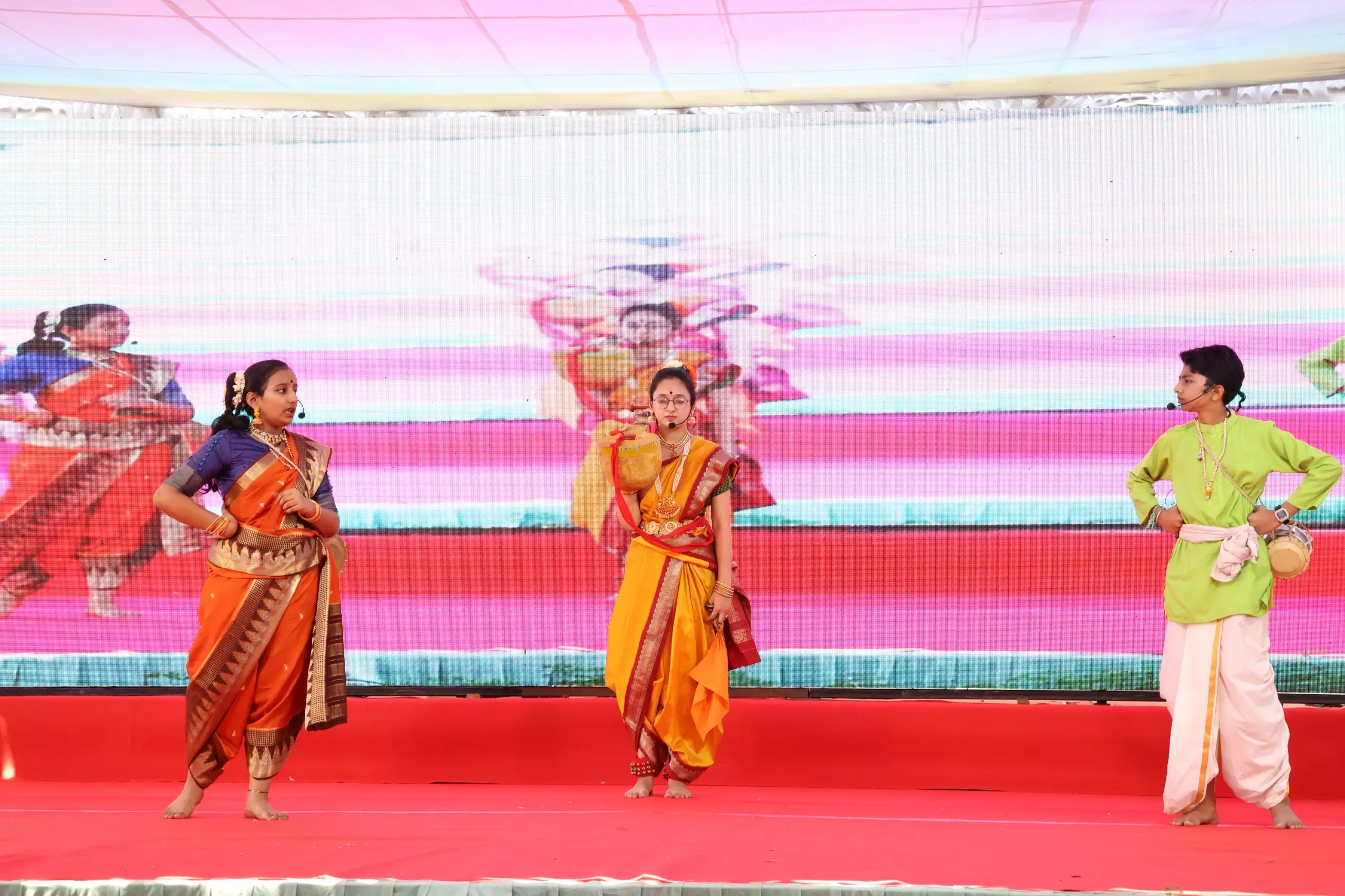
Telangana: Burra Katha By Students Of Saarangi Sangeetalayam During Telugu Bhasha Samskrutika Utsavalu 2026 At Rashtrapati Nilayam

Arts College principal Prof C. Kasim said Telangana’s literary tradition had historically carried a voice of dissent against rulers and governments: Reports
HYDERABAD: Questioning governments and officials and speaking up against exploitation remain central to Kaloji Narayana Rao’s legacy, speakers said at Telangana Language Day celebrations at Osmania University’s Arts College on Wednesday.
Arts College principal Prof C. Kasim said Telangana’s literary tradition had historically carried a voice of dissent against rulers and governments. He placed Kaloji in that tradition, alongside Pothana, Palkuriki Somanatha and Kancherla Gopanna.
“Kaloji used his pen and voice for the people, not for awards and rewards,” Kasim said, urging citizens in a democracy to develop the habit of questioning governments and officials, drawing inspiration from Kaloji.
The programme was organised by the OU Telugu Department and Arts College to mark Kaloji’s birth anniversary, in accordance with Telangana government orders. Faculty, non‑teaching staff and students paid floral tributes to his portrait.
Dr Raghu, chairman of the Telugu Department’s Board of Studies, said Kaloji’s public life stretched from the Nizam era through the Telangana statehood movement, with his work consistently centred on people’s concerns.
OU Telugu Department head Prof Vijayalakshmi said Kaloji gave recognition to the Telangana dialect as Telugu and devoted his life to people’s struggles, treating “the people’s problem as my own”.
Dr Konda Nageswara Rao said Kaloji’s opposition to exploitation and oppression should be remembered irrespective of who was responsible. He said his message was clear that people should not be spared from scrutiny simply because they belonged to their own region or another.
The emphasis on language and public expression comes amid a set of Telugu language programmes in the state. Separately, the Rashtrapati Nilayam in Secunderabad is hosting Telugu Bhasha Samskrutika Utsavalu 2026, with around 2,200 students participating in competitions and cultural programmes. The festival is part of activities marking the birth anniversary of Telugu language scholar Gidugu Venkata Ramamurthy and promoting the use and importance of Telugu.
The Rashtrapati Nilayam programme includes literary, cultural and language‑related competitions and activities involving students from schools and colleges. The initiative also seeks to encourage wider use of Telugu in education and public life.
Students participated in literary, language and cultural competitions, with activities designed to encourage them to engage with Telugu beyond classroom learning. The programme included competitions and performances covering different aspects of Telugu language, literature and culture.
The two‑day concluding programme also featured cultural presentations and student performances. Participants were recognised for their performance in the various competitions.
The celebrations were part of an effort to encourage interest in Telugu among younger generations at a time when students increasingly interact with education and communication in multiple languages.
The programme also highlighted the role of educational institutions in preserving language and cultural traditions while making them relevant to younger audiences.
