Switch to Other Crops a Tough Task for Farmers
Say no to paddy easier said than done
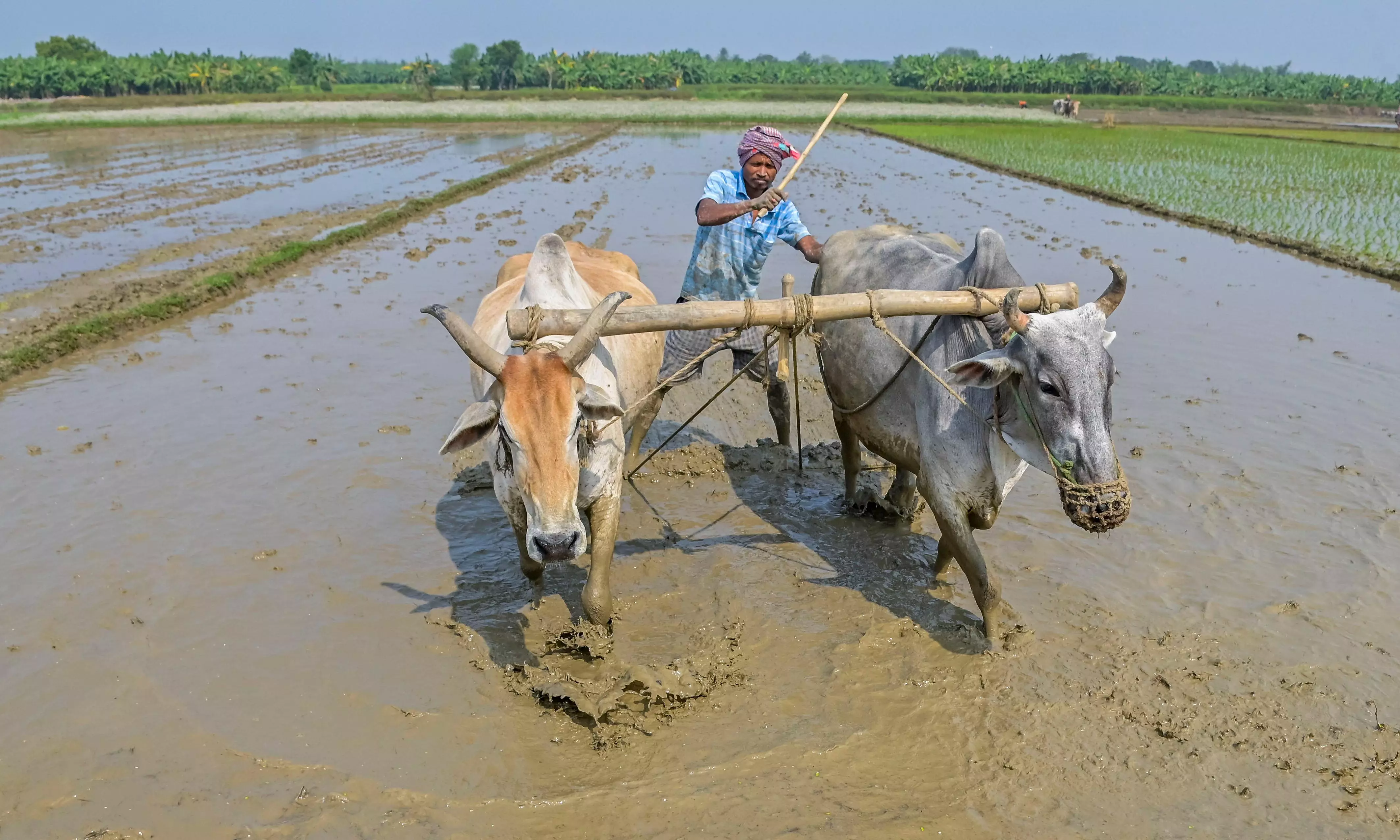
Hyderabad: The Telangana government, which has been urging farmers to desist from choosing paddy as the crop of choice for the kharif in view of the apprehensions of rain shortfall in the El Nino-haunted monsoon, and attempting to encourage alternative crops which are less water-intensive, may find itself battling through some muddy situations as the crop season begins to unfold.
“The biggest problem for farmers to move away from paddy to other crops is not the weather, the rain, or availability of water. Even if they want to, or are willing to try something other than paddy, it will not be easy because the soil on which paddy has been cultivated will require intensive modification,” according to Ravi Kanneganti of the Rythu Swarajya Vedika. “This is an expensive, time-consuming, and labour-intensive affair.”
Farmers in Telangana, with successive governments promising assured procurement of their crop at the minimum support price (MSP), and bonuses for fine variety of rice, have increasingly turned to paddy. Other factors such as crops being raided by monkeys, or wild boar in several districts, and bountiful rain over the past five to six years which led to increased groundwater availability have also contributed to the rise in paddy cultivation.
“What used to be some 25 to 30 lakh acres of paddy cultivation is now around 65 lakh acres. This year too, in the kharif season, the expectation is that farmers are preferring to grow paddy in around 60 lakh acres,” Ravi said. The real problem will arise if the rain indeed fails, leading to depletion of groundwater reserves, and challenges in canal-based irrigation from reservoirs which will result in crop stress where paddy is planted.
According to experts, for growing paddy, farmers turn to puddling of their land – repeated tilling and turning over the soil that results in the soil becoming fine and compacted – as growing paddy requires standing water. Normal soil can quickly drain surface water into the ground but compacted soil, almost with the consistency of clay, is needed for paddy.
This compacted soil will be required to be reworked to make it more suitable for aeration, for the water not to stand, as waterlogging is not suitable for crops other than paddy. As this process requires time, at least a couple of crop seasons, and will also need intensive soil management, many paddy farmers may not opt to do so and hence continue to raise paddy, especially with government incentives that come for the crop.
“If the government is serious about crop diversification, then it should guarantee purchase of the alternate crops, provide crop insurance to the alternates and give farmers the confidence that they will not be at a loss because they follow government advice,” Ravi added.
Infogrpah
Hard grind before crop switching
Repeated paddy cultivation has created a ‘hardpan’ soil condition of up to 15 cm deep.
Changing the soil structure from a waterlogging to a non-waterlogging state required
Repeated deep ploughing of the soil after complete drying to a depth of up to 20 cm.
As ‘puddling’ for paddy leaches soil nutrients, addition of manure is required.
Ensure soil is not acidic, as waterlogging creates this condition.
Standing water controls weed growth, changing soil profile to non-paddy crops will require weed management.
