On Tuesday, police detained BRS MLC K. Kavitha after she and her supporters attempted to stage a sit-in protest outside Bus Bhavan, the TSRTC headquarters in Hyderabad.
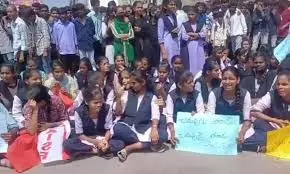
Hyderabad:A rise in student bus pass fares has drawn widespread protests and political backlash, with students, activists and opposition parties demanding that the Telangana State Road Transport Corporation (TGSRTC) immediately withdraw the decision.
The revised rates, which came into effect on Monday, saw fares go up by over 20 per cent across most categories. In Hyderabad and Warangal, for example, the monthly pass for students travelling up to 4 km was hiked from Rs 150 to Rs 225. A general monthly student pass has gone from Rs 400 to Rs 600 and longer distance route passes, including those up to 30 km, now cost as much as Rs 750.
Students travelling from the outskirts to city colleges are among the hardest hit.
N. Sairam, a degree student from Bandlaguda, said his daily commute to Alwal has become costlier. “The earlier pass itself was a stretch. Now I’ll have to cut down on other expenses just to afford the bus, as I am given only so much money at home per month to cover all my costs,” he said.
Rohit Kamula, who travels from Lakdikapul to Ghatkesar for college, said, “Not everyone has private transport. These hikes push poor students closer to dropping out.”
Adding to the frustration, many students point out that RTC hasn’t increased the number of student-dedicated buses in years, despite growing demand. Instead, it now claims to be allowing student pass holders to use Metro Express buses in the city to ease crowding, a move students say is an inadequate consolation for the hike.
On Tuesday, police detained BRS MLC K. Kavitha after she and her supporters attempted to stage a sit-in protest outside Bus Bhavan, the TSRTC headquarters in Hyderabad. The protest, organised by Telangana Jagruthi, accused the Congress-led state government of placing a financial burden on students and failing to deliver affordable public transport.
Student organisations including the SFI have warned of mass protests outside bus depots if the hike is not reversed. “Already, students from rural areas are struggling. Now, this fare hike will force many of them to skip college altogether,” said S. Rajinikanth, a student union leader. “In many places, RTC doesn’t even run enough buses for students. Instead of improving services, they are making education more inaccessible.”
TSRTC has defended the hike. In a statement, the corporation said student fares hadn’t been revised in three years and the increased rates were necessary to meet rising operational costs. It also cited a new government order allowing additional user charges in line with toll fee hikes on highways, though it clarified these would not apply to city routes.
CPM state secretary John Wesley had said the move would place an additional Rs 250–300 burden on city students every month and accused the government of turning public transport into a profit-making venture at the expense of the poor. He demanded an immediate rollback of the hike.
With the academic year just beginning, the timing of the hike has worsened the impact, as many families are still recovering from fee payments and other school-related expenses.