States Emulate Telangana’s Rythu Discom Model

New entities aim to ease subsidy burden, improve efficiency, and stabilise utilities
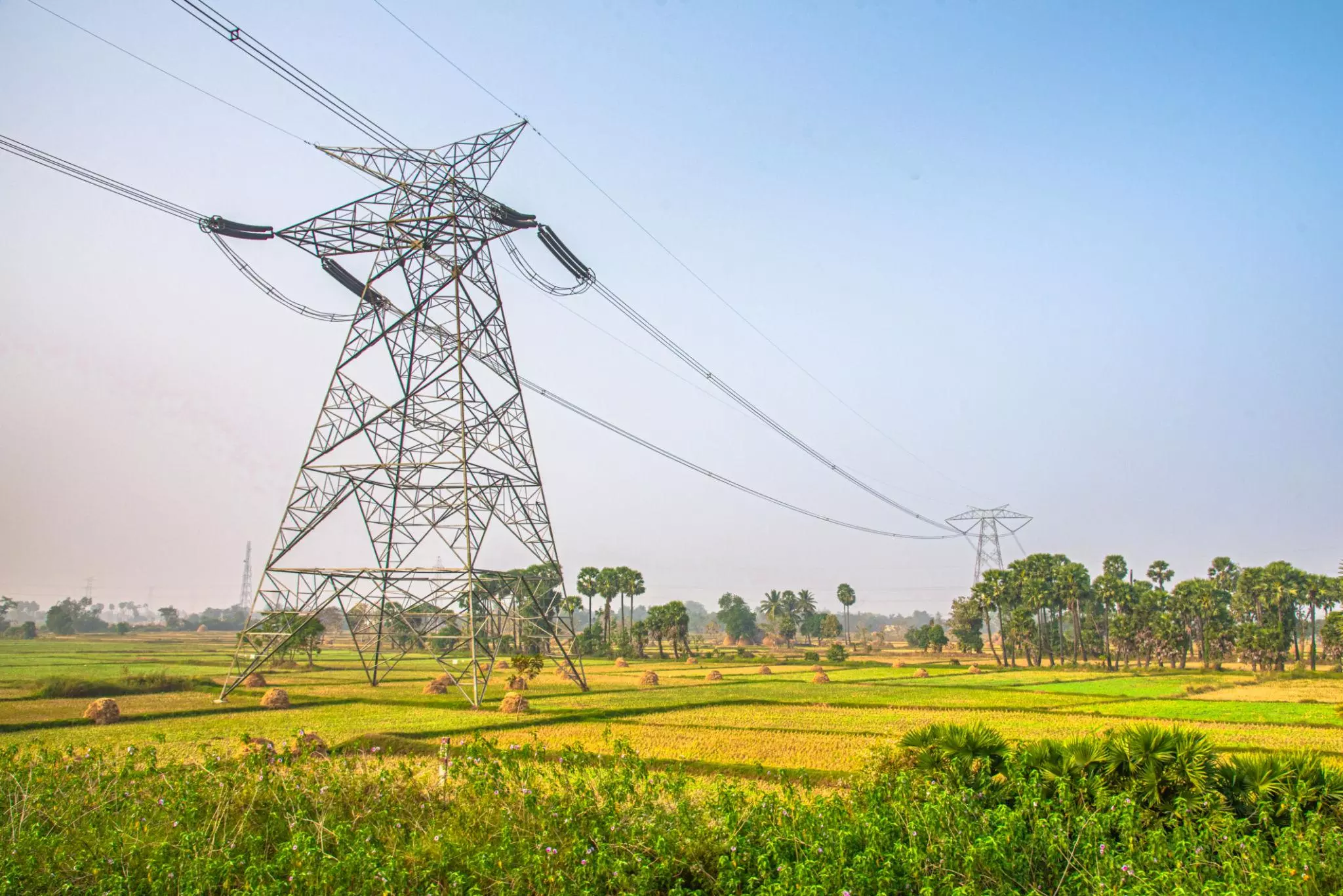
Hyderabad: The Telangana government’s move to create a separate distribution company (discom) for farmers, lift irrigation projects, and streamline the power sector is being emulated by BJP- and NDA-ruled states.
Andhra Pradesh, Haryana, and Maharashtra have announced agri-focused power distribution companies for farmers, mirroring Telangana’s Rythu Power Distribution Company Limited (TGRPDCL, Rythu Discom). These initiatives aim to ensure a reliable electricity supply amid heavy subsidies straining existing utilities, restructure financially burdened discoms by segregating massive farm subsidies, and follow Telangana’s blueprint that is set to absorb liabilities amounting to Rs 71,964 crore in arrears.
This debt transfer, designed to isolate agricultural power costs, includes government department dues of Rs 35,982 crore; power purchase liabilities of Rs 26,950 crore; and outstanding loans: Rs 9,032 crore.
Discoms have long staggered under the burden of subsidies, their operations affected by debts that divert resources from innovation and reliability. The creation of the Rythu Discom — conceived by Chief Minister A. Revanth Reddy — has helped streamline agricultural power supply, pave the way for sustainable energy, better targeting of subsidies, and enhanced financial discipline in distribution operations, said Musharraf Faruqui, chairman and managing director of the new entity.
The Rythu Discom has already received approval from the Union corporate affaris ministry and applied for a distribution licence from the Telangana Electricity Regulatory Commission. A public hearing is scheduled for May 28. Telangana’s TGRPDCL is expected to be fully operational from June 2, and will absorb Rs 35,982 crore in liabilities—including dues and loans from TGSPDCL and TGNPDCL—prioritising efficient farm power management.
A senior Telangana power sector officer, explaining the importance of segregation of services said: “Separating agricultural power subsidies into a dedicated discom prevents cross-subsidy burdens on industrial and domestic consumers, stabilises utility finances, and allows targeted efficiency improvements in rural supply chains without compromising overall grid viability.”
Haryana has proposed Haryana Agri Discom in its 2026-27 budget to manage all 5,084 agricultural feeders and serve 7.17 lakh farm consumers, enabling faster tubewell connections, transformer replacements, and uninterrupted supply. This would be the third discom, alongside Uttar Haryana Bijli Vitran Nigam and Dakshin Haryana Bijli Vitran Nigam.
Maharashtra is hiving off agricultural supply from the debt-laden Maharashtra State Electricity Distribution Company Limited (MSEDCL) into MSEB Solar Agro Power Limited (MSAPL) by March 2027, transferring arrears of around Rs 96,000 crore in farm dues to improve the parent company’s finances ahead of an IPO.
Neighbouring Andhra Pradesh is establishing Andhra Pradesh Rural Agriculture Power Supply Limited to manage over 26 lakh agricultural connections and streamline free electricity delivery to farmers.
These developments signal a clear reformative policy trend, with states increasingly adopting the Telangana model to boost operational efficiency, ensure transparent subsidy management, and strengthen the financial sustainability of power distribution utilities. All four states seek to segregate subsidised farm loads from commercial and domestic users, reducing cross-subsidies and enhancing rural power efficiency, much like Telangana’s Rythu Discom.
