Sleeper Buses Banned Abroad, Thrive In India

The design of sleeper buses — with enclosed bunks, narrow aisles and limited exits — makes evacuation nearly impossible during collisions or fires: Experts
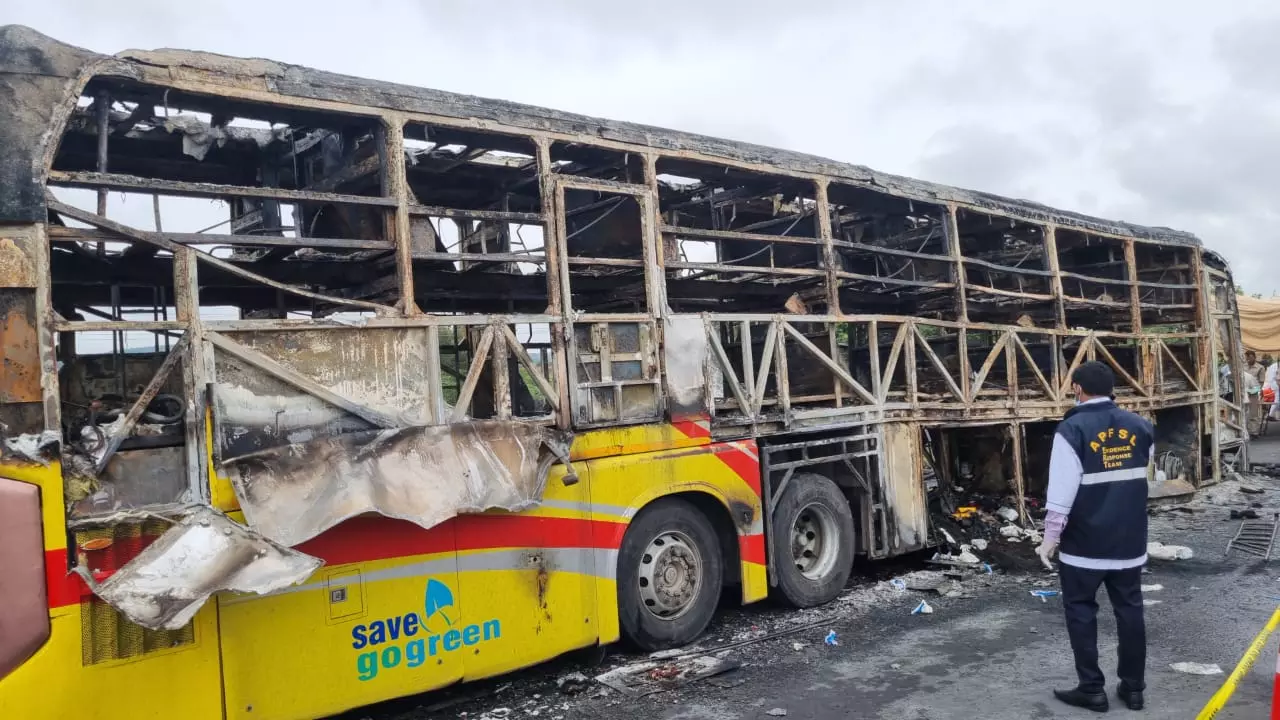
HYDERABAD: The bus fire in Kurnool that claimed 19 lives and injured 26 others has reignited concerns over the safety of sleeper-class buses in India — a mode of travel that several countries have long deemed unsafe. While nations such as China, Germany and Vietnam have either banned or heavily restricted sleeper buses citing safety and evacuation challenges, India continues to allow thousands of such vehicles to ply across state borders with minimal checks despite repeated tragedies.
In China, sleeper buses were phased out more than a decade ago, in 2012, after a string of deadly crashes and fires. In 2011, a bus carrying 46 people caught fire in Henan province, killing 41 passengers and leaving only five and the driver alive. Following the accident, China’s ministry of transport issued guidelines mandating that long-distance drivers rest between 2 am and 5 am.
A year later, a sleeper bus carrying 39 passengers collided with a methanol tanker in Shaanxi province, setting the vehicle ablaze and killing 36 people. Only three passengers survived with severe burns. In response, the Chinese government banned the manufacture and registration of new sleeper coaches in 2013, citing their instability and the difficulty of rescuing passengers during emergencies.
Germany also restricts the use of sleeper-style layouts on public roads. Rules introduced in 2006 require all passengers to be seated upright with seat belts fastened while the vehicle is in motion. Despite strong protests from transport operators, sleeper buses remain prohibited.
Vietnam, once known for its extensive overnight sleeper network, began curbing routes after data showed a disproportionately high number of fatal crashes involving such vehicles. Several Vietnamese cities, including Ho Chi Minh City, have now imposed local bans, especially on mountainous or highway routes.
Experts say the design of sleeper buses — with enclosed bunks, narrow aisles and limited exits — makes evacuation nearly impossible during collisions or fires. In many cases, passengers get trapped inside as the main door is often locked by the driver for security reasons while the bus is in motion.
