Six To 556: Mouse Deer Thrive At Hyderabad Zoo

Nehru Zoological Park has bred 556 mouse deer since 2010, releasing 226 into wildlife reserves and sending 74 to other zoos.
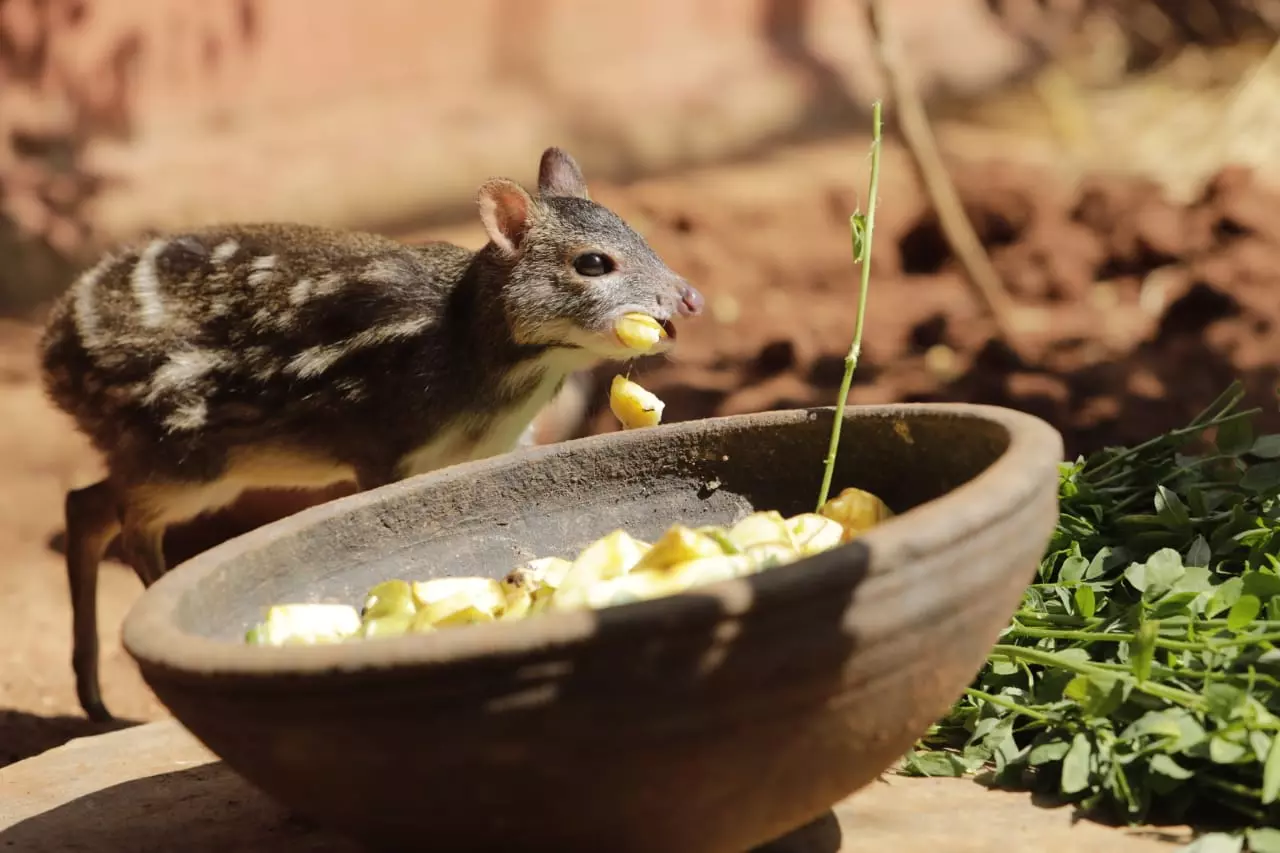
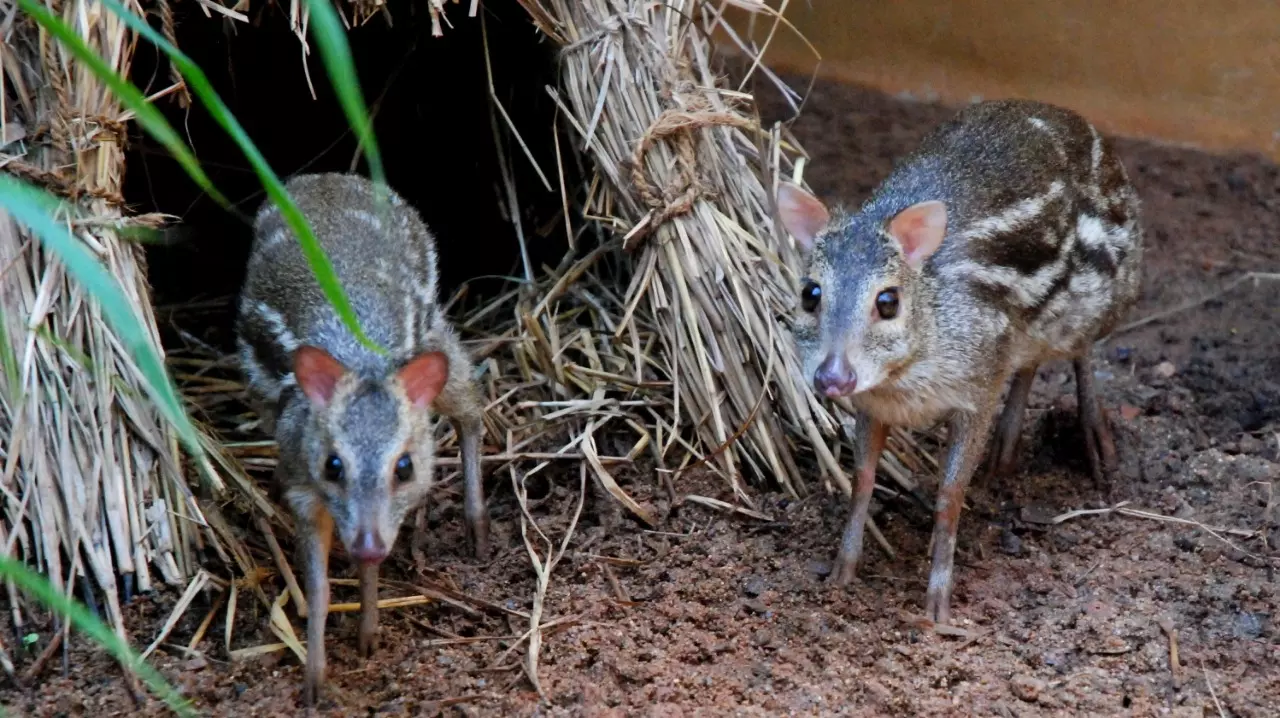
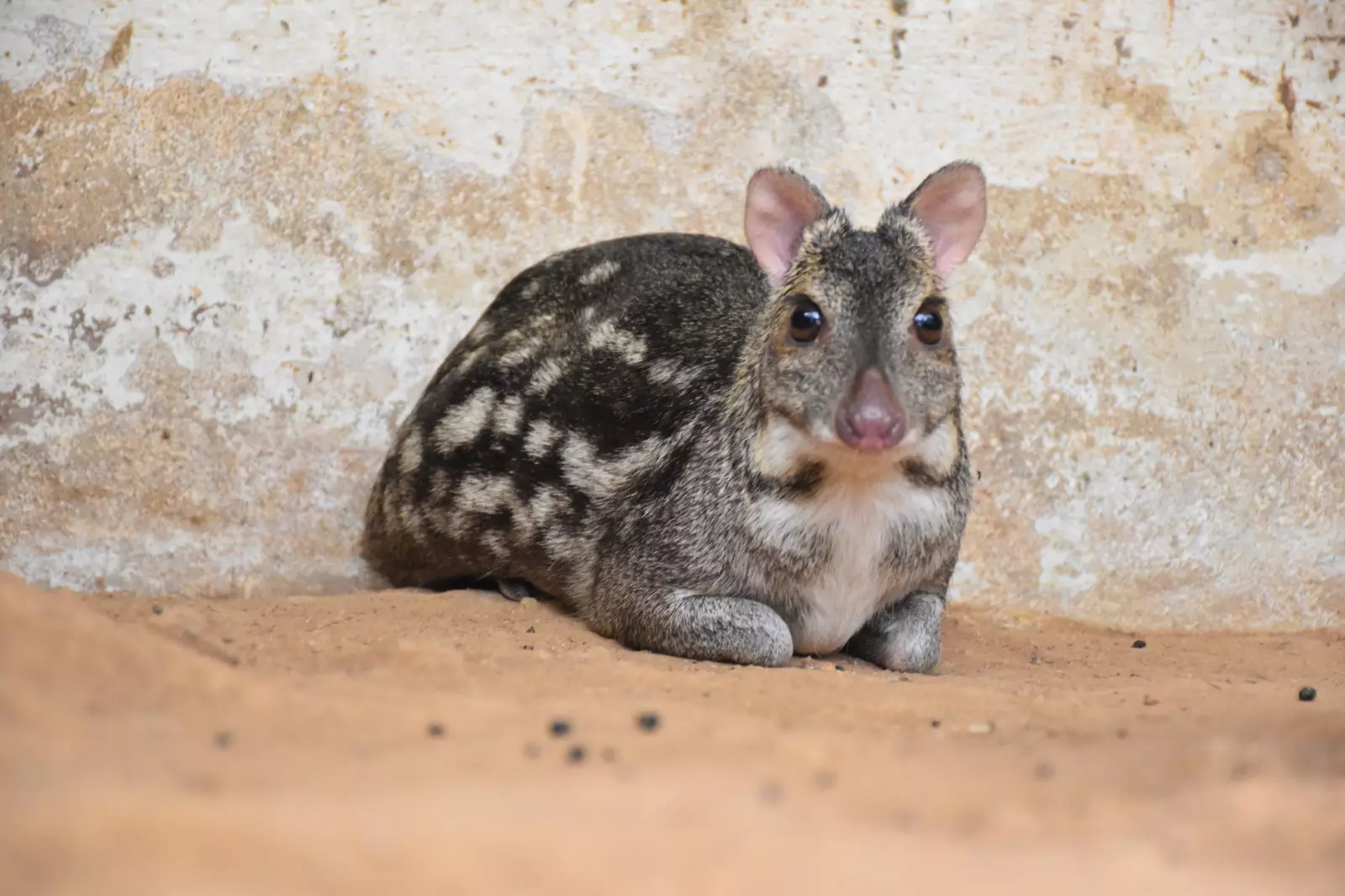
From a modest beginning with six animals, the Nehru Zoological Park has bred 556 mouse deer under its conservation programme. Of these, 226 have been released into the wild at Amrabad Tiger Reserve, Kinnerasani Wildlife Sanctuary, Mrugavani National Park, Pocharam Wildlife Sanctuary, Nirmal Division, Jannaram Division and Tejovanam Park, Siddipet.
Before release, the animals are vaccinated to prevent disease and checked at soft‑release facilities. Another 74 have been sent to other zoos under exchange programmes. The zoo currently houses 101 mouse deer, including 61 males and 40 females.
The project began in 2010 with two males and four females. With careful feeding and health management, the population grew steadily. Officials said the programme will continue with further releases at suitable sites and strengthening of captive populations. Wild‑born individuals have also been introduced into the breeding centre to maintain genetic diversity, supported by genetic profiling that confirmed all individuals are distinct.
The mouse deer, one of the earliest and smallest hoofed mammals, is often described as a living fossil, having remained largely unchanged for 20–30 million years. Habitat destruction and hunting had reduced its numbers, leading to its inclusion under Schedule I of the Wildlife Protection Act, 1972. It is among 73 endangered species identified by the Central Zoo Authority.
For its success in conservation breeding and reintroduction, the zoo received the SKOCH award, presented recently to curator J Vasantha.