Sircilla Farmers Shift to Oil Palm Cultivation

At present, oil palm is cultivated on 2,393 acres in Rajanna Sircilla district
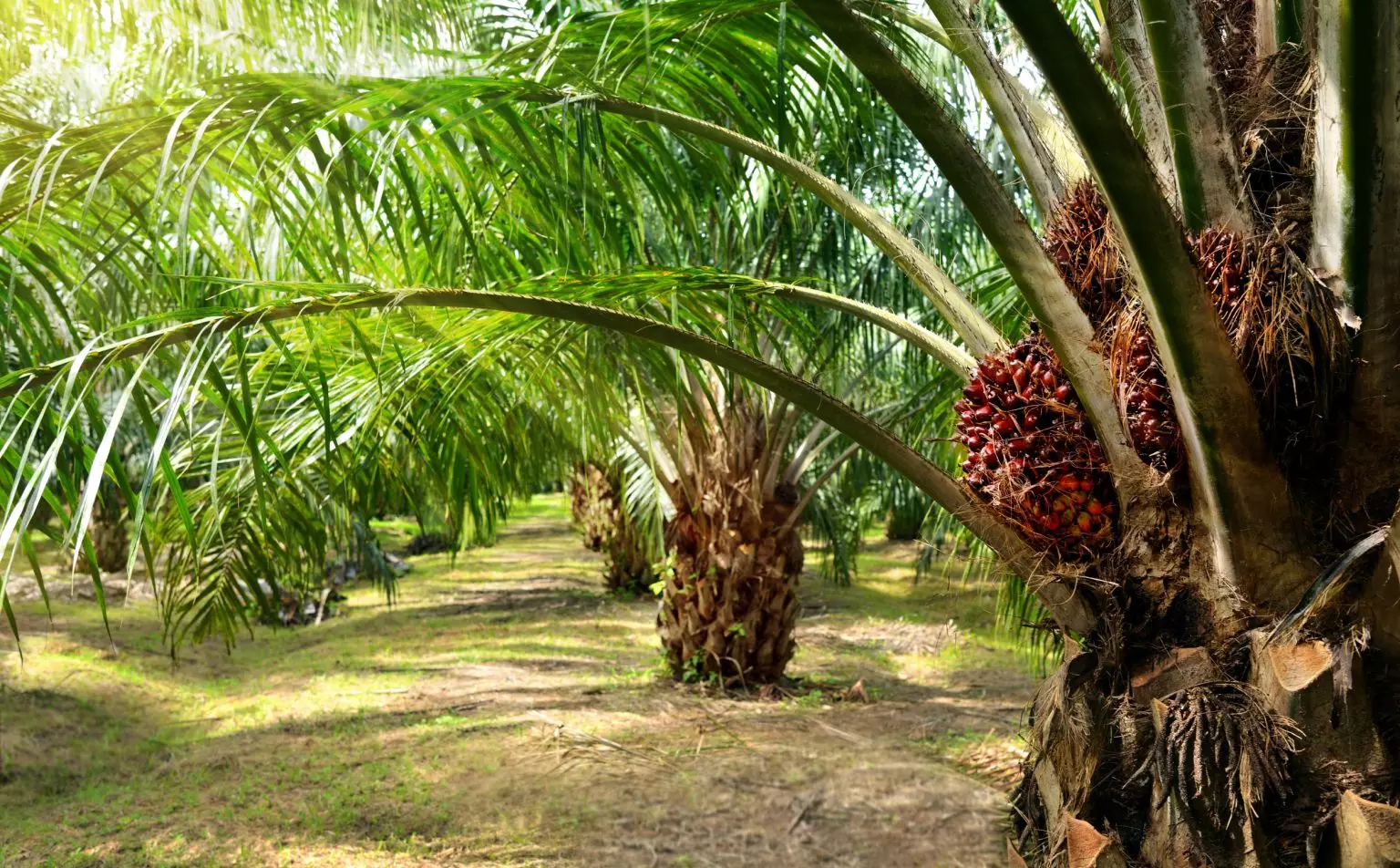
KARIMNAGAR: Oil palm cultivation is rapidly gaining popularity among farmers in Rajanna Sircilla district, driven by attractive government subsidies and the assurance of a steady income for up to 35 years. As a result, many farmers are gradually shifting away from traditional crops to oil palm, which is considered resilient to natural calamities and wildlife damage.
The transition aligns with India’s efforts to reduce its heavy dependence on palm oil imports from countries such as Malaysia and Indonesia. To boost domestic production, the government is extending substantial financial support to farmers.
Under the scheme, small farmers receive up to 90 per cent subsidy on oil palm plants, while farmers belonging to Scheduled Caste and Scheduled Tribe (SC/ST) communities are eligible for 100 per cent subsidy on drip irrigation equipment. While the market price of a single plant is around ₹213, farmers can procure it for as little as ₹20. In addition, the government provides subsidies amounting to approximately ₹52,000 per acre over a four-year period.
Unlike many conventional crops, oil palm is highly resilient and is less affected by heavy rains, hailstorms or cyclones. The crop is also largely safe from damage by monkeys and wild animals. During the first four years, farmers can cultivate vegetables, turmeric or flowering plants between the rows to earn additional income.
Harvesting begins from the fourth year, with yields initially ranging between five and seven tonnes per acre. Production increases steadily to around 15 tonnes per acre by the seventh year. A processing factory located at Narmetta in neighbouring Siddipet district ensures easy marketing, with companies collecting the produce directly from farms and crediting payments to farmers’ bank accounts within a week.
At present, oil palm is cultivated on 2,393 acres in Rajanna Sircilla district. For the 2025-26 season, 194 farmers have already registered to take up the crop on an additional 500 acres. Recently, 62 farmers harvested 130 tonnes of oil palm produce and received ₹19,700 per tonne.
District in-charge collector Garima Agarwal said oil palm cultivation offers long-term financial security to farmers. She said that by opting for oil palm instead of traditional crops, farmers could ensure a stable income for 35 years, provided they effectively utilise government subsidies and adopt proper management practices.
Lakavath Ramulu, a farmer from Veernapalli mandal, said he planted oil palm on his five acres following advice from agriculture officials. He noted that cultivation and maintenance were easier compared to other crops and that pest-related issues were minimal.
Another farmer, Tatla Lakshminarsaiah of Obulapur village, said he cultivated oil palm on four acres and followed recommended management practices. He harvested about 3,000 kg in three harvests and added that from the fourth year onwards, the crop has been providing him with regular monthly income.
