Shepherds’ Walk Inspires Documentary Film by Hyderabad Filmmaker

That idea of purpose formed the film from its opening thought. Ankit said one of the lines that stayed with him was: “The biggest tragedy in life is not death, but a lack of purpose.”
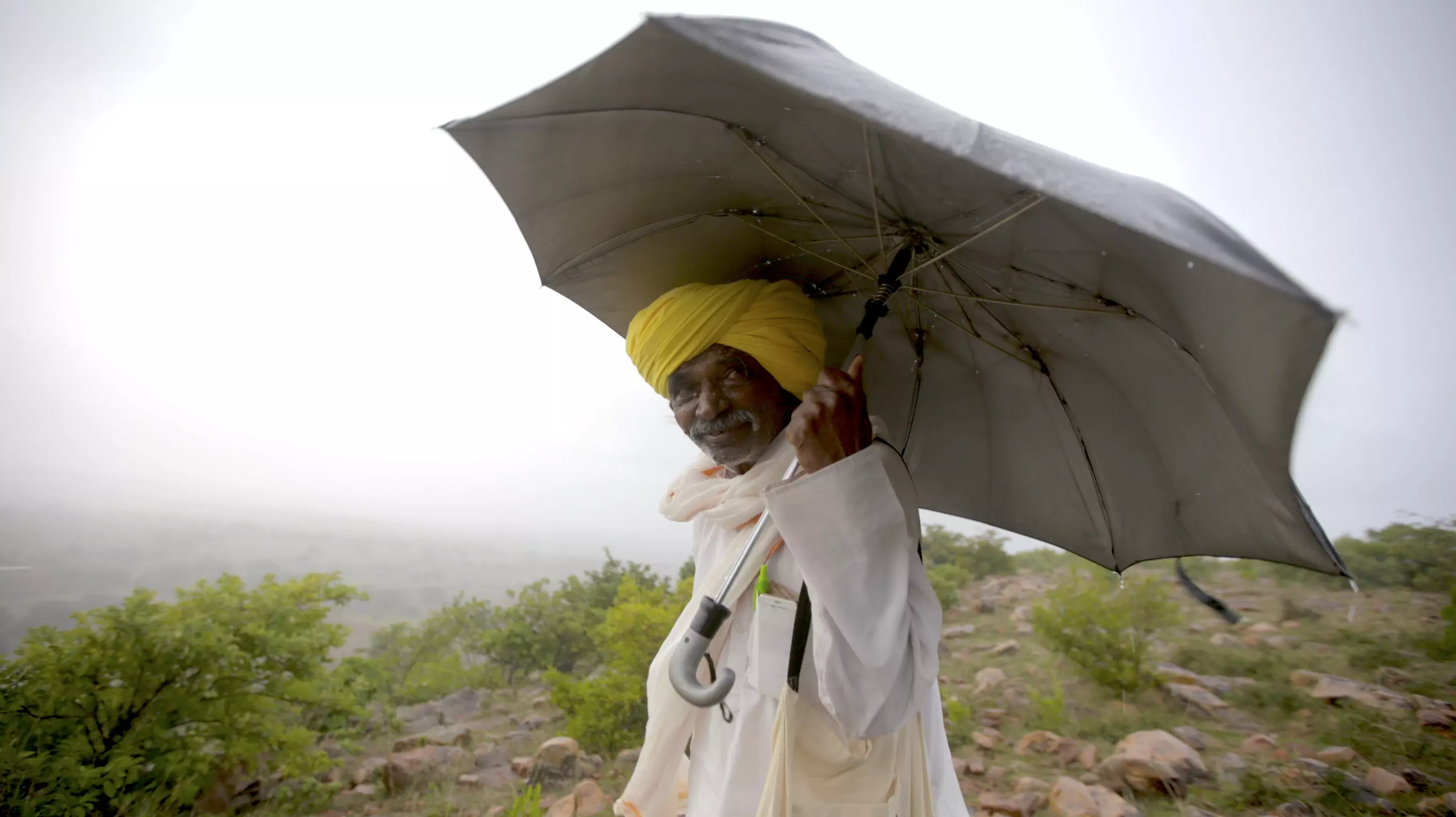
Hyderabad: A flock of 800 sheep can camp for one night on a farmer’s field and leave behind manure rich enough to serve the land for almost a year, according to Ankit Pogula. That ordinary night on the move became the entry point for Bheḍ Chāl, his documentary on Kuruba shepherds in northern Karnataka. The Hyderabad‑rooted filmmaker made the film across years of visits, Covid-19 interruptions and money trouble. The film later received an award in Argentina and travelled to screenings in India and abroad, but Ankit stayed with the walk because he saw purpose inside it.
“For me, dharma here means purpose. The purpose of water is to flow, the purpose of sheep is to graze, and the shepherd’s role is to walk alongside and facilitate the relationship between humans and nature,” said Ankit.
That idea of purpose formed the film from its opening thought. Ankit said one of the lines that stayed with him was: “The biggest tragedy in life is not death, but a lack of purpose.” To him, the shepherds were not walking out of habit alone but their movement linked the sheep, the land, the farmer and the wild in a working relationship that modern life often fails to see.
Ankit’s parents live in Hyderabad, and he says his roots are here apart from him being Telugu. His work has over the years been mainly about education, environmental and social transformation. This film began after Harsh Satya, who wrote and researched it, met Neelkanth Mama, one of its main characters. Pogula began visiting the shepherds in 2017, started shooting in 2018, and completed filming around 2021.
The Kuruba shepherds he followed are semi‑nomadic families from around Belagavi. About eight to ten families leave in June and return around January or February. They take 800 to 1,000 native Deccani black sheep across long stretches, sometimes around 400 km, because the sheep cannot withstand heavy rain.
“What interested me was this entire walk,” Ankit said. “Daytime they walk through the forest, and at nighttime they camp at a farm. Then they move to another farm, and like this they go all the way up to the Deccan plateau.”
He said the film made him look more closely at systems of community security that still exist outside cash‑based transactions. If a shepherd loses his flock, other families give one sheep each so the person can rebuild the herd. He described this as a form of community insurance.
“There are still relationship‑based economies where everything is not a one‑time cash transaction,” he said. “If people’s relationship with nature is part of their culture, it becomes lived practice, not something imposed from outside.”
The film arrives at a time when 2026 is being observed as the United Nations International Year of Rangelands and Pastoralism, a global focus on grazing lands and pastoral communities. This context has helped the film enter conversations about land, farming, animals, open commons and the future of communities that still move with their herds. “Most people look at sheep as traffic jams. When you are on a highway and sheep come on the road, you want them to get off the road. Here, we walk with the sheep,” he said.
The most interesting part of his documentary, Ankit said, is that he did not want experts to explain the shepherds to the viewer — they were their own voices. The film received an award in Argentina, screened in Germany, and entered festivals in Africa and Europe.