Severe Urea Shortage Hits Telangana Farmers Amid Rising Demand

Paddy crop at risk as fertiliser supply falls short of demand
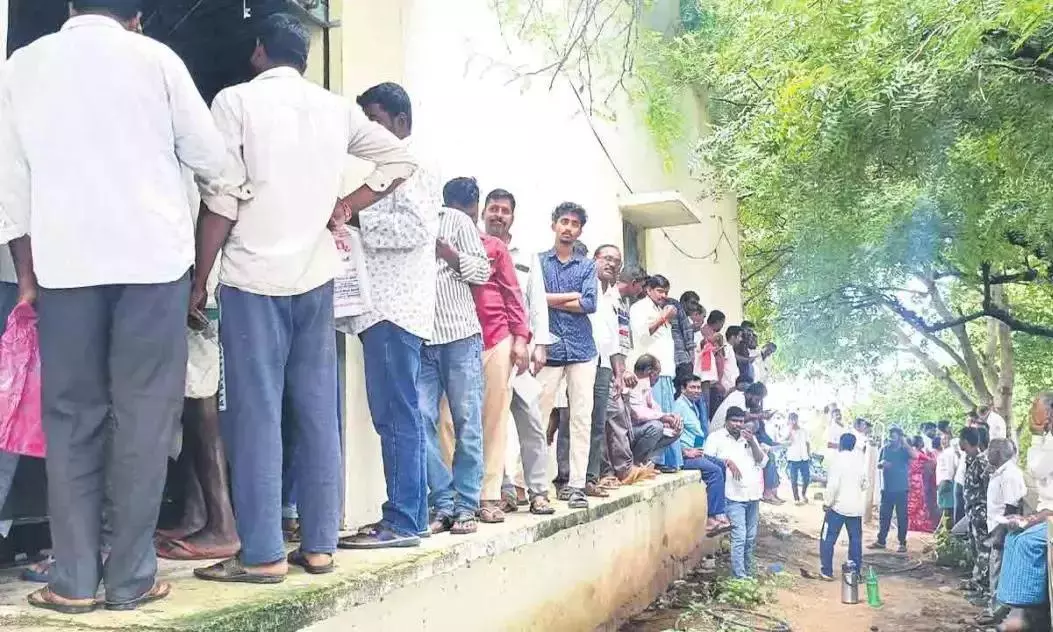
Hyderabad: A severe shortage of urea, a critical fertiliser for crops, especially paddy, has created a crisis for lakhs of farmers during the Kharif season. With paddy cultivation at an all-time high, Telangana’s need for consistent urea availability has never been greater.
Urea imports, allocation, and interstate movement are centrally managed, so disruptions in these processes directly impact farmers. For this Kharif season, Telangana was allotted 8.3 lakh metric tonnes (LMT) of urea till August, but received only about 5.66 LMT by mid-August, resulting in a 2.64-LMT shortfall during a critical crop growth phase, as on Sunday, according to agriculture minister Tummala Nageswara Rao.
An increase in sowing area, particularly of paddy — which covers 54.8 lakh acres out of the state’s 1.32 crore-acre cropped area — raised urea requirement to 10.48 LMT. The urea stock remained at 7.04 LMT by August.
Different factors have contributed to the shortage, including logistical challenges and production setbacks. Some political voices have pointed to disruption in imports amid diplomatic tensions following Operation Sindoor and operational difficulties like those at the Ramagundam Fertilisers and Chemicals Limited (RFCL) plant.
Agriculture expert and All-India Kisan Sabha vice president Sarampalli Mallareddy blamed the absence of a comprehensive state agriculture action plan since BRS rule in 2021-22 for the problem, and highlighted efforts to promote bio-fertilisers under schemes like PM Pramaan. Concerns have been also raised about the suitability of alternatives such as Nano Urea, which contains significantly less nitrogen than conventional urea.
Farmers have been lining up overnight at distribution centres, often receiving minimal quantities that are insufficient for their crop. Some districts, including Nalgonda, have received less than two-thirds of their quotas. Initial stocking by some farmers has also intensified scarcity.
Ramesh, a retired agriculture officer, said that paddy is highly dependent on urea during its growth stages. While crops like maize, cotton, and pulses require less urea, timely fertiliser application remains critical to their productivity.
Marginal and tenant farmers, especially those with smaller landholdings, face heightened challenges as rationing and documentation requirements limit access, sometimes forcing costly black-market purchases or missed fertilisation windows.
The ongoing shortage has sparked widespread protests across districts, underlining the urgent need for resolution. Without timely intervention, the crisis threatens lower paddy yields, increased rural distress, and long-term implications for Telangana’s food security.
