Scientists Reject Ramagundam Quake Alert

Experts call earthquake forecast in Telangana fake; say no tech exists to predict quakes.
Hyderabad: Seismologists have called as completely baseless and scientifically unfounded, a social media post predicting a “significant earthquake” in southern India, particularly near Ramagundam in Telangana. The scientists urged the public not to fall for misinformation.
The post, shared by a page on X (formerly Twitter), claims that an earthquake of magnitude 5 could strike between April 10 and April 17 near Ramagundam. It suggested that tremors could extend to Hyderabad, Warangal, Amaravati, and even parts of Andhra Pradesh and Maharashtra.
At the time of writing, the tweet had garnered over 24,000 views and was being widely reshared despite lacking any endorsement from official scientific agencies.
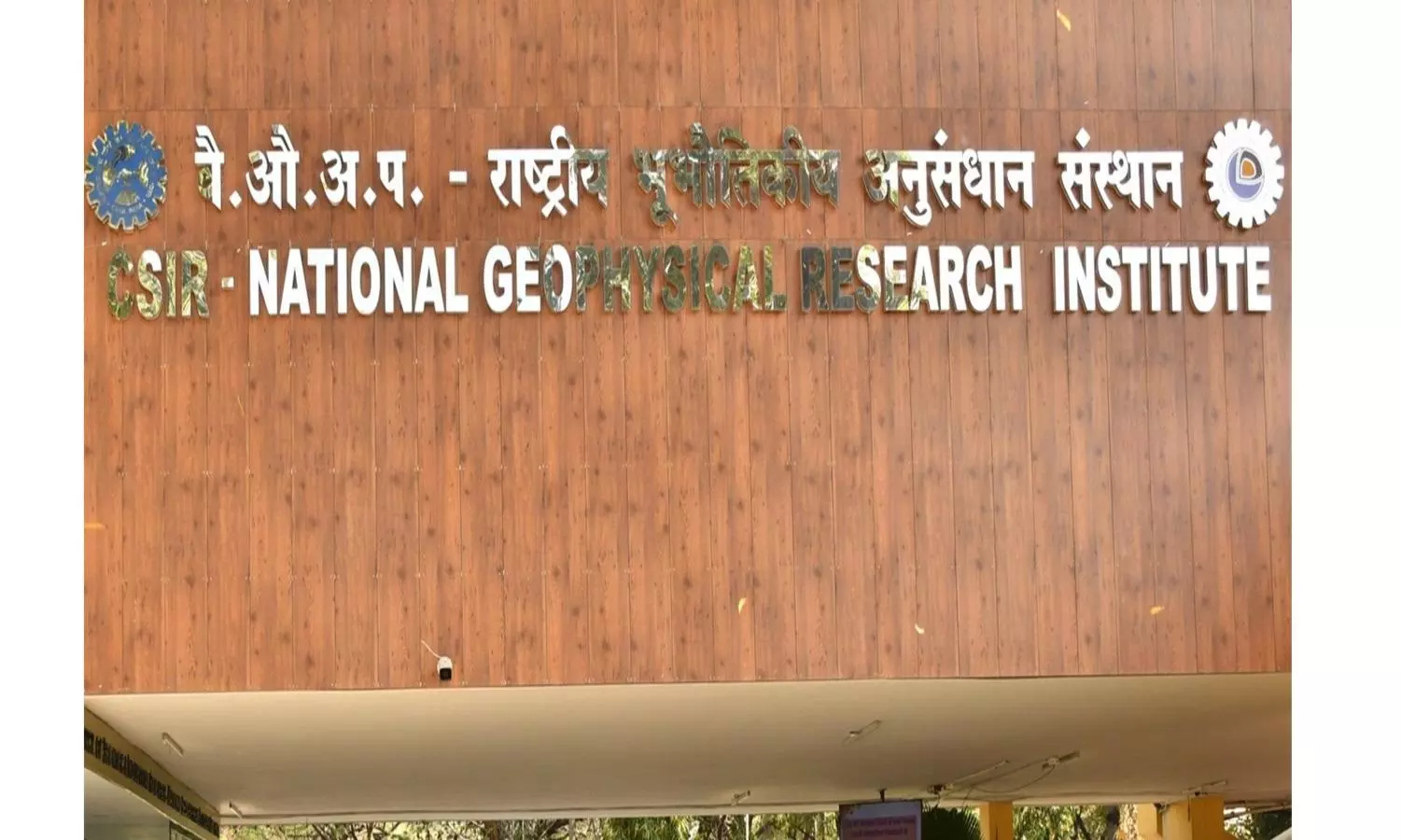
Scientists from the National Geophysical Research Institute (NGRI), Hyderabad, outright dismissed the post. “There is absolutely no scientific method available today that can predict the timing, location or magnitude of an earthquake in advance,” said a scientist of Paleo-Seismology at CSIR-NGRI.
“This prediction is not just inaccurate but unscientific and irresponsible. People must stop spreading panic based on posts from unrecognised sources.”
Dr N. Purnachandra Rao, former chief seismologist at NGRI, said that Telangana remains one of the seismically safest zones in the country. “This region is not near any active tectonic boundary. The seismic activity here is typically very low. Even if an earthquake were to occur in Ramagundam, its effects would be too minor to be felt in Hyderabad or other distant areas over 200 km away,” he explained.
Dr Rao warned against drawing speculative conclusions from fault lines, adding that while fault zones may exist, they cannot be used as a basis to forecast earthquakes.
Though Telangana and parts of Andhra Pradesh have experienced occasional minor tremors in the past, none have caused major damage. A 5.1 magnitude quake was recorded in Ongole in 1969, while Adilabad experienced a 4.5 magnitude tremor in 1998. Hyderabad itself reported minor quakes in 1984, 1999 and 2013 — but all were low in intensity and passed without incident. These events, scientists say, are not unusual for a country as large and geologically varied as India, but they do not signal a high-risk future for the region.
Experts are now appealing to citizens to stay calm and not give in to fear-mongering, especially when shared by unverified sources. “Don’t believe or circulate such predictions. Earthquake forecasting is not possible — and spreading such posts only adds to public panic unnecessarily,” the scientist said.
Authorities and scientific organisations like NGRI and IMD (India Meteorological Department) are the only reliable sources when it comes to seismic information, they added.
