Science, Diplomacy and Dialogue at IIT Hyderabad

At the GYA meet, global researchers push for policy impact, diplomacy, and collaboration
Hyderabad: How should science respond to real-world problems? What does meaningful collaboration between countries actually look like? And how can researchers move beyond publishing papers to shaping policies? These were some of the questions being openly discussed by young scientists from across the world on Day 2 of the Global Young Academy (GYA) meet at IIT Hyderabad.
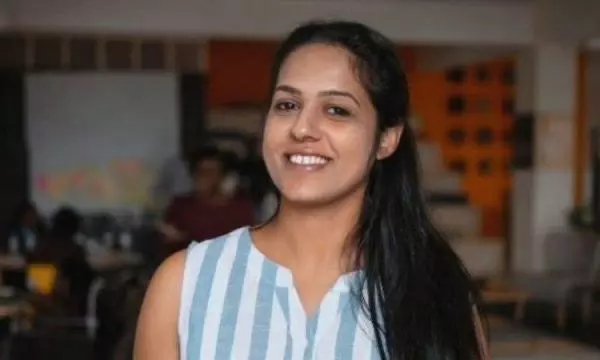
“I don’t think it’s enough to do research in isolation anymore,” said Devia Lobine, a 36-year-old biotechnologist and government scientist from Mauritius. “We’re trying to build science diplomacy between Mauritius and India - our national committee should soon include Indian policy-makers now. It’s about co-creating approaches to climate, sustainability, and research training.”
Devia, who has been with GYA for five years, believes such conversations matter more than ever. “We’re talking about investing in start-up ecosystems between our countries. And it’s not just about technology, it’s also about cultural exchange and how we work together as people.”
From Argentina, Luciana Valvoa, an immunologist focused on infectious diseases, spoke about her ongoing collaboration with a research team in New Delhi. “We’re trying to understand how TB-causing bacteria manipulate host metabolism to survive inside the human body,” she said. “But I’m also involved in science diplomacy efforts across the Americas, what I see here is that no matter the country, researchers are facing similar barriers in how science is assessed and applied.”
Marcus Pruesch, an Austrian historian of science who advises the European Parliament, pointed to a much wider issue. “We produce more research than ever before, but how much of it actually reaches policy-makers or the public?” he asked. “Whether it’s climate, health, or education, the question is how to make scientific knowledge usable and visible to the people who need it most.”
All three agreed that post-pandemic, there’s been a renewed urgency to rethink the relationship between science and society, and that platforms like this help shift the conversation from competition to cooperation. “This isn’t just about showcasing work, it about listening, learning, and leaving with something you didn’t have before,” Devia said.
