SC Verdict in Pratyusha Case Reaffirms Truth Over Public Pressure

Public opinion in high-profile cases does influence the line of investigation
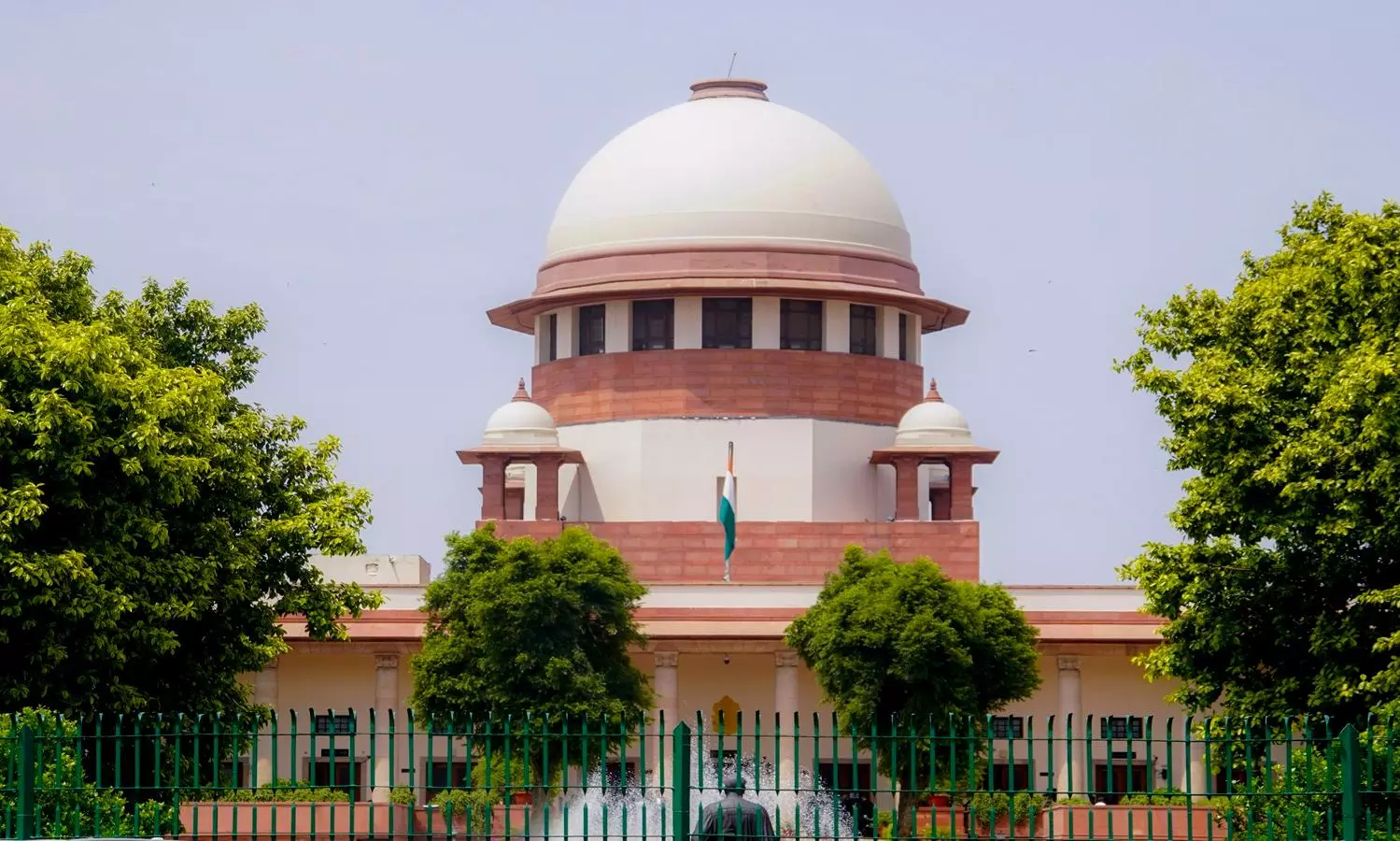
HYDERABAD: Some cases change the system others reveal it. On February 17, a long-fought battle came to an end when the Supreme Court pronounced its verdict on the “suspicious death” case of Telugu–Tamil actress Pratyusha. The case had witnessed several narrative shifts over 24 years. While the initial investigation suggested abetment of suicide, forensic experts later claimed it was rape and murder, triggering public outrage and a CBI probe. Ultimately, it was revealed to be suicide a conclusion the Supreme Court upheld.
What the court highlighted next remains a constant public outrage, pressure and premature opinion should not dictate an investigation.
“The court emphasises that justice is not served by following majority sentiment or public pressure. Justice is served by truth, established through evidence and impartial investigation. While public outrage is understandable in high-profile cases, it should never dictate the course of inquiry. Investigations require careful collection of evidence, impartial analysis and conclusions grounded in fact. A society committed to fairness must recognise that investigators and courts serve the truth, not popularity. Their independence is not a luxury but the foundation of justice itself,” the court noted.
Against this backdrop, legal and policing experts have raised concerns over how premature medical opinions and public pressure can alter the course of investigations. Pratyusha’s case is not an isolated one.
In 2005, film actor Nandamuri Balakrishna was acquitted of charges of shooting at two associates, allegedly due to insufficient forensic evidence. Investigators had not collected samples from his hands for gunshot residue.
Advocate Rupesh Mittal stressed that investigating officers are expected to refrain from disclosing details of a crime until the chargesheet is filed.
“As per the police manuals, the IO should not disclose anything till the time the chargesheet is submitted. Until then, the matter is under investigation and if they reveal anything, that can change the circumstances,” he said.
He further emphasised the importance of post-mortem reports and how premature opinions given to the media can skew a case.
“Post-mortem reports are corroborative evidence and act as crucial evidence for understanding what caused the death. Hence, all the documentation protocols should be followed.”
Mittal also pointed out that forensic experts are restricted from speaking publicly during ongoing investigations and must document findings properly.
“Forensic experts should not comment on the ongoing investigation as they are a witness. Most forensic experts here also write reports vaguely, hampering the justice system,” he said.
Senior IPS officer Amit Garg acknowledged that public opinion in high-profile cases does influence investigations.
“Public opinion in high-profile cases does influence the line of investigation. The key is to analyse multiple angles before concluding the case.”
He cautioned against haste in media briefings.“If it is not conclusively proved, we need not go to the public to satisfy narratives. Haste is always wrong, as it makes the damage bigger.”
Garg underscored the importance of proper collection and protection of evidence. “The main job of an investigator ends after the chargesheet is filed and the evidence is submitted at the court safely. Any negligence until then can prove to be dangerous.”
