Domicile Rule Biased Against Those Left State for Work, Says SC

Earlier, the Telangana High Court held that the state's permanent residents cannot be denied benefits of admissions in the medical colleges only because they lived outside the state for sometime
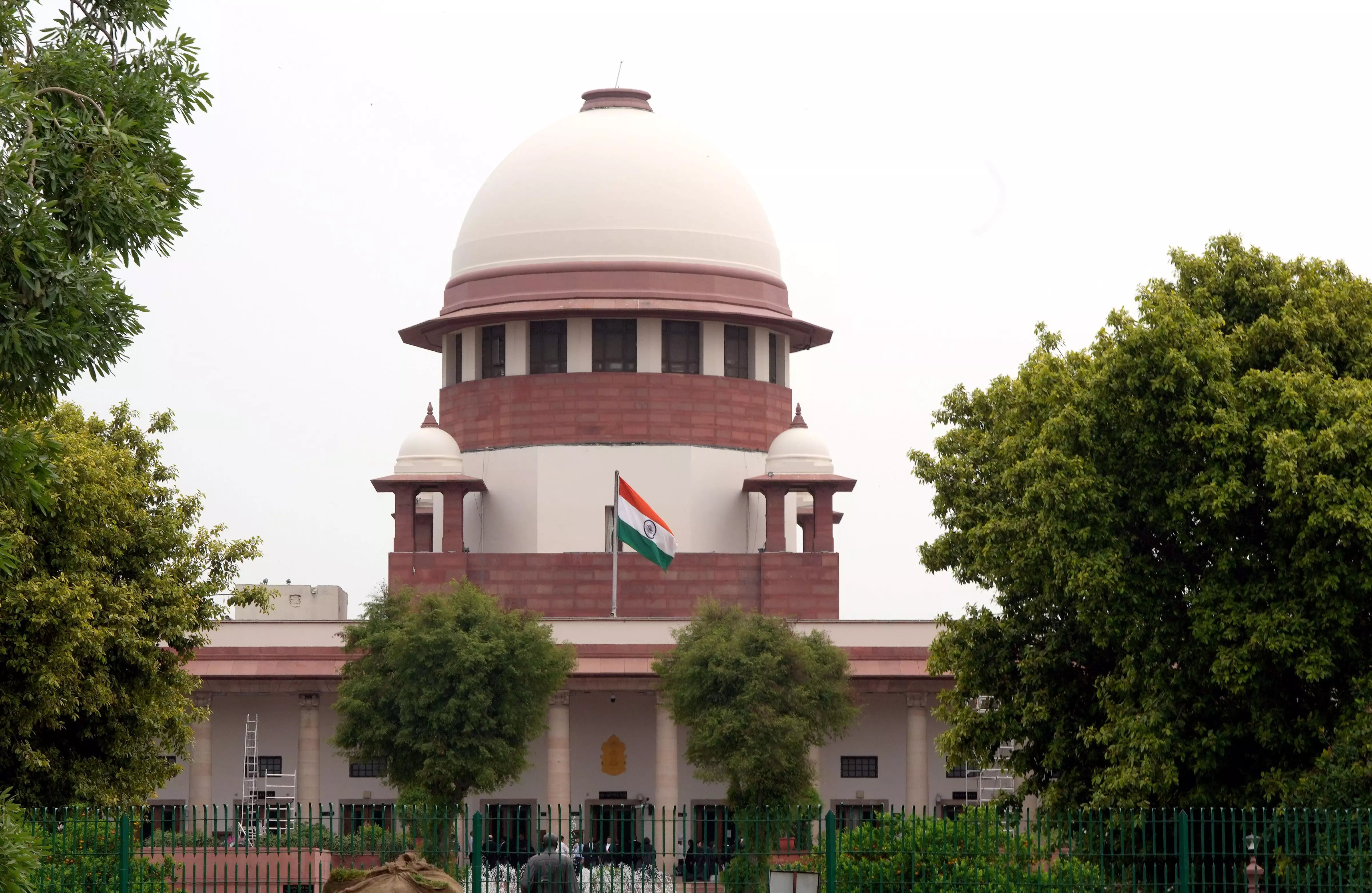
New Delhi: The Supreme Court on Tuesday reserved its verdict on a batch of petitions, including one by the Telangana government, challenging a High Court order that struck down the state’s new domicile rule for medical college admissions.
In 2024, Telangana updated its 2017 rules to say that only students who studied in the state for four consecutive years up to Class 12 would be eligible for state quota seats in MBBS and BDS courses.
But the Telangana High Court ruled against this, saying the rule was unfair to permanent residents who may have temporarily studied outside the state for valid reasons, like children of government employees or those who went out for coaching.
Senior advocate Abhishek Manu Singhvi, representing Telangana, defended the rule, arguing that clear residency criteria are necessary for policy implementation and that only the state — not the courts — can define who counts as a permanent resident.
However, the Supreme Court bench led by Chief Justice B.R. Gavai and Justice K. Vinod Chandran raised concerns.
The CJI referred to the practical consequences of the rule, illustrating if "a Telangana judge is transferred to Bihar and his son studies in classes 9, 10, 11 and 12 in Bihar then the boy is disentitled from getting admissions in his home state".
“Take a student born and raised in Telangana but moves away for just classes 10 and 11 and to Kota for coaching. Or an IAS officer from Telangana posted in Delhi, whose child studies outside the state for two years. Should such children be disqualified,” the CJI asked.
Justice Chandran weighed in, “If a person remains idle in Telangana for four years, they qualify. But someone who leaves to study doesn't. Isn't that an anomaly?"
The court also noted that the High Court had earlier allowed 135 students, who had challenged the rule, to be admitted in 2024 as a one-time relief. Telangana opposed this, saying it goes against its powers to set admission rules and would delay the admission process due to new documentation and verification requirements.
While Singhvi maintained that domicile rules are based on sound public policy, opposing lawyers argued that the rule excluded genuinely eligible students due to technicalities. They said students living near state borders or those with minor paperwork issues were being left out.
The Bench asked if all students were expected to understand constitutional provisions like Article 371(D) at a young age and questioned the practicality of expecting awareness of these rules.
The court appeared open to prospectively applying the new domicile rule from 2028, rather than penalising students who made educational choices before the rule was framed. The bench reserved its judgment and allowed written submissions to be filed until Friday afternoon.
