Rohith Vemula Bill Fails to Take Off in Telangana

Yet, Telangana sees no action on the proposed Rohith Vemula Telangana (Prevention of Identity-Based Discrimination in Higher Education) Bill, 2026.
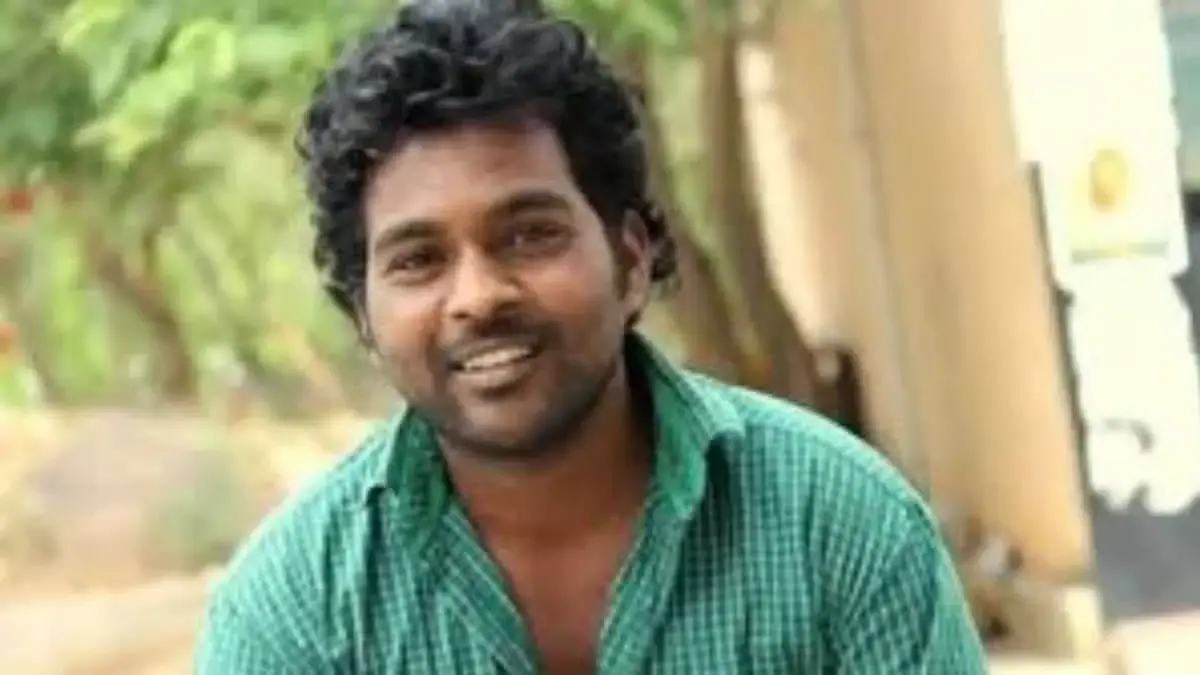
Hyderabad: The death by suicide of IIT Bombay student Sahil Wakode on September 18 has brought back the issue of campus discrimination into focus again. Yet, Telangana sees no action on the proposed Rohith Vemula Telangana (Prevention of Identity-Based Discrimination in Higher Education) Bill, 2026.
The Rohith Bill is still with a Cabinet sub-committee, which sought public feedback on it, even though the monsoon session ended on September 18, while Karnataka’s Cabinet cleared its version on April 16.
“Campus discrimination can happen at a micro level, and this kind of discrimination needs to be investigated,” said Daya, president of the Ambedkar Students’ Association (ASA) at the University of Hyderabad. He said physical abuse or an explicit slur did not cover the full range of unequal treatment students could face and sought consultation with the ASA before the state finalised the draft.
The Cabinet constituted a ministerial sub-committee on April 17 under deputy chief minister Mallu Bhatti Vikramarka. At its first reported meeting on July 16, Bhatti asked officials to prepare a report before the draft was finalised for introduction in the Assembly.
Supreme Court advocate Disha Wadekar participated in the meeting as a legal expert. She has also represented Radhika Vemula and Abeda Salim Tadvi in matters concerning caste discrimination in higher education.
“The UGC regulations are mandatory; they are not advisory. But they are regulations, whereas an Act has legislative force,” Wadekar said. She argued that statutory backing could strengthen compliance when university bodies failed to act under existing regulations.
Telangana’s working title uses the broader term “identity-based discrimination”, but the government has not publicly specified the protected categories or the proposed complaint mechanism.
Karnataka’s Bill has faced criticism over its reported focus on SC and ST students. Dr Gowd Kiran Kumar, national president of the All India OBC Students Association and a UoH PhD scholar, said the association had asked Karnataka to extend protection to OBC students and wanted Telangana to include them in its legislation.
“They have not consulted us. We have been asking them to include OBCs also,” he said.
Dr B. Karthik Navayan, a Telangana High Court advocate and human-rights activist, had argued in written feedback to the Campaign for Rohith Act in October 2025 that an Equity Committee within an institution would lack structural independence. He proposed district-level anti-discrimination committees outside campuses, fixed inquiry timelines and penalties for institutions obstructing complaints.
“Without structural independence in inquiry, Rohith Vemula’s legacy will fail. It becomes another paper tiger,” he wrote.
The demand for a Rohith Act dates to protests following Rohith Vemula’s death at UoH in January 2016. The Congress subsequently adopted the proposal in its national policy. Its 2024 Lok Sabha manifesto promised a Rohith Vemula Act to address discrimination against students from “backward and oppressed communities”. The Leader of Opposition in the Lok Sabha Rahul Gandhi wrote to Chief Minister A. Revanth Reddy on April 17, 2025, asking Telangana to enact such a law.
“Discrimination at the institutional level is often covert and indirect. It may not always take the form of someone using casteist terms or slurs,” Wadekar said.
She sought student, caste and gender representation, along with outside experts, on complaint bodies and stronger safeguards against retaliation. She also called for measures to address prejudice before complaints arose.
“Students and professors enter these spaces with biases. We do nothing to debunk the myths around reservation or explain why reservations are needed,” she said. Citing her experience at Columbia University, Wadekar said mandatory orientation there addressed race, gender, migration and harassment before students began academic courses.
The Human Rights Forum (HRF) also sought regular sensitisation in educational institutions.
“We support the Bill, but legislation alone will not remove discrimination or prejudice. There has to be regular sensitisation and education across campuses and educational institutions,” said S. Jeevan Kumar, a member of the Andhra Pradesh and Telangana Coordination Committee of Human Rights Forum.
Kumar said the state could issue interim anti-discrimination guidelines while the Bill remained pending. APPSC-IIT Bombay had made a similar demand several years ago following an earlier Dalit student suicide, saying, “We don’t need an Institute of Eminence like IIT; what we need is an ‘Institute of Empathy’.”