Rebuilding Of Two Ancient Pulichintala-Hit Temples Begins In Suryapet After 20-Year Wait

The Archaeological Survey of India (ASI), Hyderabad circle, has taken up reconstruction of Sri Chennakesawa Swamy and Sri Shiva temples.
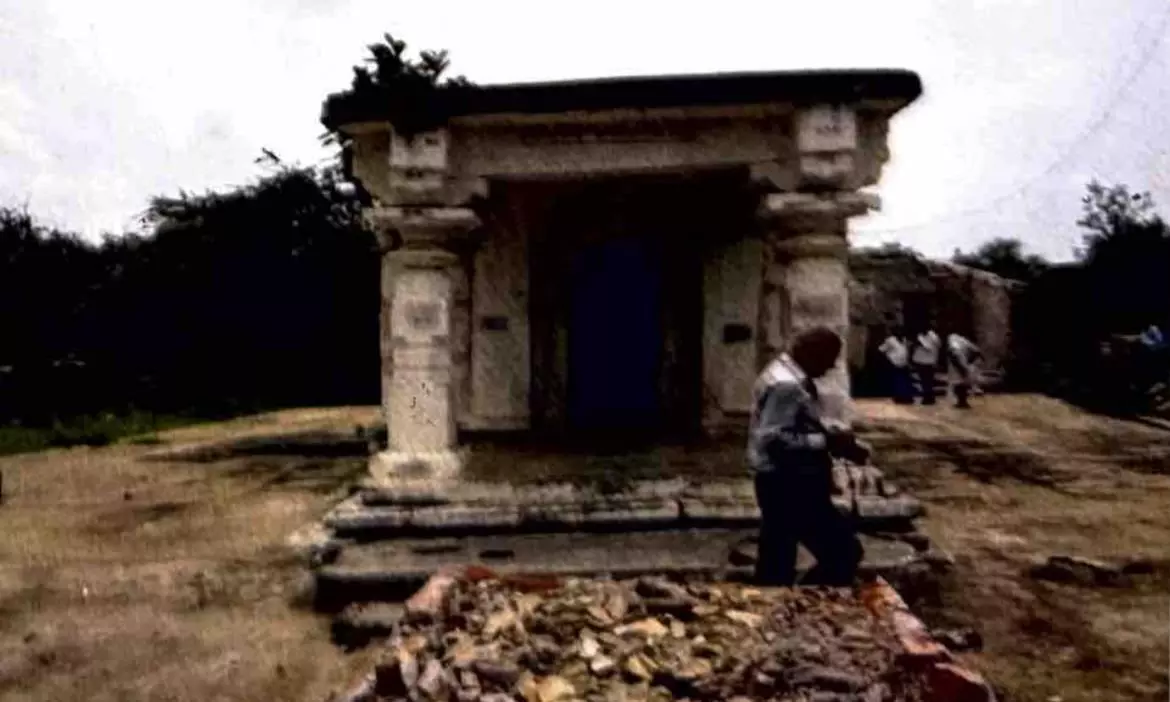
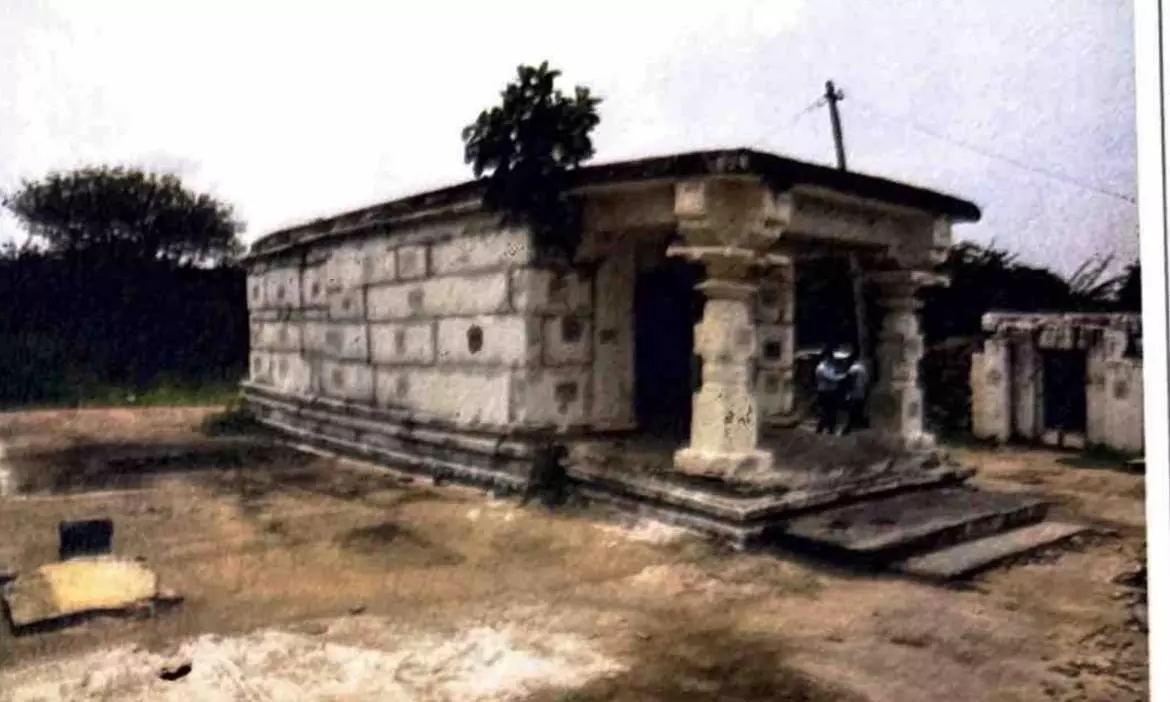
Hyderabad: After a gap of more than two decades, work on rebuilding two ancient temples in Vellatur, Suryapet district that were affected by the Pulichintala project have finally commenced and were expected to be completed by March 2027.
The Archaeological Survey of India (ASI), Hyderabad circle, has taken up reconstruction of Sri Chennakesawa Swamy and Sri Shiva temples. They had been earlier identified for translocation to a rehabilitation and resettlement centre when the Pulichintala project on the Krishna River commenced in 2004-05.
In 2004, the then undivided Andhra Pradesh government had asked the ASI to conduct preliminary explorations to identify antiquities and structures in villages that are expected to get impacted due to the project.
Three temples — the two at Vellutur and the Sri Shiva Temple of Gundlapally– that date back to 12th to 15th century had been identified for translocation. While reconstruction of Sri Shiva Temple completed in 2021-22, works on two temples remained pending.
Speaking to Deccan Chronicle, ASI-Hyderabad superintending archaeologist, Dr Nikhil Das said works on two temples remained pending due to administrative challenges. “We retrieved all the records, prepared new estimates and obtained the letter of credit (LOC) from the ASI headquarters to begin the work,” he said.
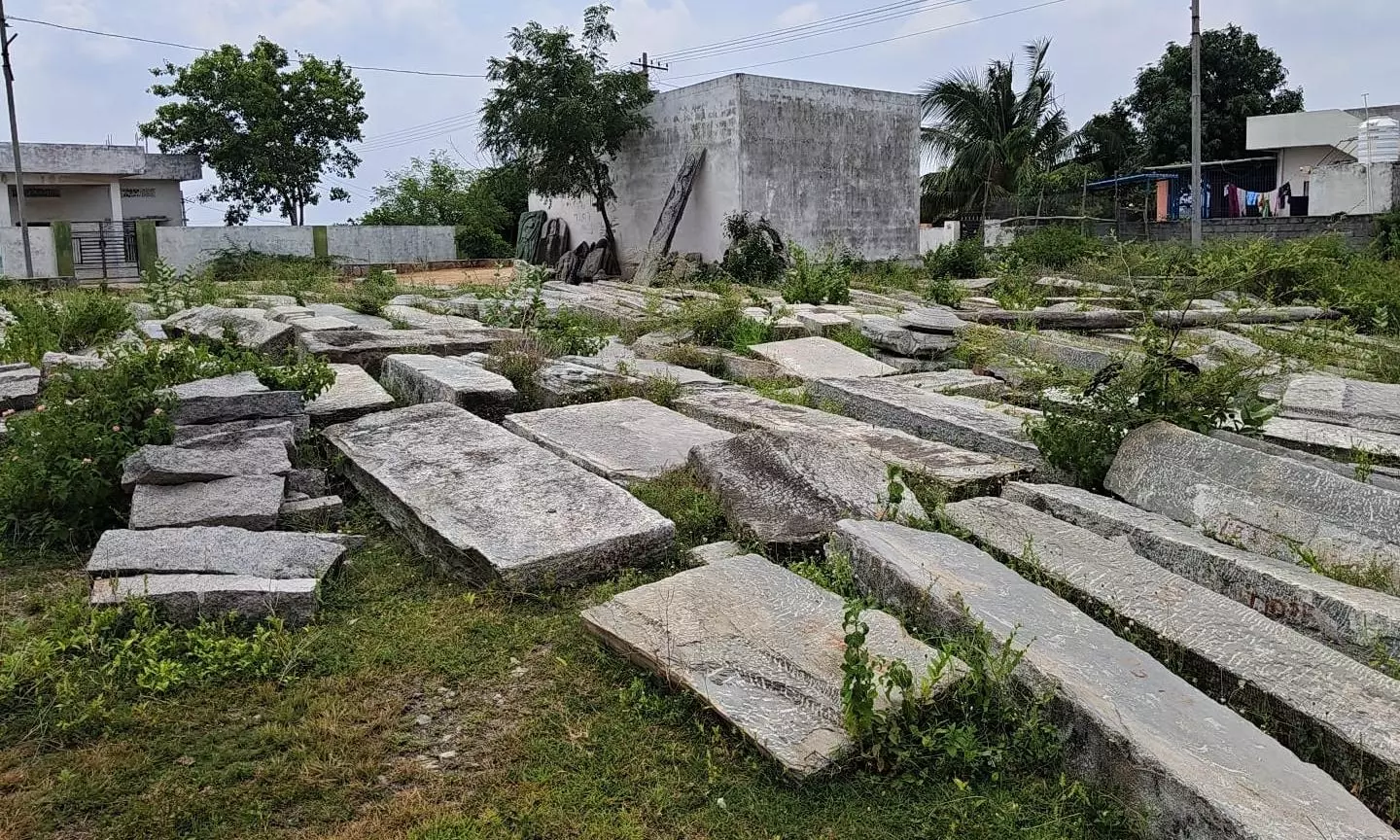
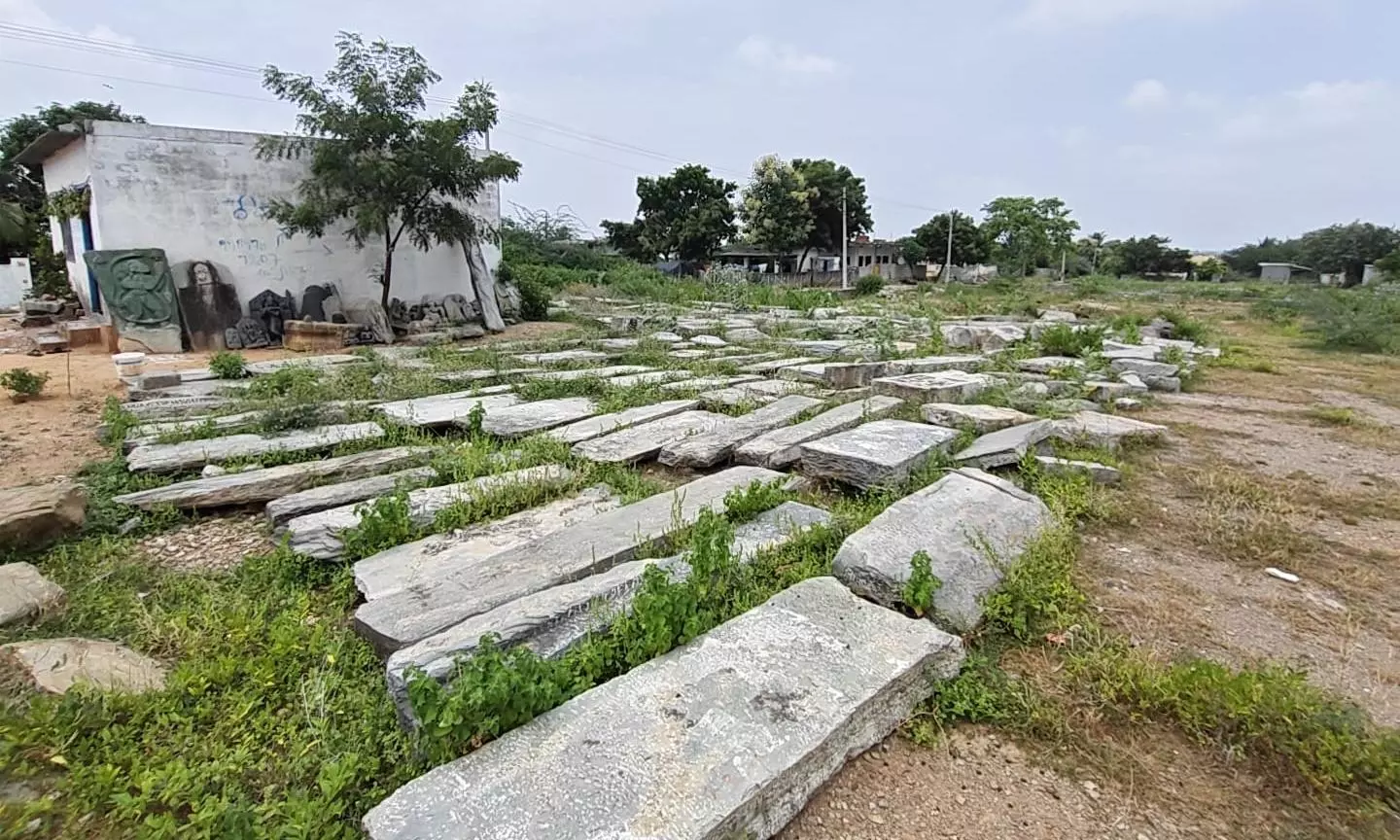
Basic work has commenced with stone members of the temple laying at the site for several years, he said, adding that documenting and identifying stone members before reconstruction had been the major challenge. Of the total amount of Rs 1.72 crore, around Rs 1 crore has been earmarked for resetting temple structures and remaining for landscaping and providing other amenities.
The ancient temples' foundation design was based on a geo-technical report submitted by experts from the National Institute of Technology (NIT), Warangal. Each component has been examined to determine its original position and with the other structural elements.
This approach was aimed at retaining temples architectural character while ensuring the appropriate conservation of their original stonework, said conservation wing officials, adding that within a month basic structure will be completed.
“We are using the lime concrete and work will go layer by layer. Works are expected to be completed before March 2027," sources said. Since the both sites were not under the ASI, the temples will be handed over to the state government after completion of the work.