Rats Bite 6 Girls At Tekulapally Welfare School; Over 20 Cases Report Every Year

According to the school health records maintained by the Auxiliary Nurse Midwife (ANM), 20 students were treated for rat bites during the 2024–25 academic year, while 18 cases were recorded in 2023–24.
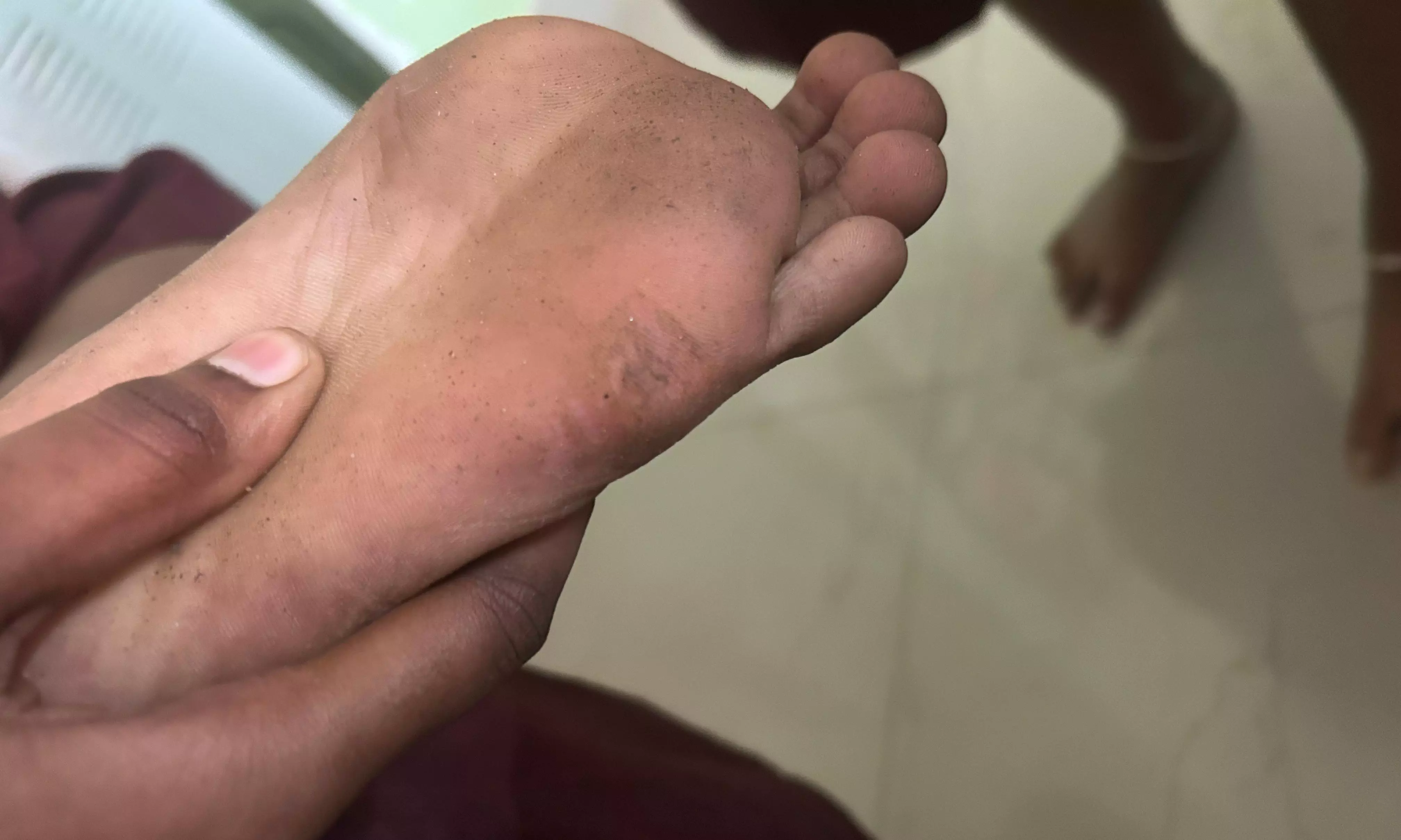
Nalgonda: At least six students of the Telangana Social Welfare Residential School and Junior College for Girls at Tekulapally in Khammam district were bitten by rats on Monday night while they slept in their hostel rooms.
The victims, all Class VIII students — M. Komali, V. Lidiya, B. Praharsha, K. Amulya, B. Sarika, and D. Shrananya — were taken to the Government General Hospital in Khammam, where they were administered anti-rabies injections. The incident occurred on the second floor of the school hostel building.
Rat bite incidents are reportedly a regular occurrence at the school. According to the school health records maintained by the Auxiliary Nurse Midwife (ANM), 20 students were treated for rat bites during the 2024–25 academic year, while 18 cases were recorded in 2023–24. These figures only account for students who were taken to the district hospital for anti-rabies treatment, raising concerns that actual cases may be higher.
Authorities of the residential school attribute the problem to thick vegetation and garbage dumped near the compound wall by residents of adjacent double-bedroom housing. Higher officials who inspected the premises on Tuesday also pointed to poor drainage infrastructure as a contributing factor.
When contacted, principal Meesala Sunitha partially blamed the students for leaving snack wrappers in the rooms, which may be attracting the rodents. She added that the rats enter the premises from the surrounding bushes and garbage piles. Despite deploying rat traps and glue sheets in all rooms, the problem persists. The school has written to the Khammam Municipal Corporation, requesting clearance of bushes and a ban on waste dumping near the campus.
Student K. Amulya described the situation as distressing, saying rats often crawl onto them while they sleep, making it difficult to protect books, clothes, and belongings. "The rats usually bite our legs below the knees and our fingers," she said.
Another student, B. Radhika, said, "Nights are terrifying. We sleep in fear, knowing rats might bite us at any moment."
Zonal Officer of the Telangana Social Welfare Residential Educational Institutions Society (TSWREIS), M. Swaroopa Rani, said the principal has been asked to submit a detailed report. She added that repairs to plug holes and fix drainage lines will be taken up during the summer holidays.
Associate professor at Government Medical College, Nalgonda, Dr Swaroopa Rani warned that rat bites can cause severe infections and multiple anti-rabies injections in a short span can pose health risks. "Contaminated food items touched by rats can transmit rat fever and other diseases," she said.
