Pranahita-Chevella Barrage DPR Likely in a Month

The state government is also examining an alternative option of linking the proposed Pranahita-Chevella barrage canals with the proposed Chennur Lift Irrigation Scheme.
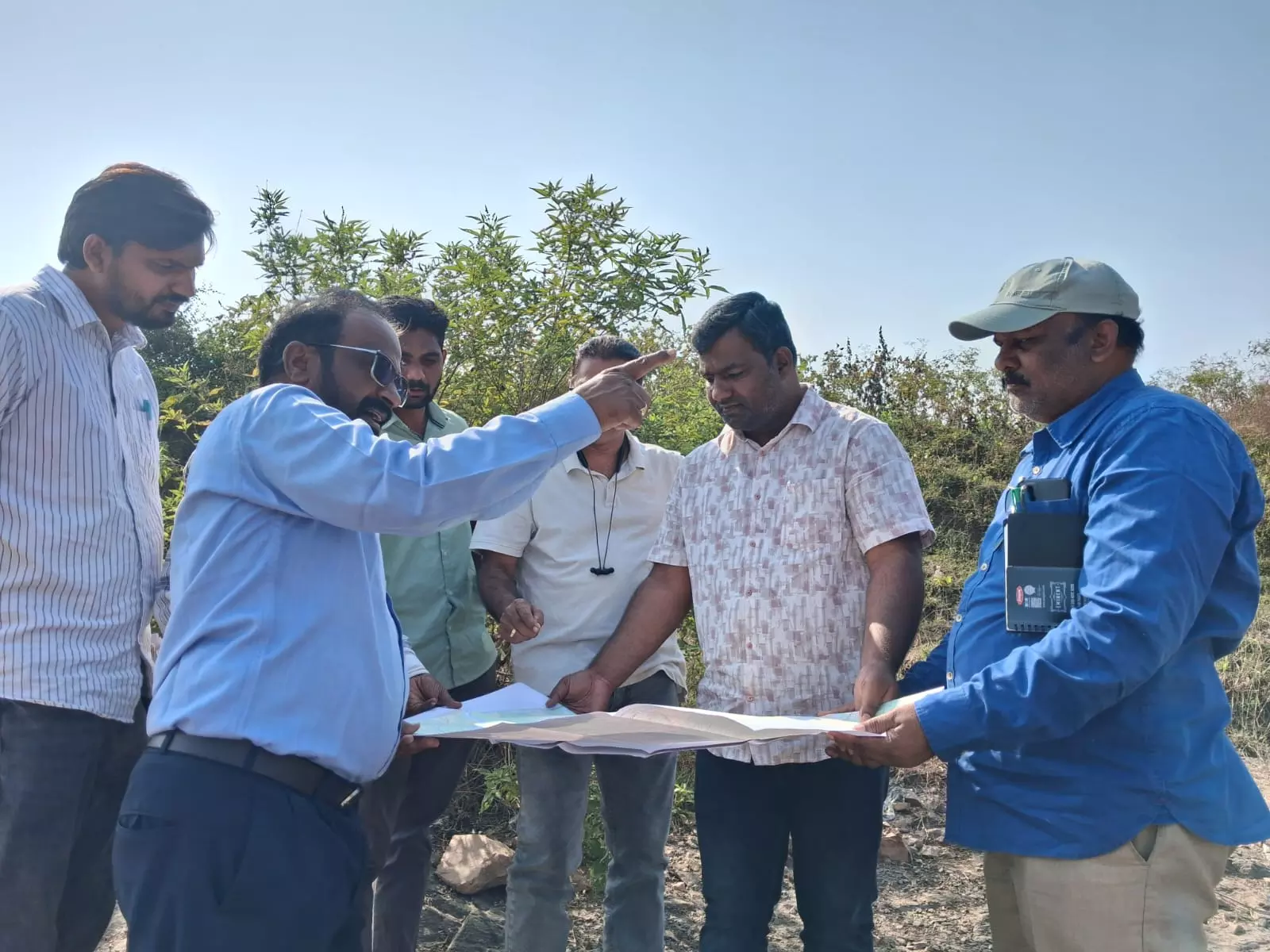
Adilabad: Surveys for the preparation of the detailed project report (DPR) for the proposed Pranahita-Chevella barrage have been completed at Tummudihatti by the private consultancy Aarvee Associates which will now shifted to the Sundilla area. According to sources, the DPR preparation is in its final stages and Aarvee Associates is expected to submit the report to the state government within a month.
Under the proposal, water would flow through gravity canals from the Pranahita-Chevella barrage up to the Sundilla barrage, from where existing pipelines would be used to lift water to the Yellampalli irrigation project.
The state government is examining an alternative option of linking the proposed Pranahita-Chevella barrage canals with the proposed Chennur lift irrigation scheme (CLIS).
In 2022, the previous BRS government had proposed the CLIS at an estimated cost of `1,658 crore to irrigate about 90,000 acres and supply drinking water to 103 villages in the Chennur Assembly constituency of Mancherial district. The proposal envisaged lifting 10 tmc ft of water from the Kaleshwaram lift irrigation scheme (KLIS).
During an election meeting in Kagaznagar two days ago, Maharashtra Chief Minister Devendra Fadnavis expressed readiness to extend cooperation for the proposed Pranahita-Chevella barrage with regard to the submergence of nearly two lakh acres in the bordering areas of Maharashtra.
The proposed Pranahitha-Chevella barrage is planned about 1.5 km upstream of Tummudihatti near Shivuni village in Maharashtra. Officials noted that an earlier DPR existed for a barrage height of 148 metres and that there was an agreement with the Maharashtra government for this height.
Survey teams have assessed water levels at the proposed barrage site and identified submergence areas. Aarvee Associates and irrigation officials also inspected locations at the confluence of the Vainganga and Wardha rivers, which later form the Penganga river, and visited Asti village near the confluence area as part of the preliminary investigations.
