Residents battle foul-smelling water, skin ailments as authorities deny lake contamination
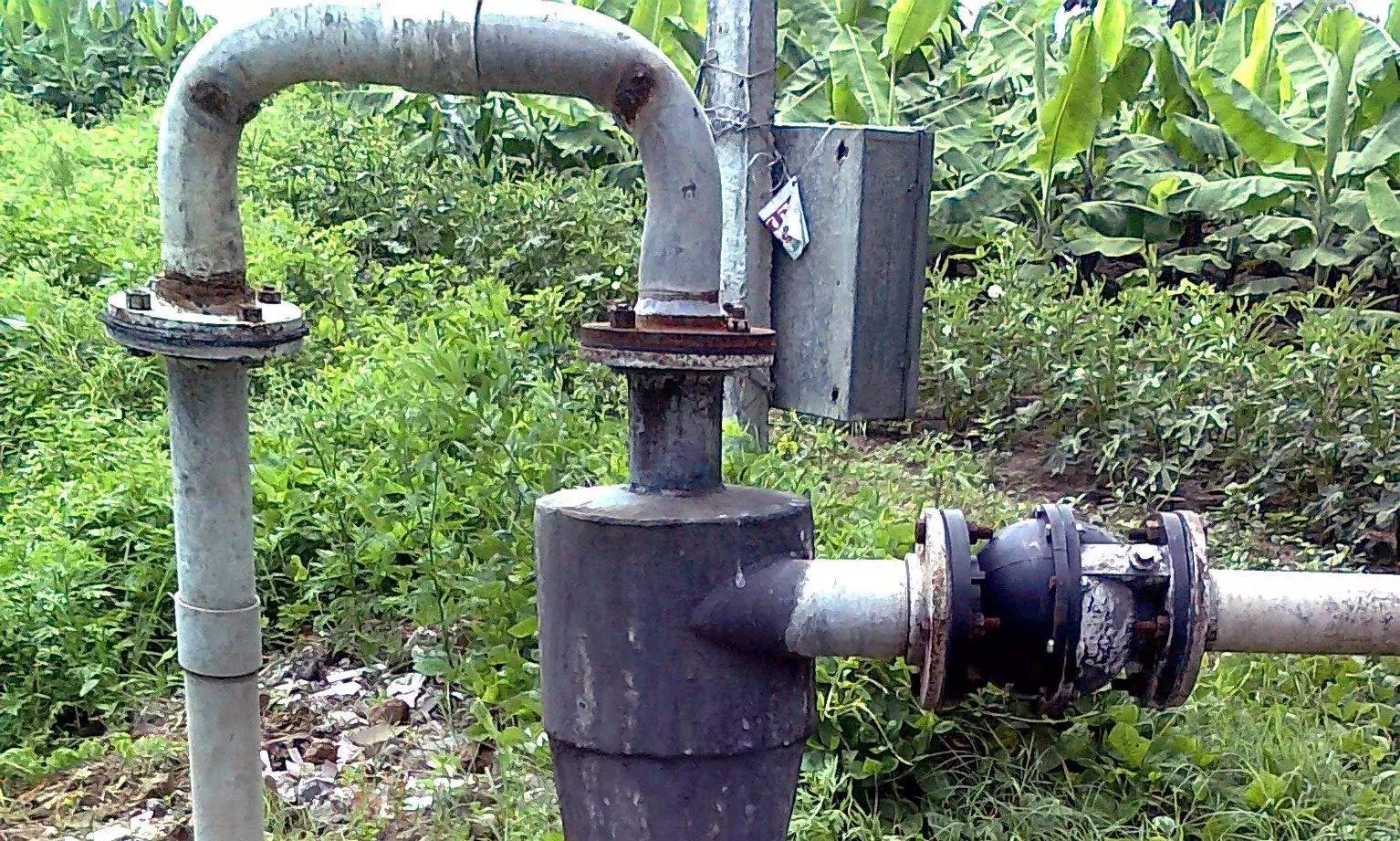
Hyderabad: Residents of M.S. Maqtha in Khairatabad’s Rajnagar area, near Hussainsagar, have raised serious concerns about deteriorating water quality, claiming the borewell water has turned black, emits a foul odour and is causing skin ailments and other health issues. While most households now depend on filtered Manjeera water for drinking, they continue to use borewell water for washing and bathing, despite repeated health complaints.
“We’ve been living here for over 20 years,” said Shamsuddin, 45. “Earlier, the borewell water was clean, but now it’s black and smells terrible. We’ve stopped drinking it—we only use it for washing clothes.”
Padma, 51, another resident, said, “Doctors told us our skin rashes are due to the water we use for bathing. We boil Manjeera water for drinking, but we still have to bathe in the borewell water—and that’s taking a toll on our health.”
Mohammad Zawid, 40, who lives with a family of ten, echoed the concerns. “For the past five years, we have relied on filtered water for drinking, but the borewell water remains a problem. Even the private tanker water doesn’t help much.”
Residents suspect that drainage water is seeping into the borewells and allege that, despite repeated complaints to authorities, no permanent solution has been found. “The Pollution Control Board visited and collected samples, but nothing changed,” said a local.
The officials deny any direct link between the pollution and the lake. K. Mahesh Kumar, deputy director at the state groundwater department, said the department monitors water levels and quality through observation wells, but no formal complaints have been received from this locality in recent years.
Pollution from Hussainsagar is unlikely to impact groundwater, officials claimed. “The lakebed is made of natural sheetrock,” said Prasanna Kumar, a senior officer from the Telangana State Pollution Control Board (TSPCB). “If there were percolation, this area would have seen groundwater contamination decades ago.”
He added that lakes like Saroornagar and Durgam Cheruvu face visible surface pollution due to inflows of garbage and sewage from surrounding colonies. However, he clarified that lake pollution does not always result in groundwater contamination, especially in areas with rock-based soil.
Officials noted that the TSPCB mainly monitors surface water. “If needed, we request assistance from the groundwater department for borewell analysis,” an official added.

