Podu Lands Lead Groundwater Use Surge in Forests
Officials Fear Drier Forests, Wildlife Conflicts
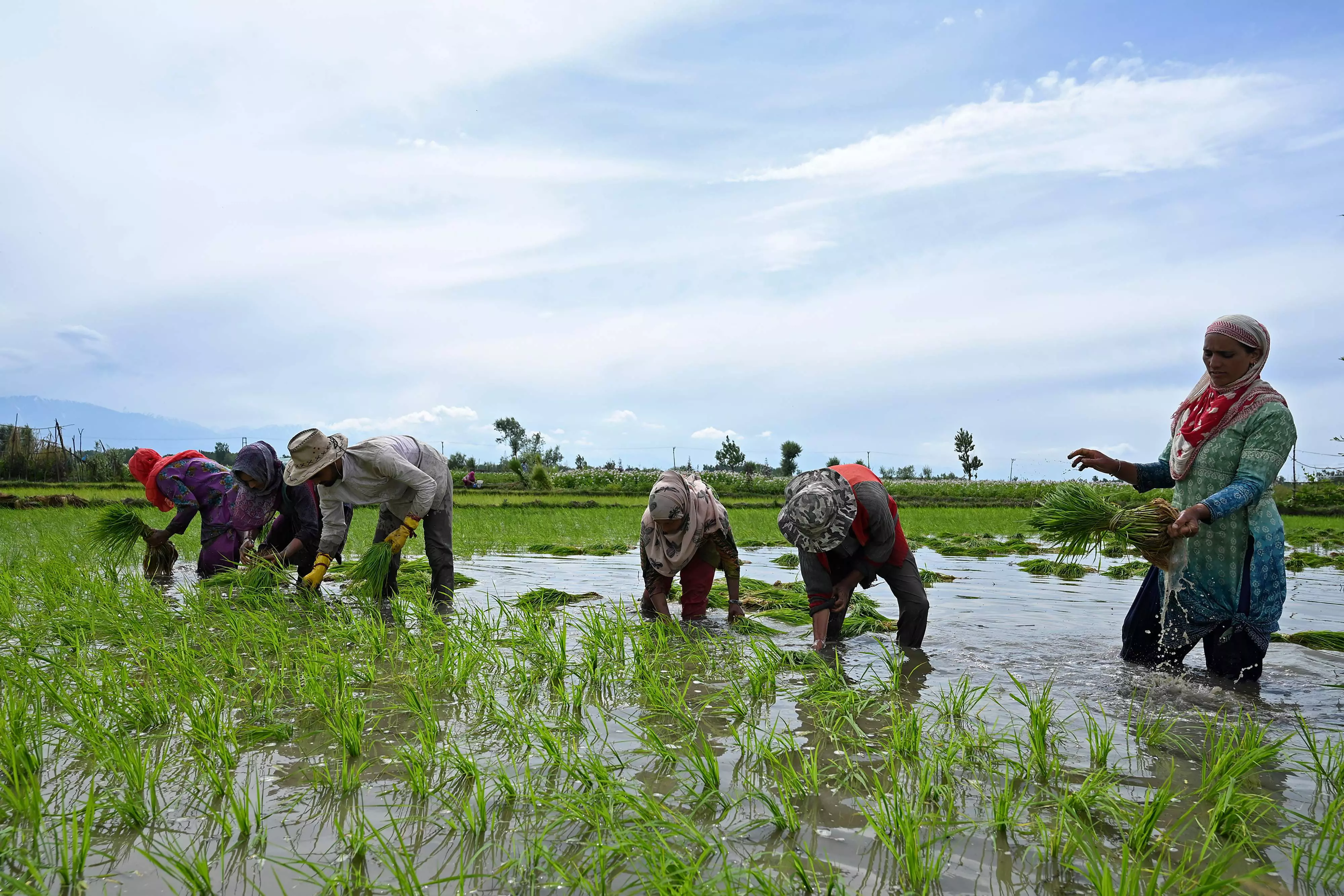
Hyderabad: Fears of a groundwater availability crisis is feared to be fast turning into not only an issue for farmers who are expected to be dependent on this resource during the El Nino-hit monsoon season, but also to vast tracts of forests with what officials describe as a trend in increasing number of borewells in podu patta land.
It may be recalled that the then BRS government had issued fresh podu pattas covering some 4 lakh acres of forest land in different districts to around 1.5 lakh applicants. In some districts, the impacts are already being felt in forests, it is learnt.
While there is no official figure for the number of borewells in podu land holdings, sources said there are at least 3,000, if not many more, in podu land in Khammam district, while the number is believed to be as high as 20,000 in Bhadradri Kothagudem district.
While officially individual borewells are not allowed under the ROFR Act with only community borewells permitted, it was in 2022 that the forest department allowed raising of water intensive oil palm cultivation in podu land. This was soon followed by permitting drilling of borewells, a decision though opposed by the ground level staff of the department, was pushed through from the top administrative levels of the forest department.
Officials say this all may seem harmless, but the current situation portends increasing conflicts with wild animals in the months to come, especially this year with poor rainfall. Forest officials feared that in areas with borewells on podu land, nearby seasonal nalas dry up first, along with natural water holes for animals which will dry up weeks before they normally do.
“If the moisture in the ground goes down, so will the risk of widespread forest fires for which neither the forest department, nor the state government are prepared,” a senior official said. “What groundwater loss in forests means is that we can expect more animals
to move towards crops and water sources in villages,” the official explained. “Expect an increase in crop raids by wild boar and deer. Using borewells in podu lands is already turning farming in such patches into intensive agriculture.”
“There is also an increasing demand for electricity connections for the borewells. First, a single phase power supply was allowed, but now podu patta holders are demanding three phase power supply. But electricity wires are the biggest threat to wildlife as most poaching happens due to electrified wires laid by people to trap and kill animals,” another forest department official said.
