Peston Shahi Coins Highlight Parsi Bankers’ Legacy

During the reign of Asaf Jah IV, Nizam Nasir-ud-Daula (1829–1857), the Meherjee brothers, originally from Bombay, became closely linked with the financial affairs of Hyderabad state.
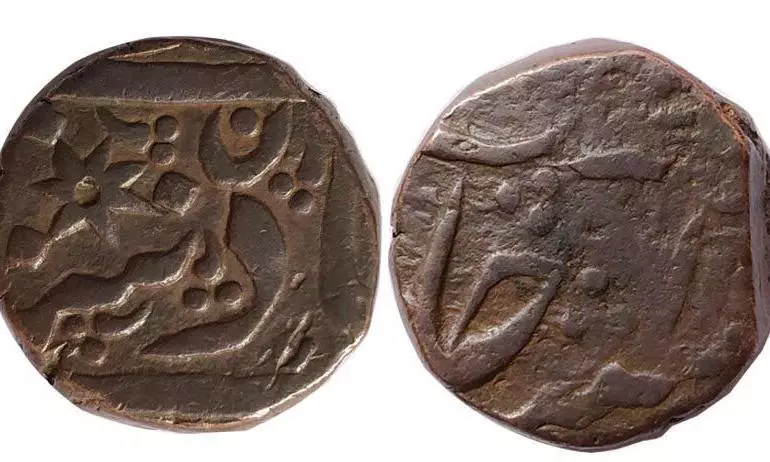
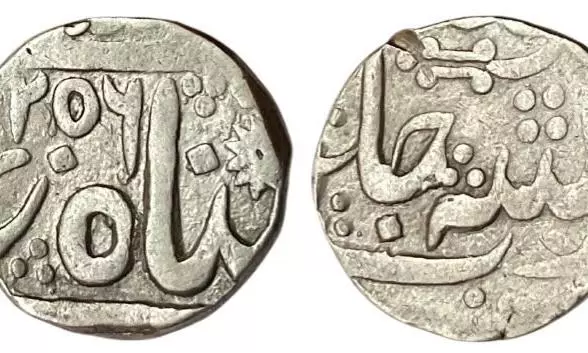
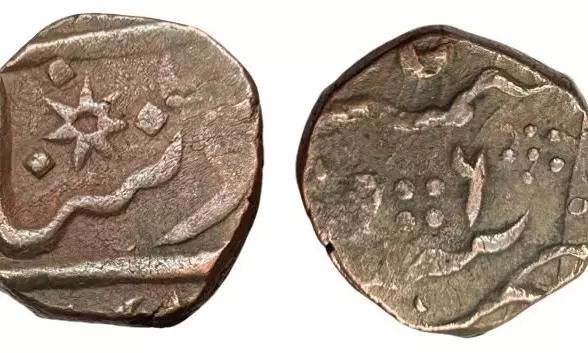
HYDERABAD: A rare collection of Peston Shahi coins has shed new light on the little-known story of Parsi banker brothers Pestonjee Meherjee and Viccajee Meherjee, whose association with the Nizam’s court and financial history is reflected in 19th century coinage.
During the reign of Asaf Jah IV, Nizam Nasir-ud-Daula (1829–1857), the Meherjee brothers, originally from Bombay, became closely linked with the financial affairs of Hyderabad state. Numismatist Vaikunta Chary said on Tuesday that historical accounts suggest they established ties with the Nizam’s government through Raja Chandulal, the influential Diwan and Prime Minister. In return for financial assistance to the state, the brothers are remembered as possibly the only Parsi traders granted the right to mint their own coin.
Their legacy extended beyond banking and trade. They founded the Seth Viccajee Meherjee–Seth Pestonjee Meherjee Dar-e-Meher at Secunderabad, one of the oldest Parsi fire temples.
Examples of the Peston Shahi silver rupee from the period of Nasir-ud-Daula and the Aurangabad Mint are recorded in the name of Bahadur Shah II, including the celebrated “Resplendent Sun” symbol.
Chary said the Peston Shahi Sicca is more than silver or copper: “It represents the intersection of the Nizam’s government and court, the banking system of Hyderabad state, and the financial role of Parsi merchants and bankers.”