Peri-Urban Area To Transform Hyderabad into Global City

Peri-urban area to transform Hyderabad into global city
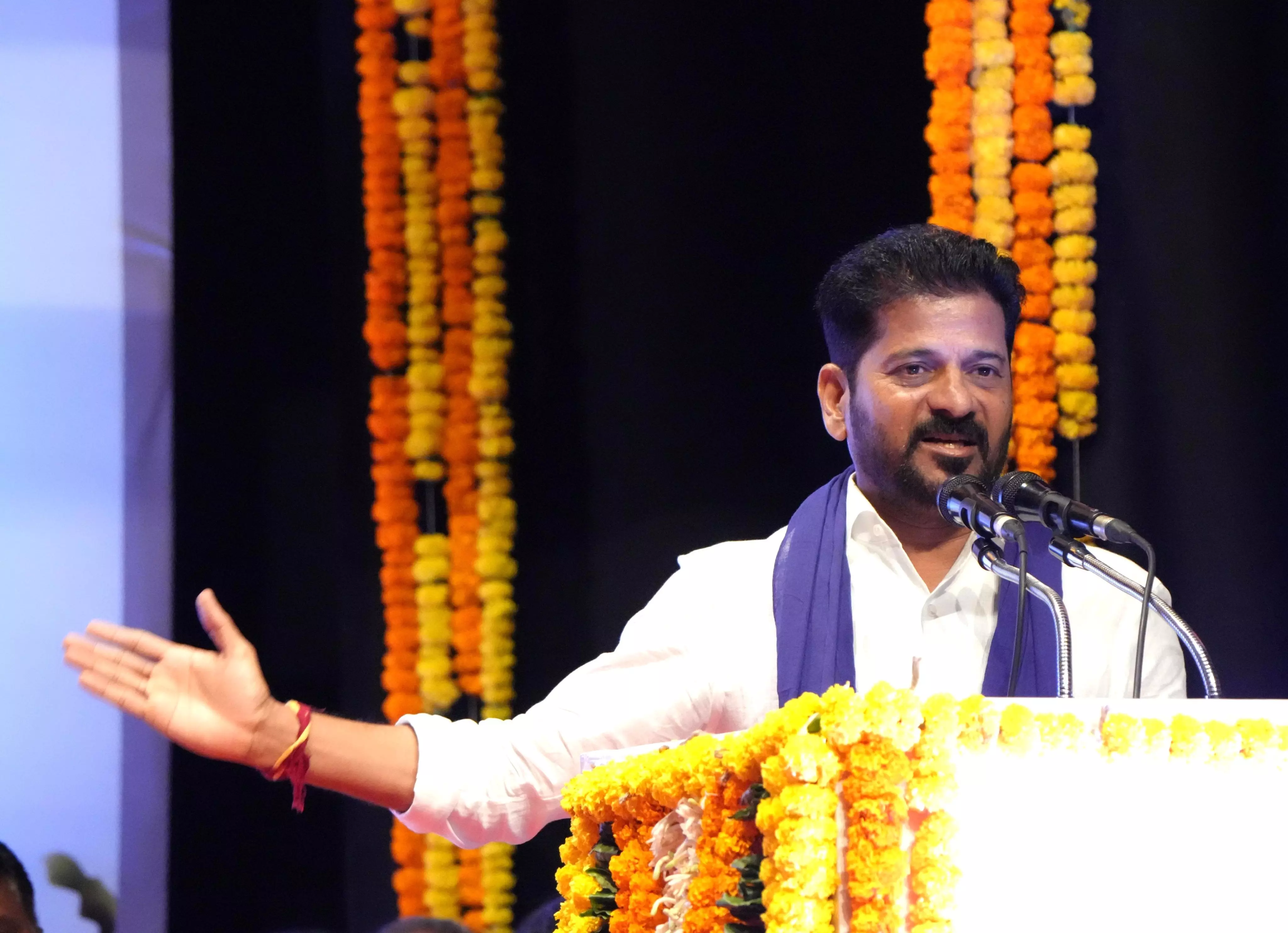
Hyderabad:Chief Minister A. Revanth Reddy seems to have chosen the development of area between the existing Outer Ring Road and proposed Regional Ring Road as a tool of transformation in Hyderabad’s metamorphosis into a global city in the years to come and achieve the $3-trillion economy, if the much talked about Telangana Raising 2047 vision document is any indication.
The draft document, which Deccan Chronicle accessed, lists out establishing Bharat Future City, the first net-zero smart city in about 14,000 acres, Bharat Industrial Parks — 13 strategic and advanced manufacturing clusters — and 10 compact and transit-oriented Greenfield townships among many other initiatives in this Peri-Urban Region.
Named as Hyderabad Metropolitan Area (HMA), which constitutes 8.2 per cent of the state’s total area with 25 urban local bodies, it will also pitch for the world-class living green metropolis tag through conservation of 2,000 plus lakes and developing a decarbonised transport network.
“The short term goal is to prepare an action plan by 2027 with an objective of achieving 70 per cent public-transit share besides executing a decarbonisation plan with large scale fleet electrification by the TGSRTC,” a senior official pointed out.
Following the outline of the Chief Minister’s development plan for the state, the document divided the state into core urban (area within ORR), peri-urban (area between ORR and RRR) and rest of the state.
“The idea is to enable every citizen irrespective of the area he/she is living access economic opportunity and a choice of living environment,” the official said, adding that the road and rail network would be developed in such a way that every major settlement in the city will be within two hours connectivity to the core urban region.
The document envisions transforming 100 lakes in the core urban area into vibrant cultural and recreational destinations besides the flagship programme of Musi rejuvenation.
The document also talks of positioning the state as an “investment magnet” with “five enduring strengths” — policy stability, world class infrastructure, ease of doing business, robust innovation ecosystems and superior quality of life.
The strategic pathways, the 2047 document suggests, are international arbitration ecosystem, faster and transparent clearance through TG iPass 2.0, timely disbursal of industrial incentives, particularly small and medium enterprises, accelerated sanctioning of land parcels and allowing flexible land use policies and zoning norms, efficient logistics and more importantly supply of skilled manpower.
