Pangal Fort Offers History and Adventure to Tourists

Perfect family outing with a history bonus
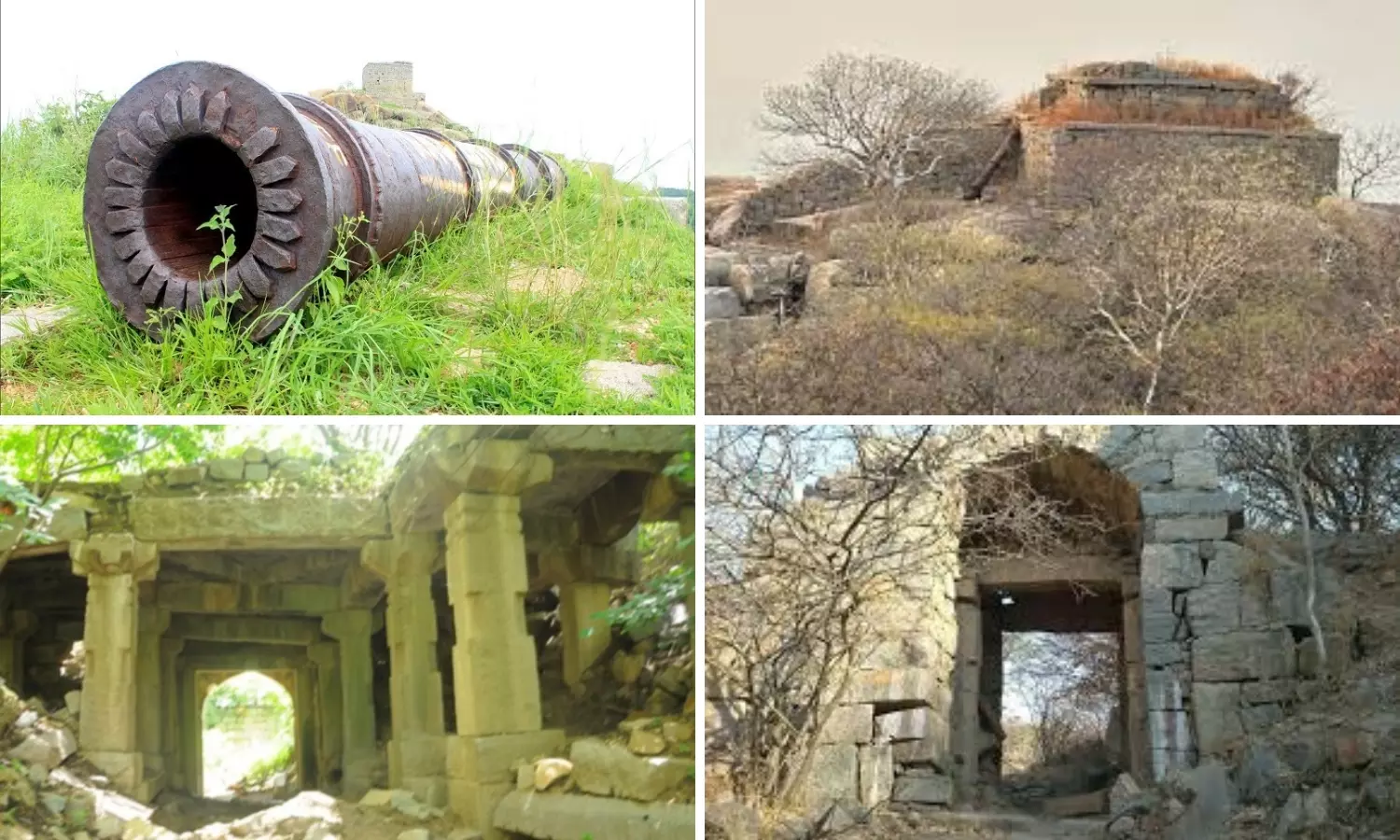
Hyderabad: Perched amid the rugged granite hills of Wanaparthy district, Pangal Fort stands as a reminder of Telangana’s medieval military and engineering prowess. Built by the Kalyani Chalukyas between the 11th and 12th centuries, the sprawling hill fortress extends over hundreds of acres and is marked by seven massive gateways and a network of water systems that once sustained garrisons through long sieges and harsh Deccan summers.
In recent months, the fort has emerged as a favoured trekking destination for enthusiasts from Telangana and neighbouring states. Located near Pangal village, about 15 km from Wanaparthy town, the site offers a moderate 1.5-km trek through scrub forests, boulder-strewn paths and remnants of fortified walls. The round trip, including exploration, takes about 1.5 to two hours and is suitable even for families and first-time trekkers.
The best time to visit is between October and February, when the weather is pleasant and the landscape turns green. Visitors are advised to avoid the March–June period due to intense heat. The fort is approximately 180 km from Hyderabad and can be reached in four to five hours by road via NH-44 or by train to Mahbubnagar, followed by a one-hour drive to Pangal.
The fort’s architecture reflects careful adaptation to the terrain. Granite walls follow the contours of the hill, forming near-impregnable defences, while watchtowers command sweeping views of the plains. Rock-cut cisterns and stepwells, still functional, collect rainwater, underscoring the sophistication of ancient water management. Structures such as the Uyyala Mandapam, with its carved pillars, and the remains of Shaiva and Vaishnava shrines point to the site’s cultural and religious importance.
Historian Dr Vaishnav Reddy traces the fort’s origins to a Satavahana outpost in the Asaka region, which was later strengthened by the Vishnukundina rulers. Over the centuries, it witnessed conflicts involving the Recherla Nayakas, Bahmani sultans, Qutb Shahi sultans and the Nizams.
Local lore holds the fort to be “invincible”, with legends of fallen warriors lingering in its mandapas. “The layered gateways channelled attackers into vulnerable zones, while the water systems rival modern reservoirs,” Dr Reddy said, adding that recent excavations had yielded Vishnukundina pottery linking the site to the ancient capital of Indrapalanagara.
Local farmer Ravi Kumar beams with ancestral pride: "No army ever breached our fort — many turned back scared. Tourists snap selfies now, but give us guide jobs to protect our heritage."
Weekend trekker Priya Sharma is thrilled with the journey and says, "The scrub trail builds just enough thrill, panoramic views and secret caves! Perfect family outing with a history bonus."
Adventure buff Mukund Rao calls it addictive: "Sunrise trek rewarded us with misty Krishna vistas and zero crowds. Are those water tanks still full? Mind-blowing ancient tech — coming back with friends."
