Shift Away From Paddy Will Save Telangana Govt Funds

Looking ahead, the report predicted that agriculture in Telangana “will undergo a structural, permanent shift away from water-intensive paddy toward pulses, millets, and oilseeds.
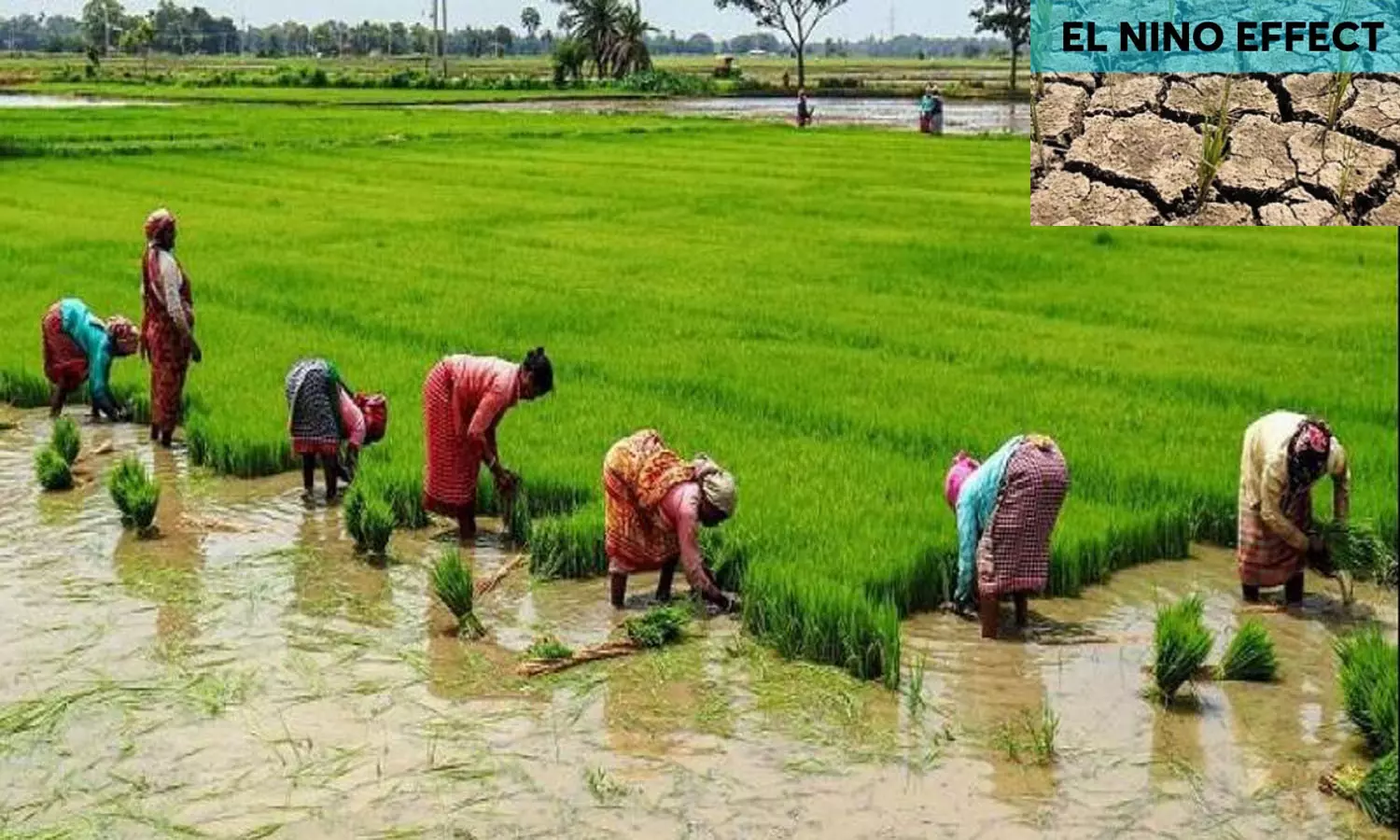
Hyderabad: Telangana, which has risen to being the top rice-growing state, is all set to lose that sheen thanks to the El Nino-hit monsoon season, notwithstanding the current spells of rain in several parts of the state.
An expert committee set up by the government on El Nino preparedness and mitigation, has not only called for enforcing a strict ‘no-more-paddy’ rule for the Kharif crop season, but also to start taking steps to discourage farmers from planning to grow rice in the coming Rabi season.
“It is better to plan early Rabi and take necessary steps to avoid paddy cultivation,” the report said.
While making no mention of the Rs 500 bonus per quintal announced by the state government for fine rice varieties, the committee said weaning farmers away from growing rice “will not only save government expenditure but also save the environment and protect soil health.”
The report said “the current crisis is the best opportunity” for the state government to promote pulses, millets and oilseeds in place of paddy.
It also called for a strict “no additional paddy” policy that must be enforced for borewell-dependent and water-stressed mandals. This policy needed issuing an administrative directive prohibiting new paddy nursery transplantation under borewells and rainfed regions in 399 water-stressed mandals for the Vanakalam (Kharif) 2026 season, the report added.
Looking ahead, the report predicted that agriculture in Telangana “will undergo a structural, permanent shift away from water-intensive paddy toward pulses, millets, and oilseeds.
Recalling how paddy rose to be the dominant crop in Telangana, the report noted that area under paddy expanded from 25.85 lakh acres in 2015-16 to 135.82 lakh acres in the year 2025-26, while production of rice increased from 45.71 to 286.03 lakh metric tonnes, making Telangana one of India's leading rice-producing states and the second largest contributor to the Central pool.
“However, paddy's high-water requirement makes it highly vulnerable to rainfall deficits, reduced reservoir inflows, and declining groundwater during El Nino years,” the report said.
Infograph
Paddy cultivation to take a hit
Area projected to plummet 44.90%, from 69.89 lakh acres in 2025 to 38.51 lakh acres in 2026.
Water: 4 acres of horticultural crops can be cultivated instead of 1 acre of paddy.
Productivity per unit area: Paddy: 2.5 tonnes, Horticulture crops: 6 tonnes.
