Our Lives Aren’t As Colourful As Ikkat Saris, Say Pochampally Weavers Seeking Specialist Doctors

Around 600 families in Pochampally depend on weaving Ikkat saris on traditional pit looms for their livelihood: Reports
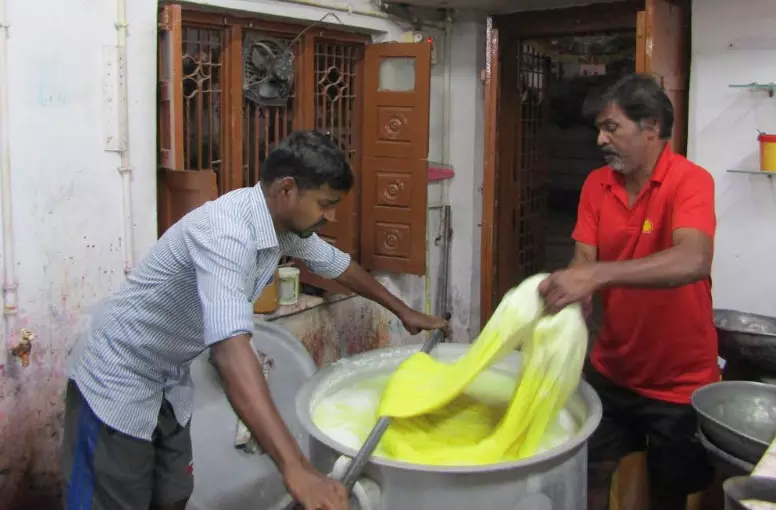
NALGONDA: For decades, Pochampally Ikkat weavers have sought the appointment of specialist doctors, including dermatologists and ophthalmologists, at the Primary Health Centre (PHC) in Bhoodan Pochampally of Yadadri-Bhongir district, but their request remains unaddressed.
Around 600 families in Pochampally depend on weaving Ikkat saris on traditional pit looms for their livelihood. Weavers say prolonged involvement in tie-and-dye processes and loom work has led to musculoskeletal disorders, skin ailments, respiratory problems and eyesight issues.
Though Pochampally Ikkat saris have gained international recognition, weavers say occupational health concerns persist. The tie-and-dye process involves manual handling of chemical dyes and acids. According to studies, including those by Switch Asia, synthetic colours and highly concentrated acetic acid are used to ensure colour adherence to yarn. Weavers said direct contact with these substances, often without protective gloves to maintain quality of application, has resulted in skin diseases.
Long hours on pit looms, they said, also lead to back pain and other musculoskeletal problems. Exposure to yarn dust and chemical fumes has reportedly caused respiratory issues.
Master weaver Ankam Ramesh said representations had been made to visiting officials and public representatives seeking specialist posts at the local PHC, but no action followed. He said gloves were avoided during tie-and-dye as they affected colour application.
Goshika Pandu, who has been engaged in tie-and-dye work for 16 years, said he continued to experience the smell of chemicals even while eating food despite washing with bleaching powder. He said he was suffering from a skin condition and severe back pain.
Mayila Jangaiah said he had been undergoing treatment for breathing problems for the past five years. “The doctors advised me to avoid exposure to dust, but that was impossible while working as a weaver,” he said.
Tamma Koti Lingam, who has worked on pit looms for 15 years, said prolonged weaving had affected his eyesight and caused persistent back pain.
Padmashali Youth Association leader Duduku Lakshminarayana said traditional weavers were receiving limited benefits apart from thrift fund schemes. He alleged that treatment for occupational diseases was not being covered under Rajiv Arogyasree and urged the state government to establish specialised treatment facilities at the Pochampally PHC in line with local health needs.
Senior physician Dr P. Vittal Babu said power-intensive weaving could lead to muscular aches, sprains and strains. He said prolonged sitting, exposure to noise, chemical dyes and yarn dust could result in multiple health issues. Medicines could manage symptoms, but continued exposure without preventive measures could aggravate conditions, he added.
