OU Warns PhD Students Using AI Tools For Theses, Cites Plagiarism Risk

Reports state that faculty members are scrutinizing PhD theses drafted with AI tools and conducting plagiarism checks before accepting them.
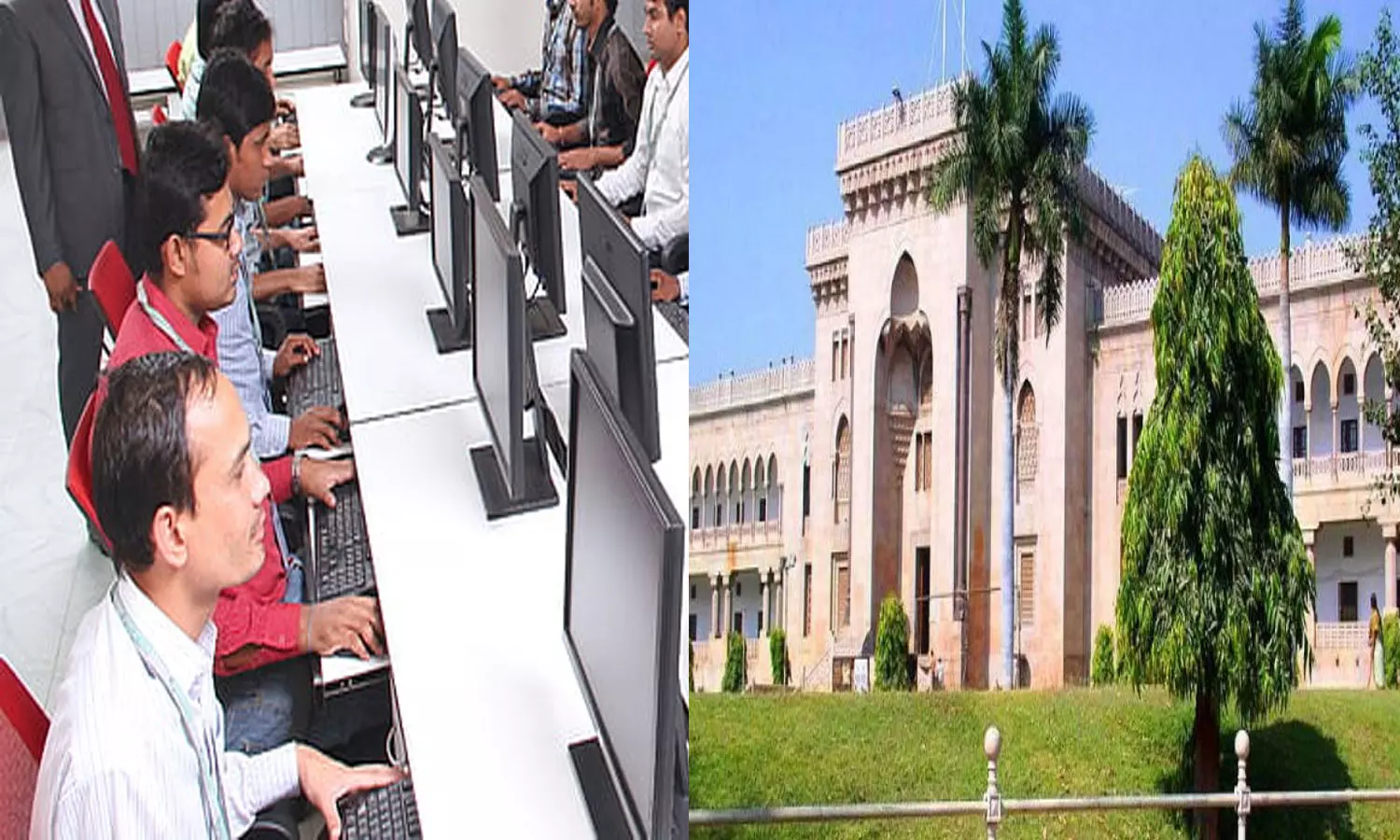
Hyderabad: Osmania University (OU) authorities have cautioned PhD scholars against using artificial intelligence tools for academic work.
OU faculty members said that using AI tools like ChatGPT and Gemini for English-language drafting could increase plagiarism risk and create complications during thesis evaluation. They also warned that such practices could lead to restrictions on future PhD admissions for up to three years.
Reports state that faculty members are scrutinizing PhD theses drafted with AI tools and conducting plagiarism checks before accepting them. Officials said nearly 600 theses examined over the past two years required corrections, revisions, or additions after review. Osmania University has been using specialized software since July last year to assess the originality of research submitted by scholars. The percentage of plagiarism is determined with the help of state-of-the-art Turnitin software. It identifies these issues in just ten minutes, whether the student used an AI tool, and from which AI tool the content was taken. Based on scan reports, faculty are asking research scholars to rewrite sections flagged as AI-generated content.
According to reports, checks using advanced AI detection software found that up to 40% of some submissions contained content generated with ChatGPT, while another 5% included material copied from other theses.
