One in Three Rural Telangana Students Addicted to Smartphones, AIIMS Study Finds

The study, published in the Cureus Journal of Medical Science on Tuesday, found that 32.2 per cent of smartphone users were addicted to their devices.
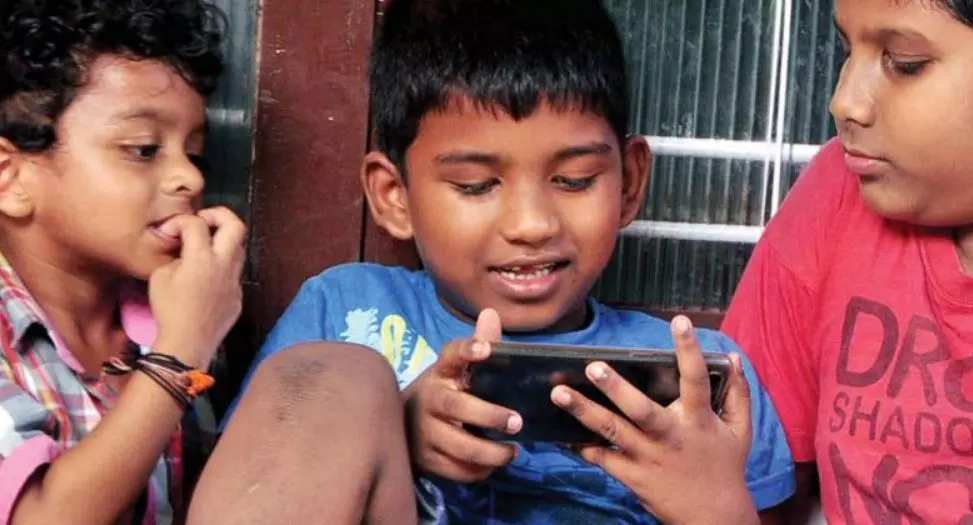
Hyderabad:Nearly one in every three rural school students in Telangana is addicted to smartphones. However, the addiction does not appear to affect their academic performance, according to a new study by doctors from the All India Institute of Medical Sciences (AIIMS), Bibinagar.
The study, published in the Cureus Journal of Medical Science on Tuesday, found that 32.2 per cent of smartphone users were addicted to their devices. In comparison, 85.8 per cent of adolescents reported using smartphones. Researchers, however, found no significant association between smartphone addiction and students' academic performance, challenging the common perception that excessive smartphone use directly leads to poor grades.
The cross-sectional study was conducted among 423 students aged 10 to 19 years from three randomly selected government schools in Bommalaramaram mandal of Yadadri Bhuvanagiri district, the rural field practice area of AIIMS Bibinagar. The research team included Dr Pratik R. Sonunkar, Dr Bhushan Kamble, Dr G. Alekhya, Dr Govindrao N. Kusneniwar, Dr Sandip Dhole, Dr Enubothula Sampath Kumar and Dr Gayatri Putukuchi.
Speaking to Deccan Chronicle, Dr Bhushan Kamble, associate professor, department of community and family medicine and the lead author of the study, said that this is the first study to specifically assess smartphone addiction among rural school-going adolescents in Telangana.
"While smartphone addiction is common among rural adolescents, our findings show it did not significantly influence academic performance. Academic achievement depends on multiple factors, including teaching quality, parental support, attendance and study habits. However, the high prevalence of smartphone addiction and its association with poor sleep quality is a concern that requires attention," he said.
The study found that 67.8 per cent of students started using smartphones after the Covid-19 pandemic, reflecting the rapid digital expansion following online education. Entertainment (59.5 per cent), social media (66.4 per cent) and gaming (46 per cent) emerged as the primary reasons for smartphone use. About 20.7 per cent of students used smartphones for more than two hours daily, while 2.5 per cent reported usage exceeding six hours a day.
Researchers observed that male students, those owning personal smartphones, adolescents who began using smartphones before the COVID-19 pandemic, and students with poor sleep quality were significantly more likely to develop smartphone addiction.
Dr Kamble said the findings highlight the need for school-based awareness programmes involving teachers, parents and school health teams to promote healthy digital habits and good sleep hygiene rather than focusing solely on restricting smartphone use. The researchers recommended further long-term studies to better understand how digital behaviour influences adolescent health and well-being in rural India.
