Oncofreezing Offers Hope For Cancer Patients

Fertility counselling now includes discussions on hereditary cancers and genetic risks
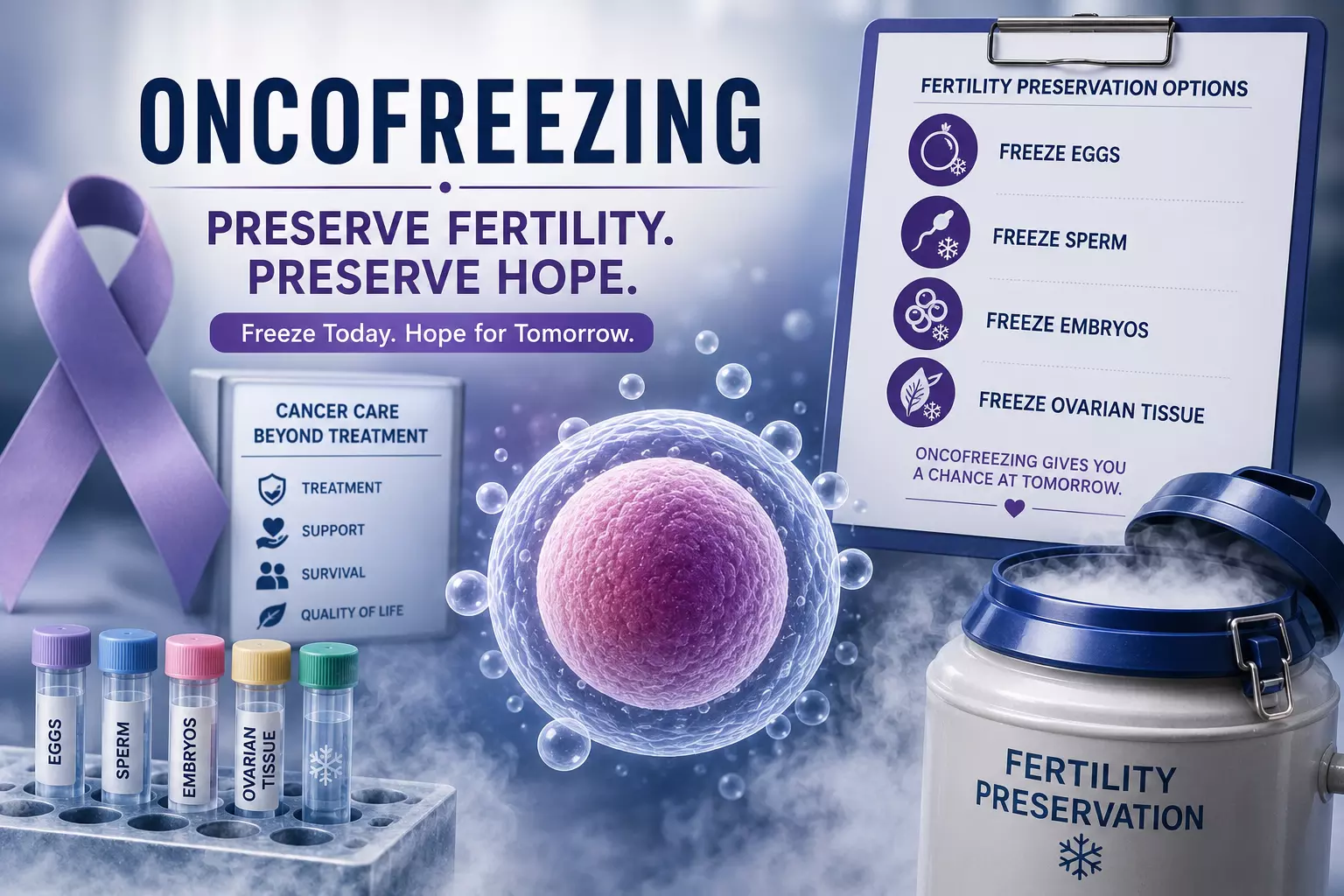
HYDERABAD: A cancer diagnosis often raises fears beyond treatment and survival, especially among young adults who have not yet started a family. Increasingly, doctors say those concerns need not end the dream of parenthood, thanks to oncofreezing — a fertility preservation technique that allows patients to freeze eggs, sperm, embryos or reproductive tissue before cancer treatment begins.
With advances in cancer treatment improving survival rates, specialists say preserving a patient’s quality of life after recovery has become an important part of modern oncology. They stress that discussions on fertility should take place as soon as cancer is diagnosed, as chemotherapy, radiotherapy and surgeries involving reproductive organs can affect fertility.
Dr K. Meena, consultant medical oncologist at AIG Hospitals, said cancer care today extends beyond treating the disease. “Patients should be informed about how treatment may affect fertility and the options available to preserve it before therapy begins. These discussions should involve oncologists, fertility specialists, genetic counsellors and psychologists so patients can make informed decisions,” she said.
The need for such counselling has grown as more cancers are being detected in younger adults. At the same time, advances in chemotherapy, immunotherapy and targeted therapies have significantly improved survival, making life after cancer an equally important focus.
Depending on the patient’s age, diagnosis and treatment plan, fertility preservation may involve freezing eggs, sperm, embryos or ovarian tissue. Specialists say modern techniques now allow many women to complete egg or embryo freezing within 10 to 14 days without causing a significant delay in cancer treatment.
Dr Sandeep Karunakaran, medical director and reproductive health specialist, oval fertility, said fertility preservation is no longer an optional service but an essential part of cancer care. “Cancer does not always cause infertility, but both the disease and its treatment can affect reproductive health. The best time to discuss fertility preservation is before treatment starts, when the chances of success are highest,” he said.
He added that international medical guidelines recommend that all patients of reproductive age receive counselling on fertility preservation before beginning cancer therapy. According to him, oncofreezing allows patients to focus on fighting cancer without giving up the possibility of becoming parents later in life.
Fertility counselling now includes discussions on hereditary cancers and genetic risks. Appropriate genetic testing can help patients understand the chances of passing on inherited conditions and guide future family planning, he explained.
Experts point out that improved freezing techniques have significantly increased the survival rates of frozen eggs and embryos, while ovarian tissue preservation has opened new options for women who cannot delay treatment and for pre‑pubertal girls.
