New Statistics Moots Meeting India’s Changing Diesel Needs

New recommendations aim to improve tracking of biofuels and sector-wise energy consumption
Hyderabad: India is set to strengthen its demand‑side energy data framework with new recommendations from the expert committee on energy statistics, aimed at improving the measurement of sector‑wise consumption, biofuel contribution and other emerging energy streams. The move is expected to provide a more accurate picture of how energy is used across the economy and support better policy planning.
The committee has recommended methodological improvements to capture the contribution of biofuels and close data gaps in India’s energy accounts, according to the Ministry of Statistics and Programme Implementation. The recommendations are intended to make energy statistics more comprehensive, reliable and aligned with changing consumption patterns across sectors.
The report comes at a time when India is placing greater emphasis on integrating energy data across petroleum, power, coal and gas to support macroeconomic forecasting and infrastructure planning. Officials have stressed that energy policy must anticipate future demand rather than react to shortages, underscoring the need for better data systems on the demand side.
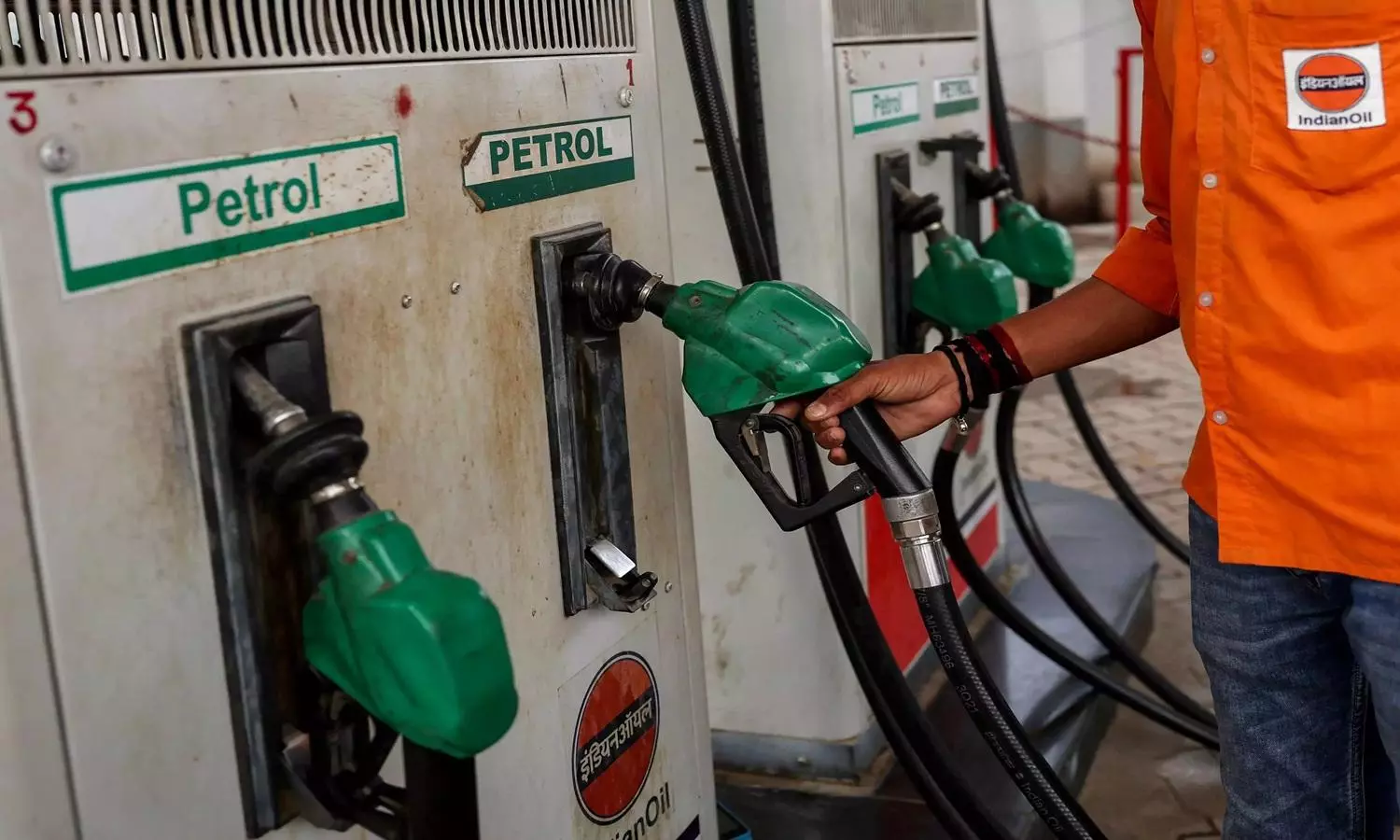
The Energy Statistics India 2026, released on Monday, focused on expanded energy data coverage to address gaps in areas such as domestic coal consumption through e‑auction, imported non‑coking coal, and sub‑sectoral electricity use in industry. It also introduced, for the first time, data on industry‑wise distribution of High Speed Diesel (HSD) through retail/reseller channels and international aviation and marine bunker consumption.
The latest recommendations are significant because they go beyond conventional fuel accounting and seek to reflect India’s evolving energy transition. Capturing categories such as Black Liquor and liquid biofuels more accurately will help bring alternative fuels into the mainstream of official energy statistics and improve policy visibility for cleaner energy sources.
This approach is also expected to strengthen sectoral end‑use consumption statistics by standardising data across energy commodities and harmonising reporting across industries. By doing so, the framework can better reflect actual demand patterns and support India’s long‑term energy planning goals.
