Naikpod Masks Tradition Revived by New Generation

The art form is currently in the process of obtaining a Geographical Indication (GI) tag
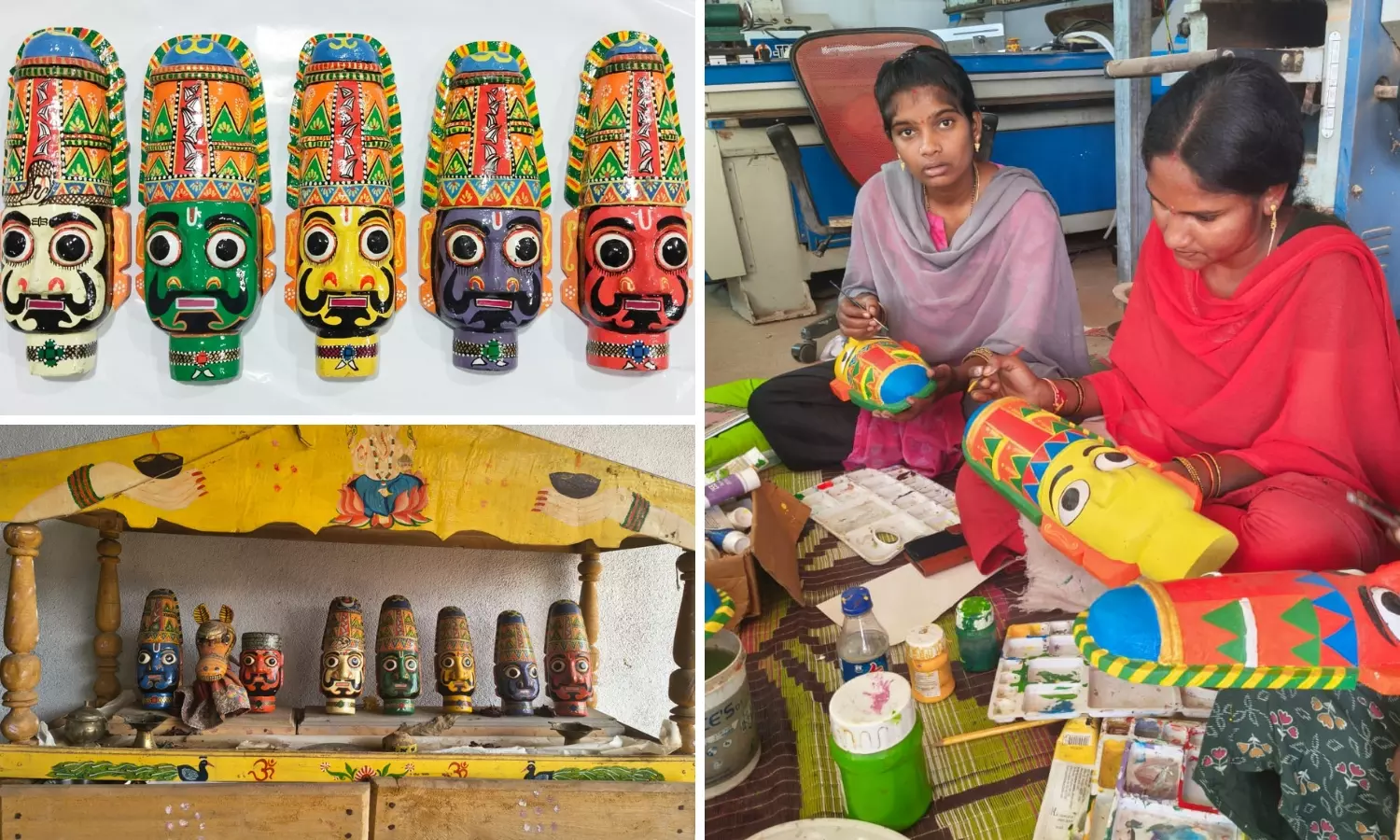
HYDERABAD: Telangana’s 700‑year‑old Naikpod masks tradition, a dying tribal art form once on the verge of disappearing, is being brought back to life by a new generation of artists.
These one‑and‑a‑half‑metre masks, carved from wood, depict folk and mythological characters. They have been integral to Naikpod rituals and festivals, serving both religious and cultural purposes since ancient times.
However, over time, mask‑making declined due to reduced usage and lack of awareness. Today, only a few families continue the art form, producing around 15–20 types and imparting skills to others. Tribal students are also documenting the tradition in erstwhile Khammam, Adilabad, Bhadradri Kothagudem, and Mulugu districts. The art form is currently in the process of obtaining a Geographical Indication (GI) tag.
Pasula Anjan Kumar, master craftsperson and president of Naikpod Tribal Arts and Crafts, said they are now making 18 types of masks, including Kakatiya King Singaboyadu, the five Pandavas, Potharaju, Varaja Raju, Erragonda Rakasi, Nallagonda Rakasi, as well as animals like deer and horse.
He said he has been teaching the craft to many, but as the art does not generate much income, people are reluctant to learn. “I will continue to work to preserve the culture and tradition. We need more support and orders from the government,” he said.
Not just the art, even the wood—Poniki—used to make these masks is in short supply. “These masks are kept as idols in temples. A few artists continued until 2020, but the Tribal Welfare Department helped revive the craft by setting up a unit. Unlike the traditional one‑and‑a‑half‑metre masks, smaller sizes are now being made based on customer demand. The masks are used during ritual dances,” said Dyavanpalli Satyanarayana, curator of Tribal Museums.
According to Suravaram Pratapa Reddy Telugu University assistant professor and historian Dr M.A. Srinivasan, Naikpod masks are not just aesthetic but embody strong mythical and cultural understanding of totems, folklore, and continuity.
“The interesting feature of this tradition is the stories, which are related to the Mahabharata but not the Ramayana. Their understanding of colours and preparation of natural pigments is exceptional and must be scientifically studied, preserved, and developed,” he added.
Kotha Revanth, an artist from the Naikpod community, said many in his community are unaware of their culture, festivals, or mask‑making traditions.
“Now, I am documenting the art form, depicting lifestyle and culture through paintings, which also include brief explanations so that even those who cannot read can understand,” he said, adding that he plans to display these works at museums and colleges to create awareness.