MBBS Admissions: Telangana to Safeguard Interests of Native Students

Cabinet, at a meeting chaired by Chief Minister A. Revanth Reddy on Monday, has decided to safeguard the interests of Telangana-native students in the upcoming MBBS admissions.
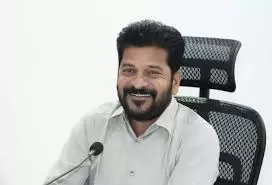
Hyderabad: The Cabinet, at a meeting chaired by Chief Minister A. Revanth Reddy on Monday, has decided to safeguard the interests of Telangana-native students in the upcoming MBBS admissions. The Cabinet directed Advocate-General A. Sudarshan Reddy to present robust legal arguments before the Supreme Court, particularly concerning GO 33 issued by the state government which grants preference to Telangana natives in medical college admissions.
This case is slated for hearing on August 5.
Following the Cabinet's decision, health minister Damodar Rajanarsimha swiftly engaged in a meeting with Advocate-General, leaving the Cabinet meeting and rushing to his residence. The focus of their discussions was on devising a legal strategy to ensure that Telangana students retained their rightful share of MBBS seats in the counselling session to be conducted by the Kaloji Narayana Rao University of Health Sciences (KNRUHS).The state government had implemented GO 33 last year, ensuring that students who are locals to the state are given preference in medical admissions. Students from other states who had studied in Telangana and were not classified as locals had challenged this policy, seeking the right to apply for state quota medical seats.
Minister Rajanarsimha, in his meeting with Advocate-General Sudharshan Reddy, urged that a strong case be made in favour of local students. He also suggested that, if necessary, assistance from senior legal experts be sought to bolster their arguments in the apex court.
This legal battle comes against the backdrop of a recent observation by the Supreme Court on July 25, which had criticised the Telangana government’s domicile policy for medical seat allocations. The apex court expressed its dissatisfaction with the state policy, stating that it was "far removed from ground reality."
The policy stipulates that to qualify for state quota medical seats, a student must have completed their Class 9 to 12 education within Telangana. The court pointed out that many students travel to other states, such as Rajasthan's Kota, to avail of better coaching opportunities and should not be penalised for this when seeking admission under the state quota.
The Supreme Court bench further stated that students whose parents are residents of Telangana, regardless of where they have studied, should be eligible for state quota medical seats. This ruling has sparked a wave of legal and public debate, especially among students who are now hoping that the state government will take the necessary legal steps to protect their rights.
