Liquor Worth ₹45 Crore Sold In Karimnagar For Dasara

On October 1 alone, liquor worth approximately ₹16 crore was sold across the district: Reports
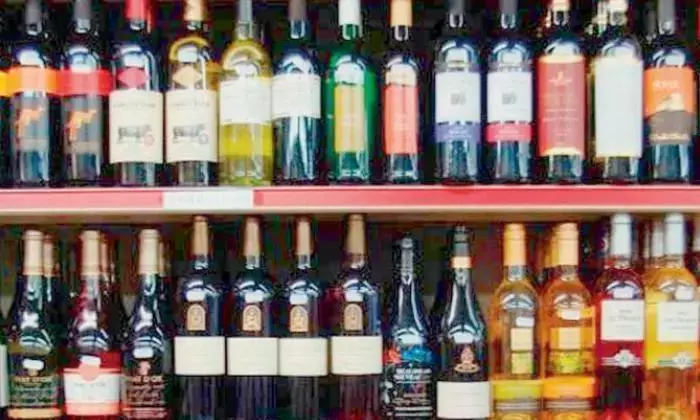
KARIMNAGAR: The Dasara festival led to big excitement in villages and towns of erstwhile Karimnagar district, with record-breaking liquor sales in just one week leading up to Dasara, followed by Pilla Dasara on Friday. Total liquor sales crossed ₹45 crore, proving that the festive spirit was stronger than ever.
In rural parts, there’s a popular saying, “Without meat on the plate, the drink doesn’t go down smoothly.” For many, Dasara is incomplete without the combination of alcohol (chukka) and non-vegetarian food (mukka). The festival marks the biggest occasion for this custom.
Even though Dasara coincided with Gandhi Jayanti, a dry day, liquor sales were 14 per cent higher than in previous years. The spike showed people’s determination to make this Dasara bigger than ever, as many purchased and stocked liquor a day in advance.
On October 1 alone, liquor worth approximately ₹16 crore was sold across the district.
Initially, liquor traders and excise officials feared the dry day restrictions would hurt sales. However, people rushed to liquor shops a day before the holiday, leaving many outlets completely empty by evening. This heavy advance buying ensured that even with the closure on Gandhi Jayanti, total weekly sales soared past ₹45 crore.
Anticipating alcohol-free and meat free holidays, people stocked up early, some even a week in advance, fearing shortages. They made sure to have enough liquor and meat ready to celebrate in their traditional way, effectively ignoring government restrictions.
The coincidence of Dasara and dry day turned into a windfall for liquor traders and illegal belt shops. Some traders reportedly diverted large quantities of liquor from official depots to unauthorised outlets, which sold bottles at exorbitant prices on the festival day.
People unwilling to celebrate without their traditional mukka and chukka ended up paying ₹200 to ₹300 extra per full bottle. Many expressed anger, alleging that this illegal trade occurred under the watch of the excise department. Despite the government’s annual ban and clear guidelines, festival traditions once again took precedence over official restrictions.