Krishna region was first to praise Gajanana

The book, which was launched on Saturday, brings together nearly 2,000 years of literary, archaeological and epigraphic evidence.`
Hyderabad: The Krishna river region along the Telangana-Andhra Pradesh have played a key role in the early evolution of Lord Ganesh, according to a new book ‘Mushika Vahana Gajanana — Evolution of Ganapati in Telangana’ written by Dr Satyanarayana Dyavananpalli.
The book, which was launched on Saturday, brings together nearly 2,000 years of literary, archaeological and epigraphic evidence.
Speaking to Deccan Chronicle, Dr Dyavanapalli said that earlier scholars identified South India as an important region in the early development of Lord Ganapati.
However, an important question remained as to where, specifically, this evolution took place.
Dr Dyavanapalli explained that the book attempted to trace the movement and diffusion of Ganapati from the Telugu-speaking region towards North India and other parts of the Indian subcontinent.
He said the concept of Ganapati has emerged from the idea of Universal God representing the shape of the globe with the earliest reference found in the Rigveda.
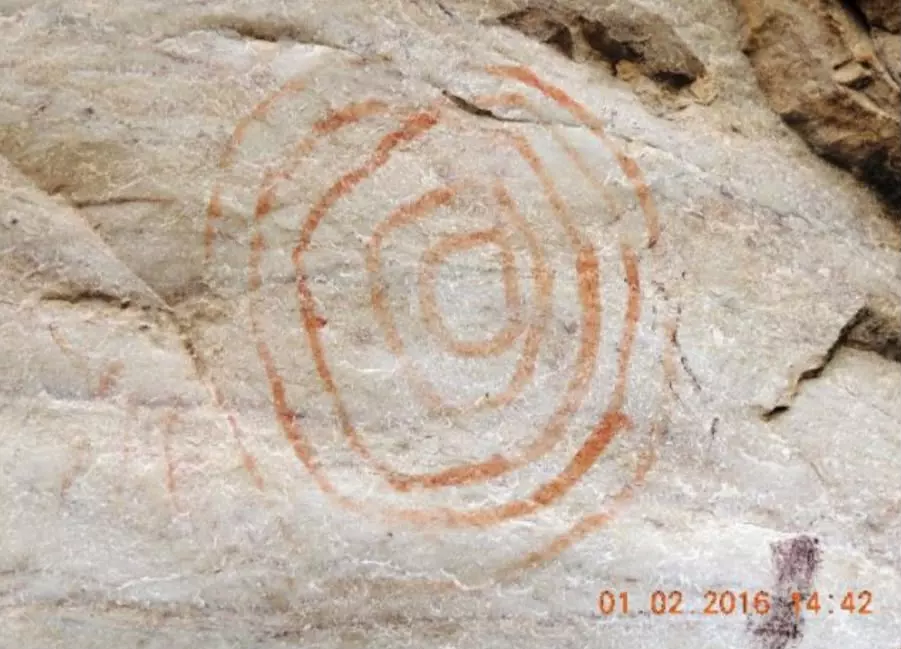
Its archaeological reference can be seen at the Somasila Amaragiri caves where rock paintings depict Brahmanaspati, the earliest name associated with Ganapati, he said.
The material evidence has also been found along the banks of the Krishna river.
A terracotta sculpture was discovered during the excavations at Veerapuram, Mahabubnagar district, while an elephant faced figure can be seen on the stupa panel at Amaravati in Andhra Pradesh.
He said the literary reference to Lord Ganapati dates back to 2,000 years.
The Satavahana emperor Hala compiled ‘Gatha Saptasati’, which contains references, while his court poet Gunadya written ‘Brihathkatha’ also mentions Ganapati.
The earliest inscriptional reference which was also found at Velpur in Palnadu district records about the references found at Amarabad, (which was earlier called as Amaravati).
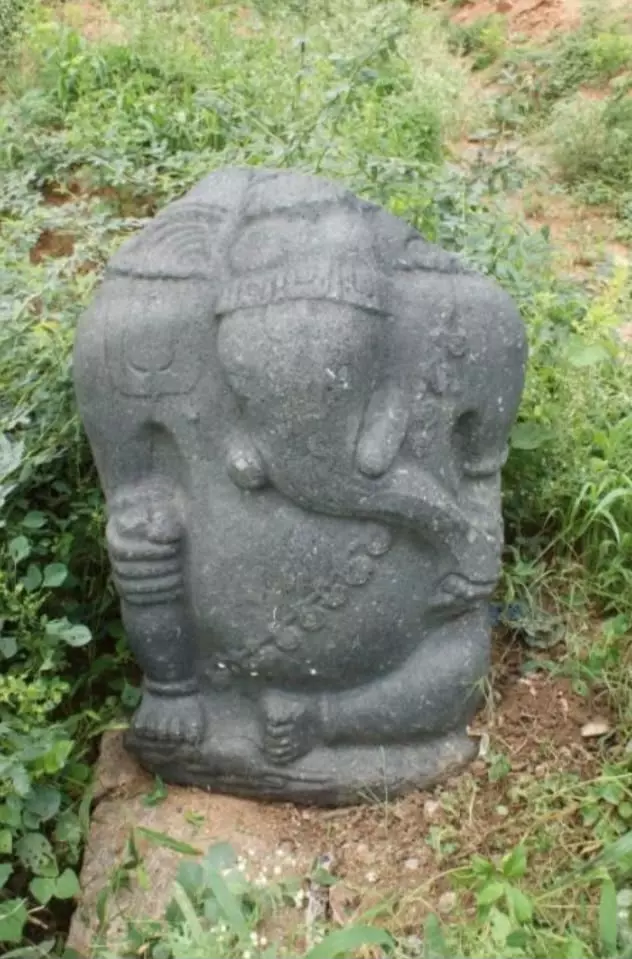
A sculpture of Lord Ganapati idols, known as Venkayya, is found there.
The inscription mentions the sculpture as Dantamukha Swamy and dates to the fifth century.
After the Vishnukundin kings defeated the Pallavas, the sculpture was created, he said.
From the fifth century onwards, the concept of Lord Ganapati spread to different parts of north and south India. The Bhumara temple, built during the Gupta period, has a Ganesh sculpture.
Madhava Varma, a Vishnukundin king who created the Dantamukha swamy in Amarabad, had a matrimonial alliance with the Guptas, through which it spread their, he said.
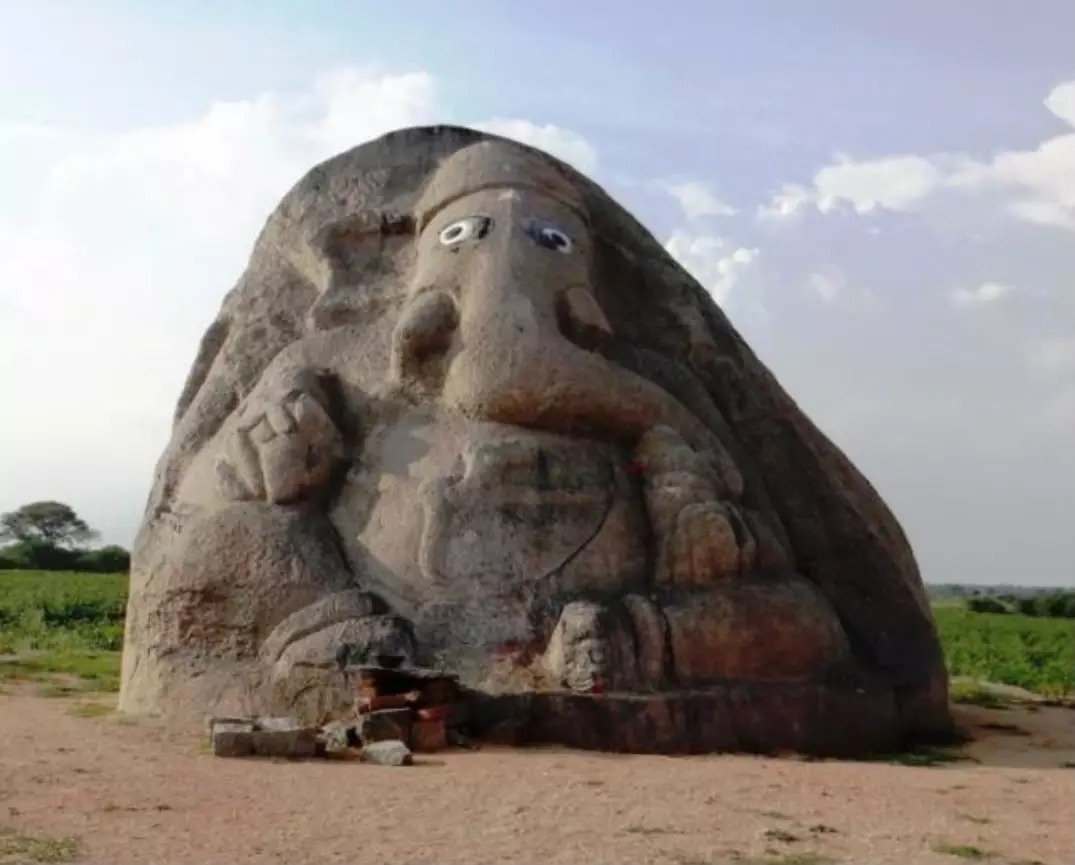
Telangana is also home to one of the tallest monolithic Ganesh sculptures.
The 22-foot-tall sculpture, carved out of granite at Avancha village, dates to 1113 CE and belongs to the Chalukya period.
The concept of ‘Mushika Vahana Gajanana’ is also linked to the Musi river.
An inscription dating to the first century BC found at the Udayagiri and Khandagiri caves near Bhubaneswar records the Kalinga king Kharavela stating that he defeated the Mushikanagara king.
Mushikanagara was located near the Sangam region, he said.
However, he said the tradition of street Ganesh celebrations began in 1893 in Pune, while similar celebrations started in Hyderabad in 1895.
The tradition of installing the tallest Ganesh idol in Khairatabad began in 1955.