Kawal A Blackhole For Tigers, No Big Cats For 13th Year In A Row
Three tigers were found in the fragmented corridor forests in KB Asifabad and Mancherial districts, according to official sources.
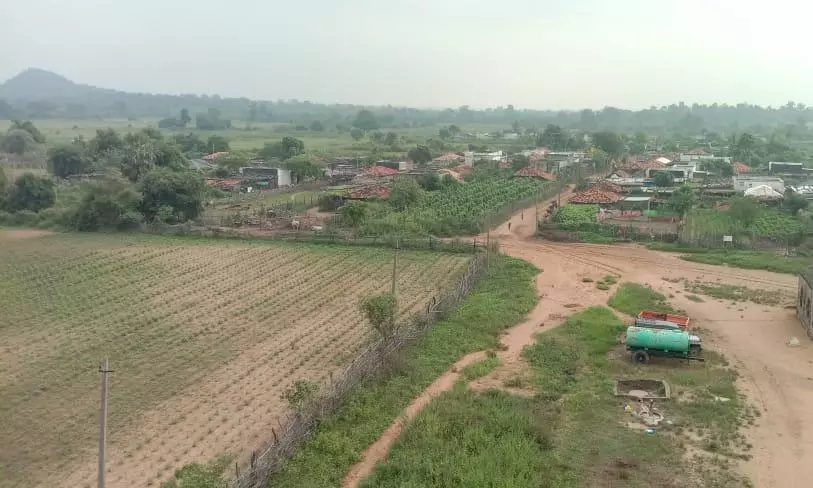
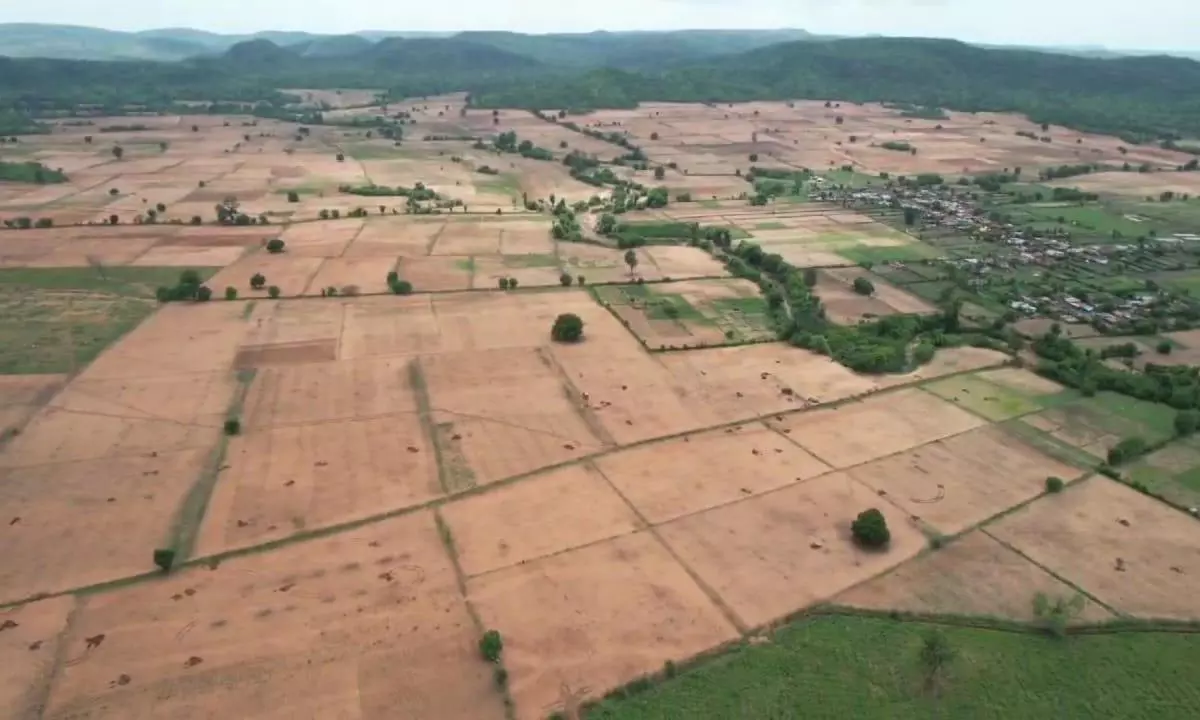
Hyderabad: The Kawal tiger reserve which had, over the past decade, turned into a disaster as a tiger reserve, and is now set to extend its dubious distinction of becoming the only tiger reserve in India without tigers. The 2026 All India Tiger Estimation exercise found zero tigers in Kawal, making this year the 13th in a row that the reserve has gone without a single resident tiger. The last reported tigers in the reserve were during 2013-14.
Three tigers were found in the fragmented corridor forests in KB Asifabad and Mancherial districts, according to official sources.
“One of the biggest problems in Kawal is encroachments, and expanding podu cultivation, with many not having podu pattas but insisting that they should be allowed to cultivate in the forest patches that they have cleared,” a forest department official said.
According to Telangana forest officials, the tiger reserve, spread over 2,015.44 sq km, at present, has a little more than 1,50,000 acres under illegal encroachment, while another 2,52,000 acres are under podu cultivation, with or without pattas. Together, these to forest land categories, account for around 1,626 sq km, leaving a mere 389 sq km of relatively undisturbed forest, officials said.
Forest department sources said the officials in the reserve – covering parts of Nirmal, Adilabad, Mancherial, and KB Asifabad districts – were under tremendous pressure from leaders of all political parties not to take any action either on encroachments, or the expanding illegal podu activities.
“These encroachments are increasing day by day as adjacent forests are being cleared. Though podu pattas are given only for agriculture activities, in many of these areas, villages have come up, even permissions for Indiramma Illu are being given in podu lands which is completely against all rules. There are at least 200 illegal habitations in the core and buffer areas of the tiger reserve. In many of these villages, people have encroached on more than 40 to 50 acres of forest land per family,” a senior forest official said.
A recent scientific study had said that the number of prey animals was increasing in the reserve thanks to efforts to increase grasslands and water sources. However, wherever grasslands are available near the illegal 200 habitations, herbivore populations were under threat, the official said. There was also rampant hunting of wildlife with villagers using live electric wire traps in such areas, the official said, adding that taking any action is nearly impossible.
Forest officials said that as per scientific assessments, the Kawal reserve could hold 100 to 102 tigers comfortably, which can boost ecotourism on a huge scale. For instance, the Tadoba tiger reserve in Maharashtra from where some tigers migrate into Telangana, generates an income of around Rs.50 crore and more each year, much of which goes to the locals. If the government supports efforts to save the Kawal forests, then it too can turn into a good income source for locals, the officials said.
State must step in if Kawal to be saved: NTCA official
Hyderabad: The single biggest problem facing Kawal tiger reserve was that the state government was not backing its forest officials in protecting the reserve, according to a senior National Tiger Conservation Authority (NTCA) official.
Though there have been plans to introduce tigers into Kawal by translocating them from states like Maharashtra and Madhya Pradesh, which have good tiger populations, this prospect for now, appeared destined to stay on paper given the conditions in Kawal.
The conditions in Kawal were also discussed in detail at the two-day national workshop on ‘Tiger Reintroduction: Opportunities & Challenges’ in Alwar, Rajasthan on June 28 and 29.
“If any translocation or reintroduction of tigers has to happen for Kawal, the first point is that they have to turn the area into a conducive environment for tigers to come, and then stay,” the NTCA official told Deccan Chronicle. “This needs the second step which is creating absolutely inviolate spaces, which means encroachments must be removed. The third step is prey augmentation.”
“If Kawal has to have any future as a tiger reserve, then the biggest task is to change the mindset of people, to encourage them to be pro wildlife and conservation by convincing them that it actually is beneficial for them,” the NTCA official added.
