Judicial Panel Report on Kaleshwaram to Figure Prominently in Telangana Assembly Session

The shortage of urea, damage caused by the current spell of heavy rains and BC quota in local body polls are also likely to be debated
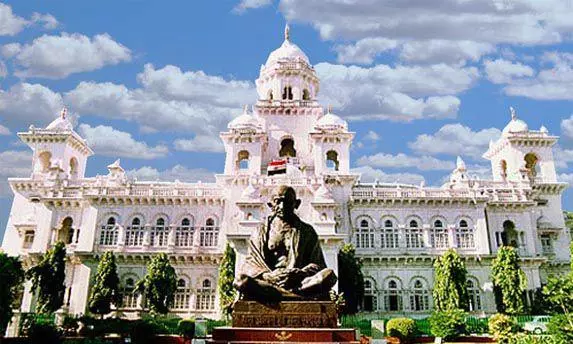
Hyderabad: The monsoon session of the Legislature Assembly and Council will commence on Saturday with fireworks expected over the Justice P.C. Ghose Commission report on the Kaleshwaram scheme and the demand for 42 per cent reservations for the Backward Classes (BCs) communities in local body polls.
While issues such as urea shortage, farmers’ protests and damage caused by the recent heavy rain could be used by the Opposition to corner the government, the BRS is expected to be on the back-foot during the Ghose commission report discussion. The BJP finds itself in a difficult spot.
Though keen to project itself as the main opposition, it faces heat over the Centre’s silence on BC reservations.
On the first day, however, the House would be adjourned after paying condolences to Jubilee Hills MLA Maganti Gopinath, who passed away in June.
Chief Minister A. Revanth Reddy will chair a Cabinet meeting in the Assembly committee hall after the adjournment of the House to decide on tabling Kaleshwaram report, holding local bodies elections and implementing 42 per cent reservations for BCs.
The state government is preparing to table the Justice Ghose commission report that indicted former chief minister K. Chandrashekar Rao for alleged lapses in the Rs 1.1 lakh crore Kaleshwaram project.
The report, submitted on July 31 after a 15-month inquiry, found “glaring irregularities” in the planning, design and construction of the Medigadda, Annaram and Sundilla barrages, including building on weak foundations and storing water beyond safe capacity. It held KCR “directly and vicariously” accountable for bypassing cabinet procedures and suppressing expert warnings.
The commission also noted that a 2015 report cautioning against the Medigadda barrage was ignored, and alleged that decisions were taken unilaterally. Structural failures, particularly the sinking of piers at Medigadda in 2023, raised questions about the project once touted as the BRS government’s flagship.
Chandrashekar Rao and former irrigation minister T. Harish Rao have challenged the findings in the High Court, arguing denial of natural justice and alleging political motivation. The court, however, directed that the report be debated in the Assembly before considering their petitions.
The Congress government, seizing the opportunity, is framing the project as an economic disaster. Irrigation minister N. Uttam Kumar Reddy is likely to table the report, with discussions beginning on September 1. Opposition BRS has sought permission to present its own defence through a PowerPoint presentation, though the government may reject the request citing Chandrashekar Rao’s denial of a similar demand by the Congress in 2015.
Sources suggest Chandrashekar Rao may skip the session, leaving Harish Rao to lead the defence.
The government is also expected to press the Centre on 42 per cent BC reservations. Two Bills passed earlier to provide a 42 per cent quota in education, employment and local bodies remain pending with the President Droupadi Murmu. The state government has accused the BJP-led Centre of stalling them, while exploring legal and administrative alternatives to ensure the quota in upcoming polls.
