ICMR-NIN Develops Practical Diet Diversity Score for Children

Deficiencies of iron, calcium, vitamin B12 and vitamin A can adversely affect children's growth, immunity, cognitive development and academic performance, even in the absence of visible signs of malnutrition.
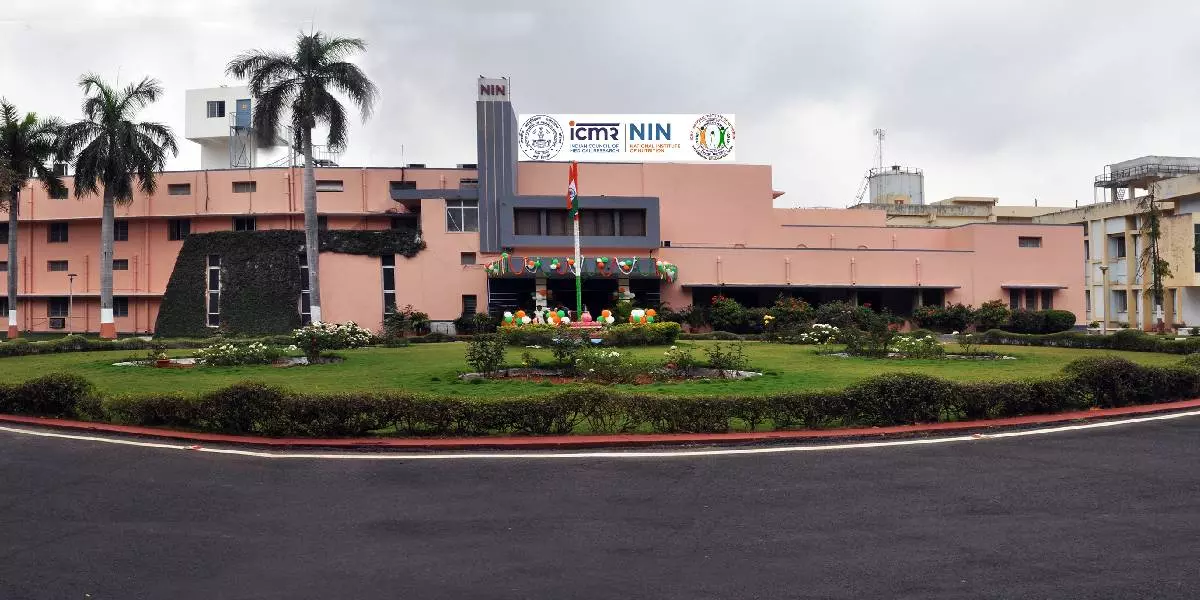
Hyderabad:Researchers at the National Institute of Nutrition (ICMR-NIN), Hyderabad, have developed a simple, context-specific dietary screening questionnaire to identify diet diversity and the risk of micronutrient deficiencies among school-age children (6-10 years).
According to the findings, which have been published in the European Journal of Clinical Nutrition, micronutrient deficiencies, including deficiencies of essential vitamins and minerals, remain a major public health challenge, particularly in low- and middle-income countries such as India.
Deficiencies of iron, calcium, vitamin B12 and vitamin A can adversely affect children's growth, immunity, cognitive development and academic performance, even in the absence of visible signs of malnutrition.
Recognising the importance of dietary diversity in ensuring nutrient adequacy, the ICMR Dietary Guidelines for Indians (2024) recommend consuming a variety of foods from diverse food groups. Building on this principle, the ICMR-NIN research team developed a Diet Diversity Score (DDS) specifically for Indian children aged 6-10 years.
The study developed a 13-food-group scoring system, classifying commonly consumed foods into context-specific groups based on their micronutrient content. Foods rich in vitamin A, including green leafy vegetables, carrots, capsicum, onion stalk, papaya and mango, were treated as a separate category to improve the sensitivity of micronutrient assessment.
Dr Subba Rao M Gavaravarapu, Scientist G, ICMR-NIN, who led the study, told Deccan Chronicle, "The parents of the children can replace their regional foods in the 13 food group chart, for example, in some places leafy vegetables like spinach are familiar and in a few places fenugreek leaves. They can also look at fruits to replace. Diet diversity is one of the most practical indicators of diet quality. By converting complex dietary assessment into an easy-to-use scoring tool, this DDS offers a promising approach to identify children at risk of micronutrient inadequacy and supports timely nutrition interventions."
Another key feature of the tool is the use of a minimum intake threshold of 5 grams, enabling the DDS to capture even small but nutritionally meaningful amounts of food.
The tool showed a significant correlation with overall micronutrient adequacy and haemoglobin levels. The study found that children consuming foods from 10 or more of the 13 food groups, with at least 5 grams from each group, were significantly more likely to achieve diets meeting at least 70 per cent of daily micronutrient requirements.
"The DDS has the potential to support school health programmes, ICDS, teachers, parents, nutritionists and public health professionals in rapidly screening children's dietary quality. However, further multicentric validation across diverse regions and food environments in India is essential before large-scale implementation," said Dr Bharati Kulkarni, director, ICMR-
