Hyderabad, Bengaluru Flagged as Bioeconomy Hubs

NITI Aayog has identified Hyderabad and Bengaluru as India’s key bioeconomy hubs, projecting the sector to grow to $1.36 trillion by 2040.
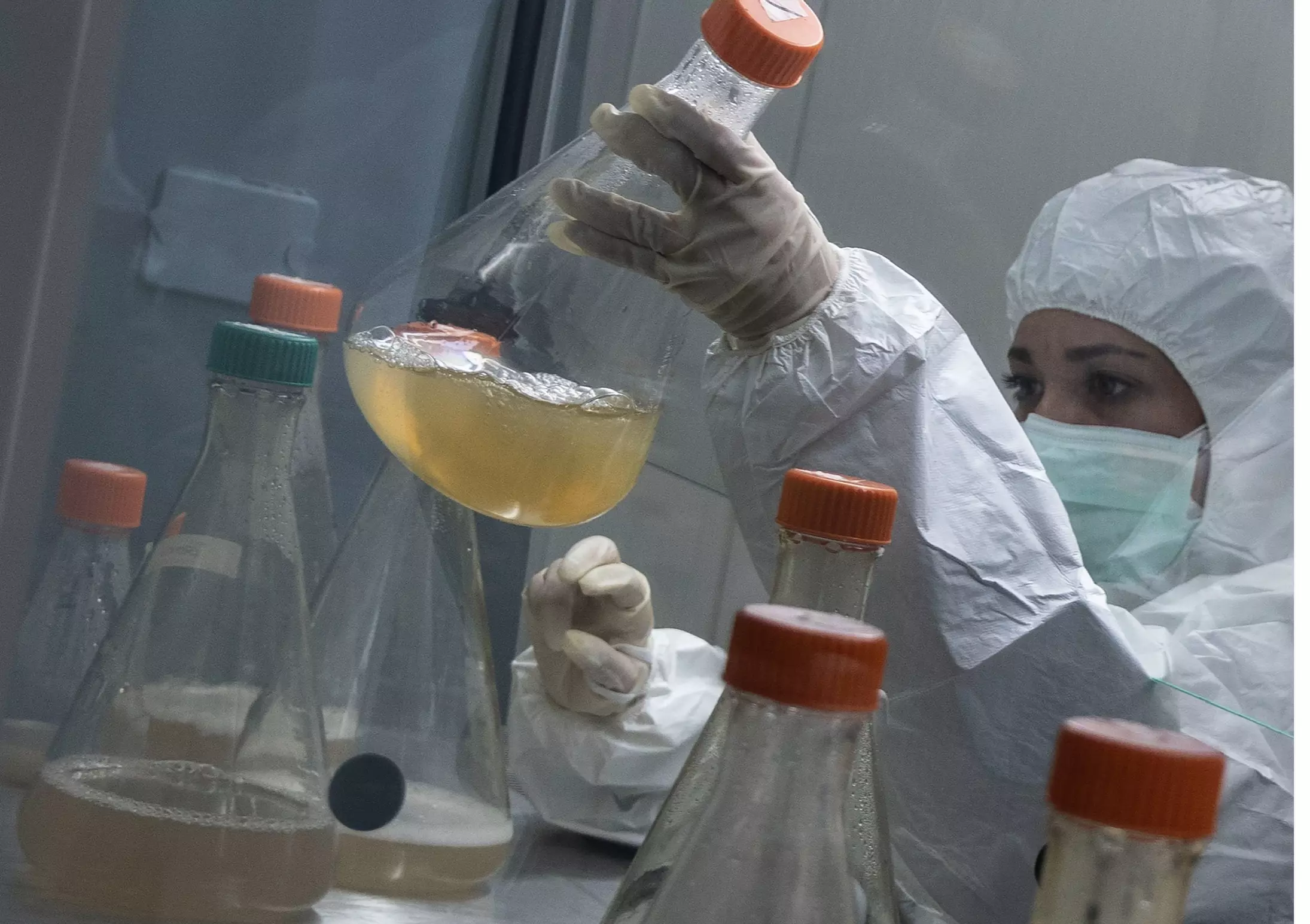
NITI Aayog’s Roadmap for Building India as a Leading BioEconomy Powerhouse by 2035 projects India’s bioeconomy to grow from $195 billion in 2025 to $1.36 trillion by 2040, with Hyderabad and Bengaluru identified as twin hubs driving this transformation. Global forecasts cited in the report suggest the bioeconomy could contribute up to 12–13 per centy of global GDP by 2050.
The report credits India’s rapid sectoral expansion to production‑linked incentives, national biotech parks and proactive state life‑sciences policies that have catalysed investments and startups. Telangana, Karnataka and Gujarat have implemented tailored incentives, subsidised land and single‑window facilitation, accelerating clustering of life‑sciences activity.
Hyderabad’s strengths — established pharma and biologics clusters, national research institutions, biotech parks and translational infrastructure — position it to capture a significant share of growth. Policy support, subsidised land and industry–academia partnerships have built a dense ecosystem for R&D and scale‑up manufacturing, attracting global firms and capital commitments.
Bioeconomy consultant Ramesh Iyer said Hyderabad’s manufacturing heritage, clinical research depth and strong talent pipelines give it an edge. He recommended scaling shared biomanufacturing facilities, investing in digital bio‑infrastructure such as AI design platforms and biosensor‑based quality systems, and deploying targeted de‑risking finance to attract long‑term private capital.
Economic upside for Hyderabad includes higher‑value manufacturing, skilled biotech employment, expansion of ancillary sectors such as cold chain and specialty chemicals, and rising exports of biologics. Aligning state incentives with national PLI programmes and the National Biotech Park scheme could help Hyderabad mirror Bengaluru’s growth while leveraging its stronger manufacturing base.
NITI Aayog’s benchmarking highlights varied global pathways — the US’s whole‑of‑government biomanufacturing push, the EU’s regulatory coherence, China’s plan‑led industrial scale‑up and Australia’s translation‑focused model. For Telangana, the takeaway is clear: coordinated state action to build manufacturing‑ready infrastructure, skills and standards will be critical to seize the expanding bioeconomy opportunity as India transitions from incentives‑led growth to large‑scale commercial biomanufacturing.
