High Wildlife Road kills Reported In Kawal Tiger Reserve
All the roadkill were recorded in just the two-month study period: Reports
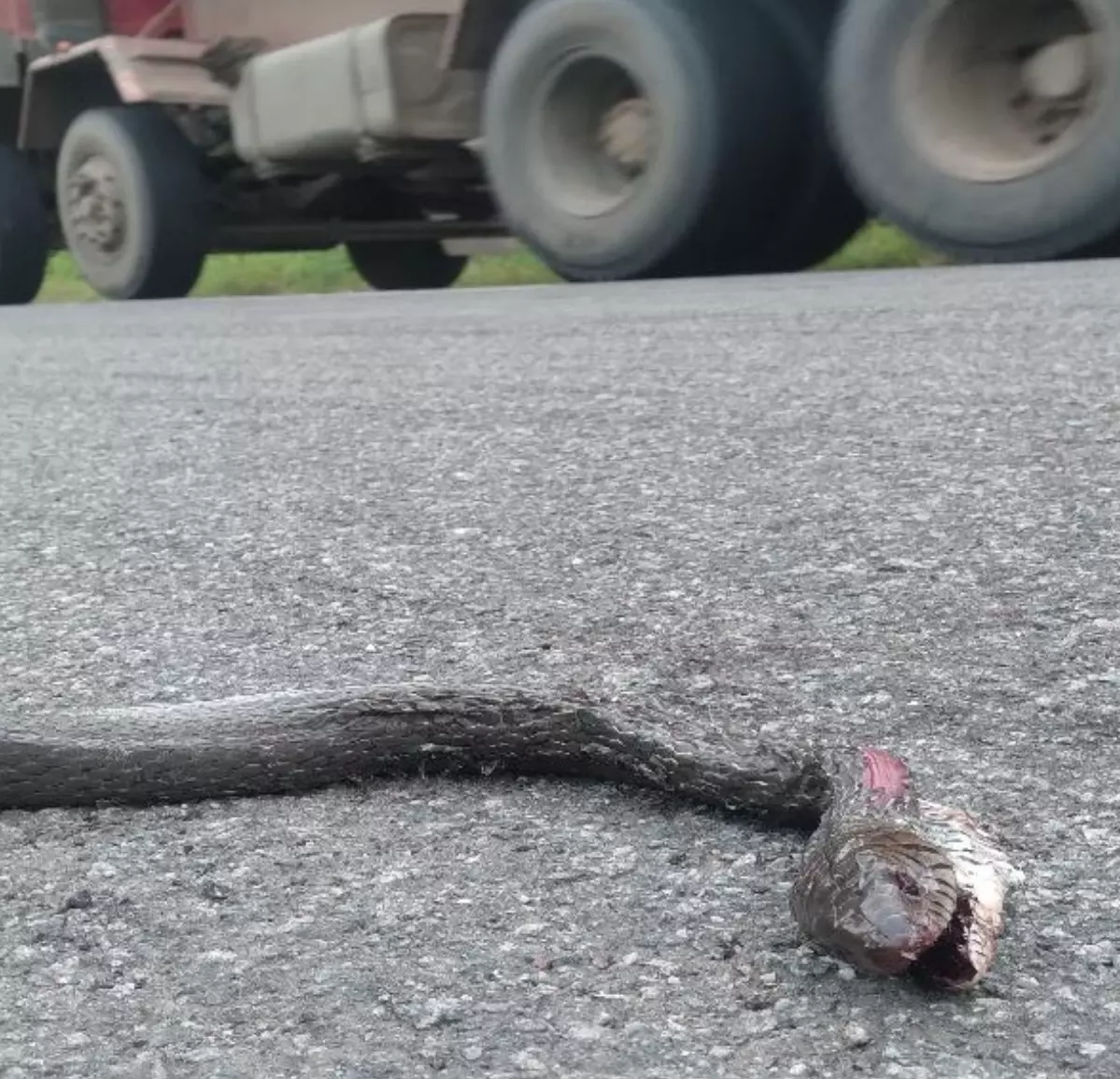
HYDERABAD: Last year’s decision of the forest department to allow heavy vehicle traffic to pass through the Kawal tiger reserve has resulted in wildlife getting killed by speeding vehicles, a new study has found.
The study found that just in September and October of 2025, two months after the road was opened in August during the day, resulted in 873 wildlife roadkills on the Jannaram-Nirmal, Adilabad-Jannaram, Jannaram-Mancherial roads that pass through the reserve.
The study, the first of its kind in the Kawal tiger reserve, said the highest mortality of wildlife was near the crossroads in the Birsaipet segment, just over a half kilometre stretch, and most animals were found killed near water bodies. The study also recommended the need for speed restrictions, speed breakers, and signage warning road users of wildlife using the three roads if the roadkills are to be reduced.
Though day time traffic was allowed through the reserve since its establishment in 2012, heavy vehicles were not allowed to use these roads as the National Highways Authority of India had developed a bypass skirting the reserve between Adilabad and Nirmal. Following intense pressure from transporters and local politicians who complained that the bypass was longer and cost more to travel, the forest department had on August 4, 2025, permitted heavy vehicles, mainly transportation trucks, to pass through the reserve.
The study ‘Mortality of animals due to vehicular collisions at Kawal Tiger Reserve, Telangana, India’ by a student of AVC College of Annamalai University, said the 873 roadkill on the three stretches of the road over a total distance of 54 km, comprised 58 species including jungle cats, Indian palm civet, various species of birds, amphibians and reptiles.
According to the researcher Sunderareshwaram Sundara Vadivel, “29 kills involved near threatened species including Indian rock python, Indian flying fox, and one vulnerable species, the flapshell turtle. This study only documented the road kills and not the other impacts of heavy vehicles or speed moving vehicles.”
At least 98 of the animals killed — 45 amphibians, 33 snakes, 12 birds, and eight rodents —were so mangled that they could not be identified other than being managed to be grouped into the broad category they fell in, the study said. All the roadkill were recorded in just the two-month study period.
