The camp, organised jointly by ICAR–National Meat Research Institute (NMRI), Hyderabad, and AIIMS Bibinagar under the One Health initiative, provided clinical care and preventive awareness as part of the Janjatiya Gaurav Varsh Pakhwada observance.
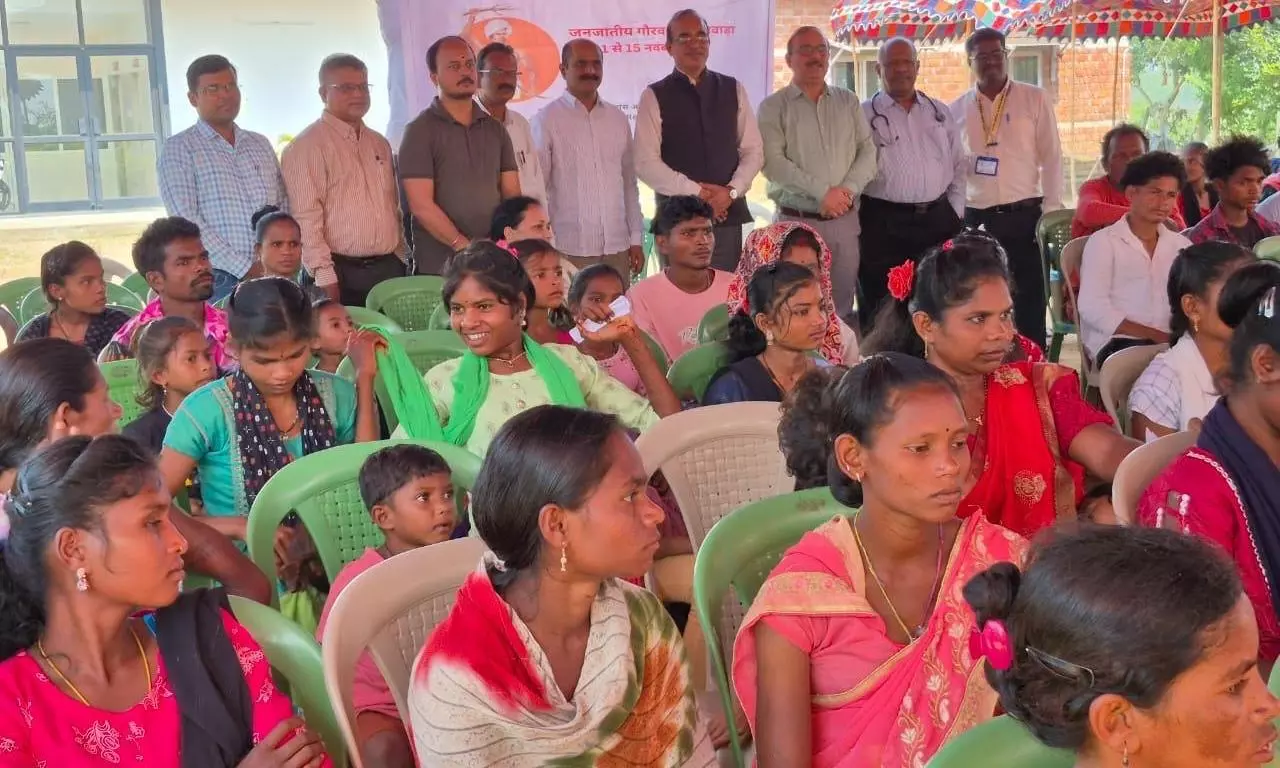
Hyderabad: A detailed health assessment of the Koya and Gond tribes in Bhadradri Kothagudem has revealed a significant burden of anaemia, malnutrition, malaria, tuberculosis and recurrent respiratory infections, particularly among women and children.
The findings emerged during a One Health outreach programme held at Laxmidevipally mandal, where tribal families living in scattered forest settlements with limited access to health services participated in large numbers. Poverty, geographical isolation, language barriers and dependence on traditional healing practices continue to heighten their vulnerability, underscoring the need for sustained, community-specific public health interventions.
The camp, organised jointly by ICAR–National Meat Research Institute (NMRI), Hyderabad, and AIIMS Bibinagar under the One Health initiative, provided clinical care and preventive awareness as part of the Janjatiya Gaurav Varsh Pakhwada observance. Doctors from AIIMS Bibinagar — including specialists in obstetrics, paediatrics and clinical microbiology — offered consultations focused on maternal and child health, anaemia, undernutrition and respiratory infections. Around 150 tribal residents attended the camp, where hygiene and sanitary kits were distributed to encourage behavioural change.
A key component of the programme was the collection of human serum samples for zoonotic disease surveillance, along with animal and environmental sampling by NMRI teams. This integrated monitoring supports early detection of zoonotic pathogens in tribal habitats. Community-friendly educational material, translated into the local language, helped improve understanding of hygiene, nutrition, sanitation and prevention of vector-borne diseases.
Experts involved in the outreach noted that the field data highlights persistent health inequities in tribal regions. Prof. Rahul Narang said such One Health initiatives strengthen health literacy, disease surveillance and trust between institutions and vulnerable communities.

