H1N1 Cases Rise: Fever Hospital Sees 500 Outpatients a day

Doctors advised handwashing, covering coughs and sneezes, wearing masks if symptomatic, and avoiding close contact when unwell
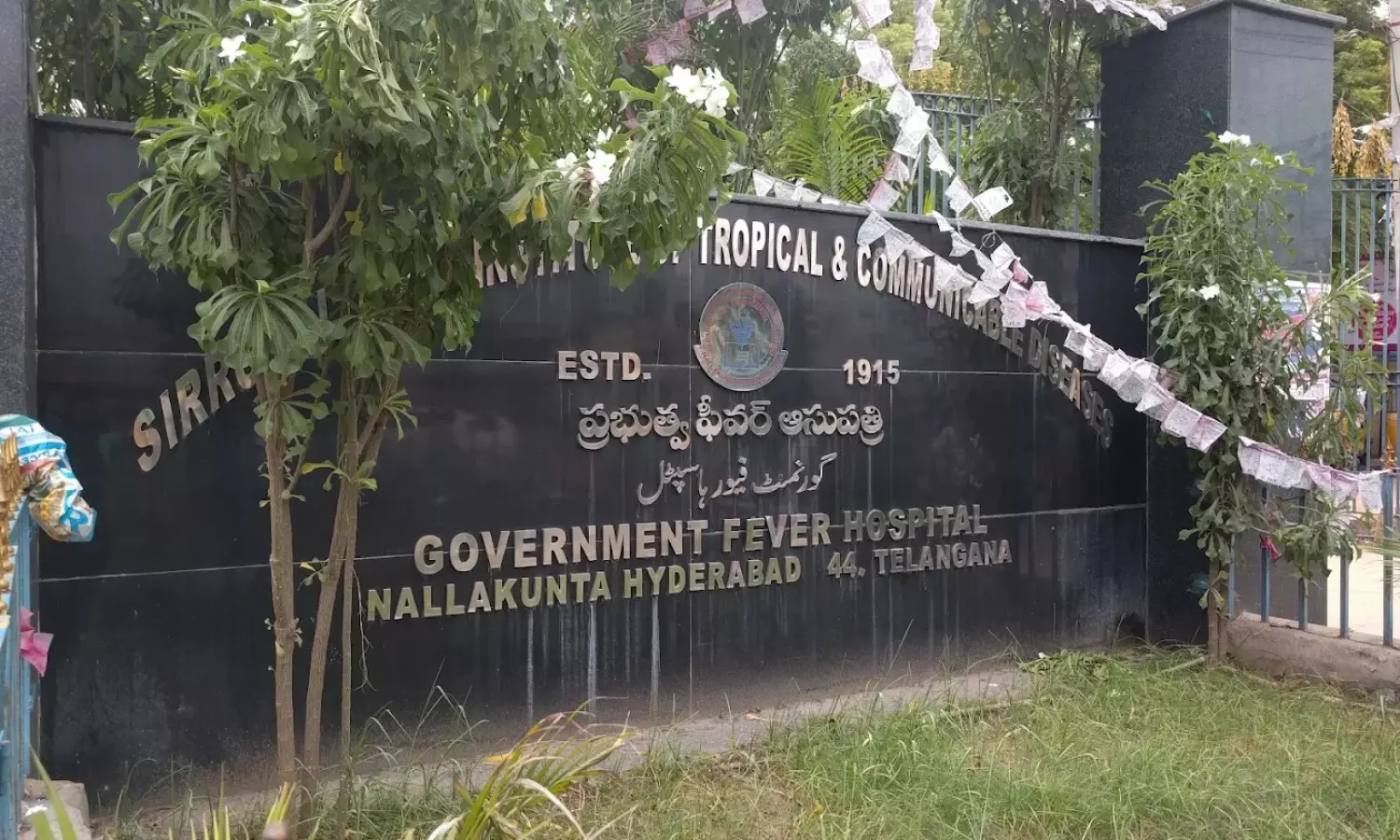
Hyderabad: Fever Hospital, Nallakunta, is witnessing a rise in patients with flu like symptoms amid increasing H1N1 cases, with the hospital receiving around 500 outpatients a day and 54 inpatients on Sunday. In-charge superintendent Dr Musakhan said doctors were conducting RT-PCR tests and also using influenza kits on patients showing symptoms suggestive of H1N1.
The rise in cases is being reported due to monsoon conditions, high humidity and changing weather, which can favour the spread of respiratory viruses.
Dr Jalagam Thirupathi Rao, Professor of General Medicine, Gandhi Hospital, said crowded places, schools, offices, public transport and poorly ventilated indoor spaces can facilitate person-to-person transmission of influenza. Children can also contract the infection at school and subsequently spread it to family members at home.
Common symptoms include fever, cough, sore throat, runny or blocked nose, body aches, weakness and fatigue. However, doctors said these symptoms can also occur with other viral infections and not every fever could be due to H1N1.
Paediatrician Dr Sivaranjani Santosh urged parents not to panic and advised them to focus on hydration and appropriate temperature control rather than aggressively trying to bring down fever. She said parents should consult a doctor if fever persisted for more than five days, while infants with fast breathing require prompt medical attention. Children with flu symptoms should also be kept away from school to prevent transmission.
Dr Chaitanya Challa, senior consultant, general medicine, said most otherwise healthy people with H1N1 recovered with adequate rest, fluids and appropriate symptomatic treatment. “It is because of monsoon conditions. Not everyone with fever or respiratory symptoms needs to be tested for H1N1,” Dr Challa said, adding that testing depends on the severity of symptoms, risk factors and clinical assessment. When required, H1N1 can be confirmed through respiratory samples using RT-PCR or other molecular tests.
Doctors advised frequent handwashing, covering the mouth and nose while coughing or sneezing, wearing a mask when experiencing respiratory symptoms and avoiding close contact with others while unwell. They also cautioned against self-medication, particularly antibiotics without a prescription.
People with persistent high fever, breathing difficulty, chest discomfort, worsening cough or severe weakness should seek medical attention promptly. Senior citizens, young children, pregnant women and people with underlying health conditions should take extra precautions.
