Government Launches Massive Cleanup of Welfare Hostels; Officials Tasked With ‘Food Tasting’ & Inspections

Chief Secretary K. Ramakrishna Rao reviewed the programme with district collectors and special chief secretary Sabyasachi Ghosh issued the day-wise plan.
Hyderabad: A statewide sanitation drive across welfare hostels and residential institutions began on Monday as the government rolled out its welfare week under the 99-day Praja Palana — Pragati Pranalika programme, with inspections, cleaning work, and field visits reported from multiple districts.
The first day’s exercise followed written instructions from the welfare department that required every district to inspect at least two to three institutions per officer and cover kitchens, store rooms, dining halls, toilets, drainage, and drinking water facilities. Officers were told to check whether the common diet menu is being followed, whether food safety committees exist, and whether utensils and cooking areas are cleaned with soap. A reporting format circulated for the day includes entries on expiry dates of supplies, use of purified water, and whether inspecting officers tasted the food.
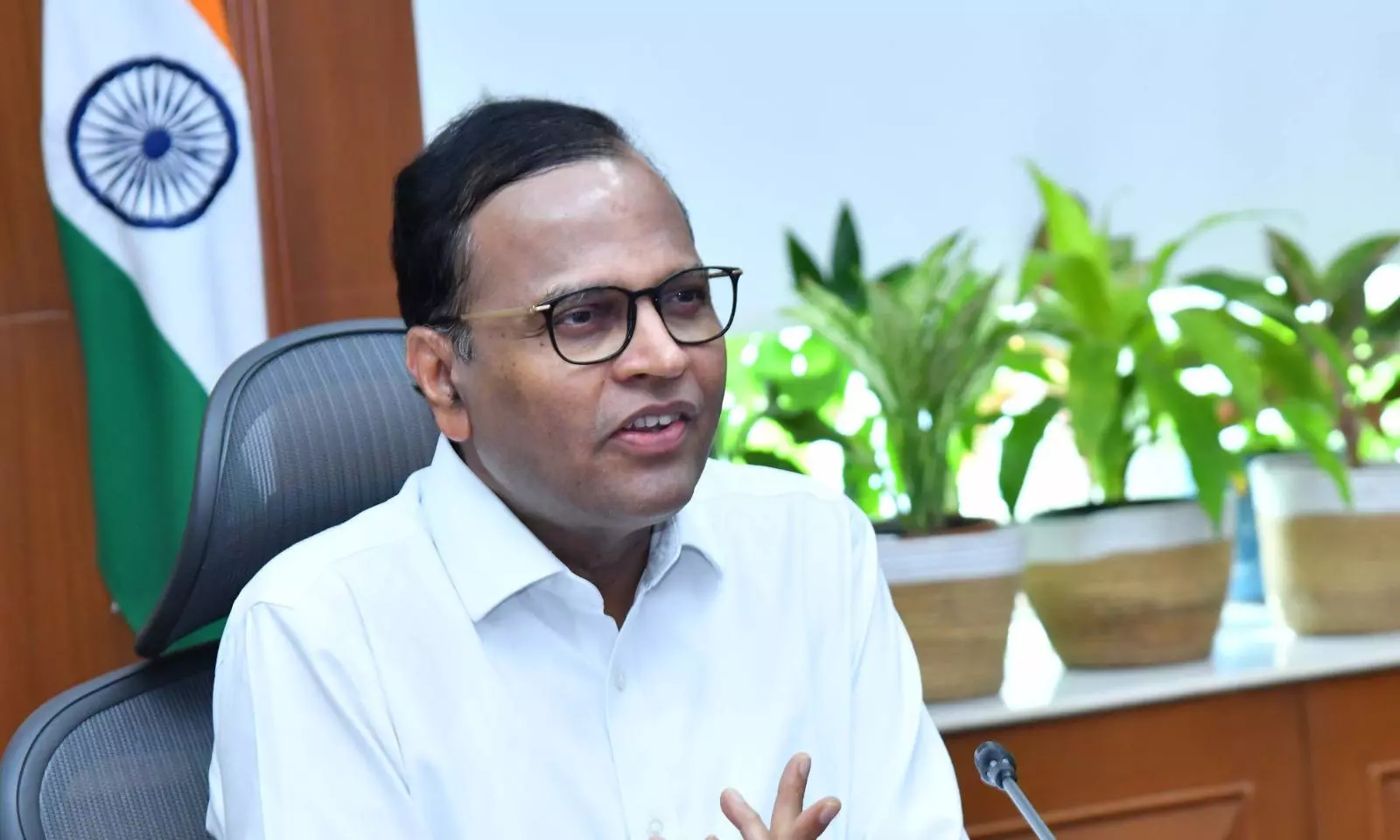
Chief Secretary K. Ramakrishna Rao reviewed the programme with district collectors and special chief secretary Sabyasachi Ghosh issued the day-wise plan. Ghosh told collectors to monitor each activity and send a consolidated report.
Officials moved through kitchens, dining halls, corridors, and wash areas through the day. Nalgonda district reported cleaning drives across hostels run by the Scheduled Caste development department, and the deputy director inspected both girls’ and boys’ hostels. A special officer visited a college girls’ hostel in Kodad, as part of the first day’s mandate.
Images showed workers scrubbing floors in large dormitory rooms where water pooled across the surface before being cleared.
For students
The welfare week will see sanitation drives at state-run schools and hostels, along with a range of activities.
April 21: Student talent test with quizzes, debates, and drawing competitions
April 22: Repair work in hostels and residential schools, gaps to be identified and work completed before the end of the summer break.
April 23: Parent-teacher meetings, meritorious students to be felicitated and progress cards issued.
April 24: Focus on skill development programmes, with directions to involve multiple departments and compile a database of unemployed youth for training.
April 25: Summer camps covering sports, arts, music, digital literacy, and personality development.
April 26: Badi Bata enrolment drive, which seeks 100 per cent enrolment and retention of children for the 2026–27 academic year.
