According to fire safety specialist Gajarla Pratap Reddy, a pub must first meet fundamental structural criteria before it opens its doors to the public.
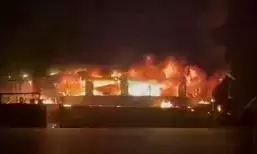
Hyderabad: The Goa nightclub fire has once again brought the issue of fire safety in pubs under scrutiny, with fire safety experts warning that many establishments continue to ignore basic structural norms and crowd-management protocols that are essential to prevent a disaster.
According to fire safety specialist Gajarla Pratap Reddy, a pub must first meet fundamental structural criteria before it opens its doors to the public. “An establishment needs to have a six-metre approach road to allow fire tenders to reach the building without obstruction, and a two-metre-wide entry and exit points to ensure crowd evacuation even under panic. People believe fire safety is only about equipment, but structural access is the first and most crucial layer of protection,” the retired officer explained.
Equipment, he pointed out, must be standard and fully functional — smoke detectors, sprinklers and fire extinguishers are non-negotiable. Pratap Reddy added, “Equally important is an evacuation plan that assigns specific responsibilities to staff members. During a fire, visibility drops, alarms go off, people panic — and most of the time, they are not sober. Unless staff are trained, they cannot guide the crowd”
None of the staff are prepared to handle fire mishaps. A staffer working at a popular pub in the city admitted that while the premises have emergency exits, they are not backed by any procedure.
“We do have exits, but nobody tells us what to do in a fire. There is no assigned duty and no training. If something happens, we will panic along with the crowd,” he told Deccan Chronicle.
According to him, one of the most common causes of pub fires is the presence of combustible material near the main electrical board, leading to swift flame spread when a spark or short-circuit occurs.
“Kitchen flames can jump instantly if paper, plastic or packing material is left close to burners. Even an oil spill on a hot surface can flare up. That is why a clear separation is essential,” he said.
The risk increases sharply in pubs that use spark-producing effects or flame-style event props, which can ignite flammable décor if placed too close.
Calling for stringent regulatory compliance, he said that a No-Objection Certificate (NOC) from the fire department works as a deterrent for the management.
“An NOC will be issued by the fire department only after all safety systems are in place. It forces management to comply because they know renewal depends on maintaining standards,” he said.
In view of manpower shortage, the department has allowed third-party auditors to conduct most NOC renewals. They charge the establishments around Rs 10,000 per assessment.