Genomic Study Solves Mite-Tick Evolution Puzzle

The research analysed not just gene composition but also the physical order of genes on chromosomes, tracking their movements like an evolutionary GPS. “Think of it like a deck of cards.
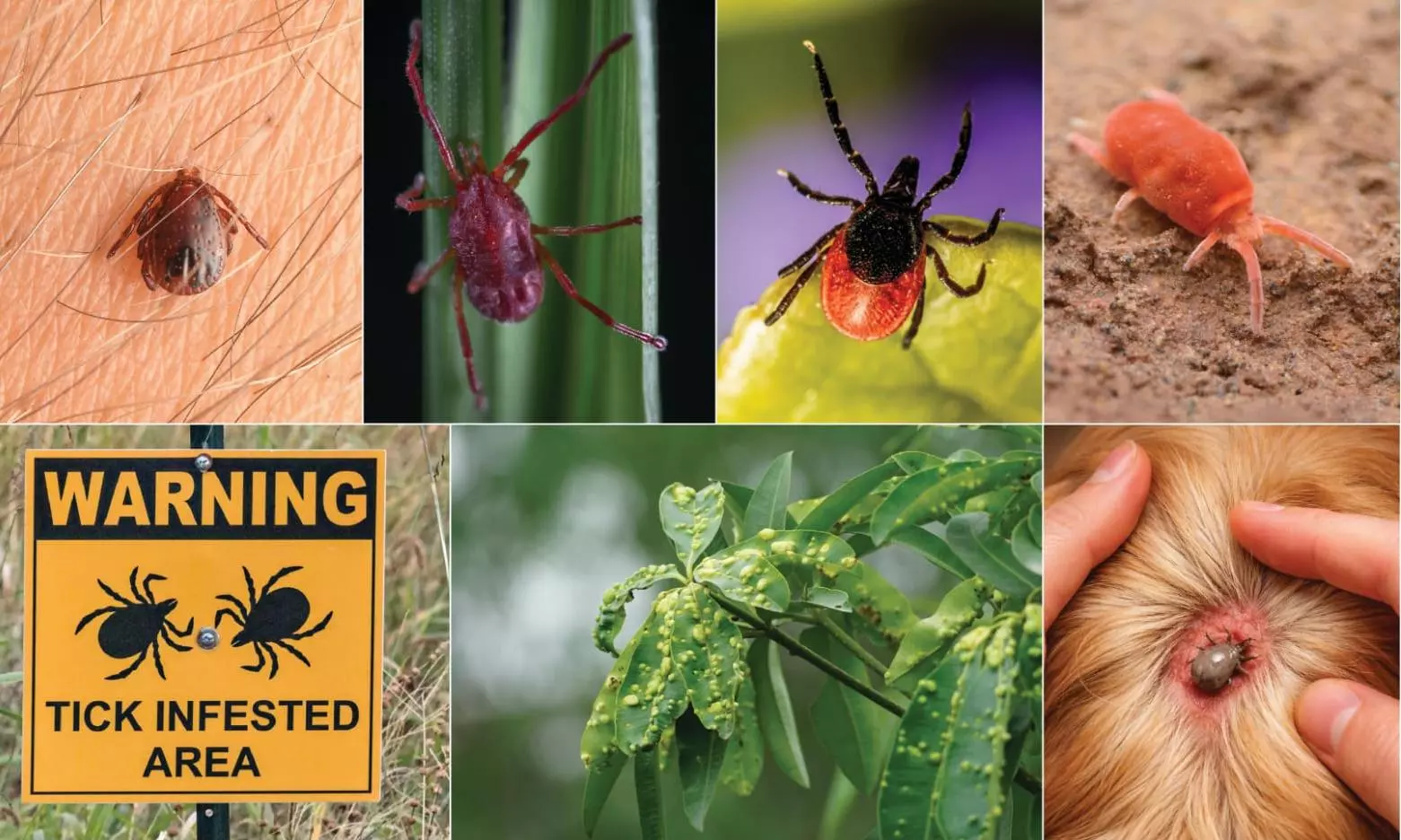
HYDERABAD: A new genomic study by researchers at the Centre for Cellular and Molecular Biology (CCMB) has solved a long‑standing evolutionary puzzle of mites and ticks, revealing how parasitism arose and diversified over 100 million years.
Led by Dr. Siddharth Kulkarni, Ramanujan faculty member at CSIR‑CCMB, along with three undergraduate students from IISER Thiruvananthapuram, the study examined 90 arachnid genomes — the largest dataset of its kind — to trace ancient evolutionary relationships.
The research analysed not just gene composition but also the physical order of genes on chromosomes, tracking their movements like an evolutionary GPS. “Think of it like a deck of cards. Over millions of years, the cards (genes) get shuffled. But if you find two different groups of mites that have the exact same ‘hand’ of cards in the same order, you know they share a common ancestor,” Dr. Kulkarni explained.
The study confirmed that mites and ticks belong to two separate evolutionary groups — Acariformes, which includes most mites, and Parasitiformes, which includes ticks and the remaining mites — arising independently. Researchers said this marks a major step in resolving the complex evolutionary relationships among arachnids such as camel spiders, mites and horseshoe crabs.
Mapping these interrelationships, they noted, can help predict the spread of infections and identify potential new vectors before outbreaks occur. “Because ticks and mites move easily between wildlife, livestock and humans, this knowledge will support early warning systems and targeted vector control. As climate change and land‑use shifts alter their distribution, studying these networks across ecosystems is key to protecting human, animal and environmental health,” the researchers added.
