Steam-cooking all kinds of food to preserve its nutritional value and flavours has ‘picked up steam’ in the culinary world
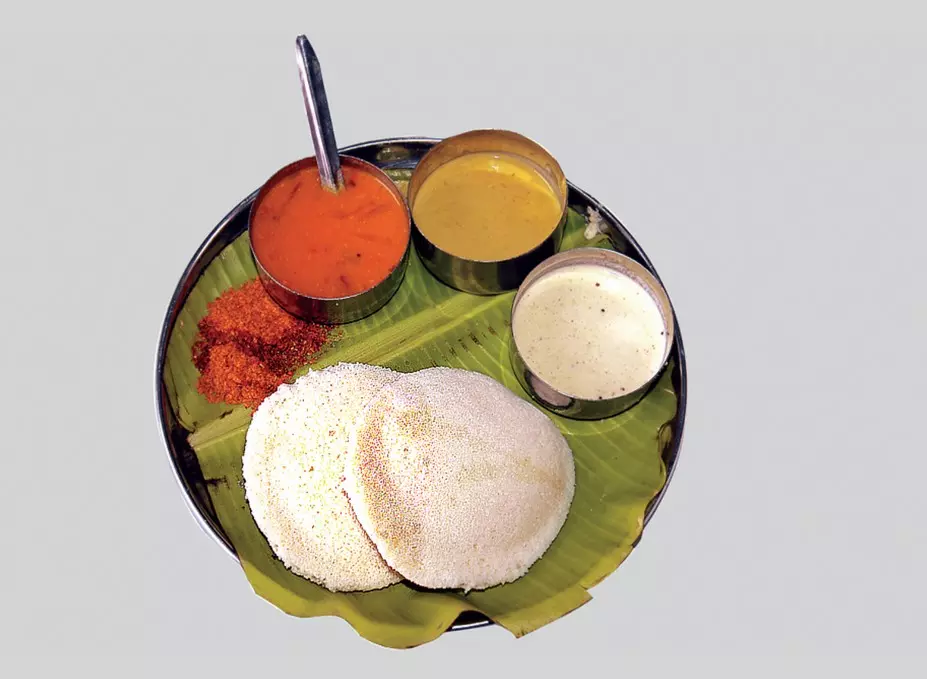
(Image:DC)
From steaming hot dumplings and veggies to pork bao buns and light steamed fish, the age-old technique of steam-cooking has emerged as a popular culinary method across the world. Celebs and chefs playfully swear by their ‘steamy affair’ with their favourite steam-cooked food!
Steaming not only preserves the nutrients in food, it enhances flavours. Today, restaurants prioritise steam-cooking as a fine dining method, using global techniques balanced with traditional ones. In an era where wellness is prioritised, steam cooking surges in prominence.
Powerful Steamer
Steaming is the gentle cooking with hot vapour. Food is not submerged in hot water, but vapour does the work. “Steaming is an ancient technique. China has dim sum, South India has idlis, Latin America has tamales, while Italians have seafood packets. This method encourages the philosophy of minimalism. With oil and spices at times elevating cooking, sometimes, best not to drown the ingredients, letting them shine on their own,” says Chef Ishijyot Surri, Executive Chef and Founder of Mulk, Miniyaturk and SJI.
In India, steamed food variety is amazing, from steamed rice cakes (pitha, pumaloi), idlis, idiyappam, dhoklas, momos, kozhukata, bhapa ilish, etc. These dishes, rooted in tradition, reflect the wisdom of balanced eating. “It is a beautiful practice to slow down, eat with intention, and reconnect with food that’s rooted in tradition, yet aligned with today’s wellness goals. They’re light on the stomach and often made with local seasonal ingredients. Long before sustainability became a global trend, Indian kitchens were already embracing organic produce, minimal waste, healthy cooking methods like steaming,” says Amit Dean, Chef
De Cuisine, Food Exchange Novotel Hyderabad Conven-tion Centre.
Types of Steamers
Steamers comprise a container made of metal, wood, or bamboo. “The container has a lid that is placed over it during cooking, to allow the steam to reach the food and cook it gently. Many modern ovens offer a steam function that infuses steam into the oven cavity to prevent moisture loss. Baking paper, or banana leaves, can be used to package ingredients to prevent steam from escaping during the cooking process. This technique is known as en papillote. With an efficient steamer, it is possible to create delicious meals,” says Shivani Sharma, Chefpreneur and Founder of Gourmestan.
Steaming preserves ingredients’ natural flavour, enhancing their taste. “When steaming bok choy, asparagus and broccoli, the appearance improves, and they remain crunchy. Gentle steaming keeps delicate fillets and prawns moist and flavourful. Steaming also improves the tenderness and flavour of chicken breast cooked with spices. Some fruits, such as pears and plums, can also be made soft for dessert when steamed,” adds Surri.
Steaming Sweets & Savoury
East Asian cuisines typically use steaming to prepare a variety of sweet and savoury dishes, including buns, baos, rice cakes and wagashi. Sweet steamed treats like English Plum pudding or rice flour and coconut date desserts can be satisfying. “Western cooking uses steam mostly for vegetables. Several Indian foods such as idli, dhokla, muthiya, puttu and various appams use steaming as the primary cooking technique. Steam is also used to prepare fish in East Indian and South Indian states,” adds Shivani.
Steamed food offers nourishing, easy-to-digest, and toxin-free food. Steaming doesn’t require oil, which eliminates added fat. Unlike frying or grilling, where food is exposed to high temperatures that can develop toxic compounds, such as acrylamides, due to charred edges or blackened crusts, steaming prevents burning altogether. “This gentle method protects food from carcinogens and keeps vital nutrients intact. Especially for those managing fatigue, gut imbalances, or detox needs, steamed food can support recovery,” says Mugdha Pradhan, Functional Nutritionist and CEO, Founder of iThrive.
Steaming needs to be done right for unlocking its full potential. “Steamed meats, fibrous vegetables can look properly cooked on the outside while remaining undercooked inside. So cut through the thickest part to ensure it's fully done. Undercooked food can result in digestive discomfort and gastric distress,” adds Pradhan.
Steaming Hot!
• Samantha Ruth Prabhu’s favourite dish is steamed oats and carrot idli
• Cricketer Virat Kohli avoids deep-fried food and 90% of his food consists
of steamed or boiled dishes
• Ex-US Vice President Kamala Harris’s favourite breakfast is steamed idli and sambar
• Mukesh Ambani loves Gujarati snack rice panki steamed in a banana leaf
• Shahid Kapoor favourite go-to breakfast is steamed idlis
Dream Steam Recipes
Steamed Toffee Pudding (Courtesy: Shivani Sharma)
Ingredients
• 10 g Medjool dates
• 160 ml milk
• 2 tbsp tahini
• 2 tbsp coconut oil
• 1 tbsp date syrup
• 75 g gluten-free flour
• 2 tsp cinnamon
• 1 tsp baking powder
• 1/4 tsp salt
For drizzle
• 3 tbsp tahini
• 1 tsp date syrup
• pinch of salt
Method
1. Heat the dates and milk together until the dates have softened.
2. Mash the dates into a paste. Add the tahini, coconut oil and
date syrup.
3. Combine the flour and other dry ingredients. Fold into the wet ingredients to make a smooth batter.
4. Pour the batter into a greased pudding basin. Cover with a circle of parchment and enclose it in baking paper.
5. Once the steamer water is simmering, place the pudding basin over the pot with a lid and steam for two hours.
6. The top of the pudding should be firm to the touch. Top up the water in the pot with boiling water as needed.
7. Turn the pudding out on a serving platter. Mix the ingredients for the drizzle and pour over the pudding.
8. Serve warm with ice cream or custard.
Steamed Cabbage Rolls (Courtesy: Chef Ishijyot Surri)
Ingredients
• 1 large cabbage
• Water (for blanching)
• Salt — 1 tsp
Filling
• 1 cup crumbled paneer
• 1/2 cup chopped mushrooms
• 1/2 cup grated carrots
• 1/2 cup chopped onions
• 3 tbsp garlic and 1 tbsp ginger (minced)
• 2 green chillies, chopped
• 2 1/2 tbsp soy sauce
• 1 tsp lemon juice
• Salt and pepper to taste
• 1 tbsp sesame oil
• 2 tbsp chopped coriander
• 2 tbsp spring onion greens
Method
1. Boil water in a pot with salt.
2. Separate 8–10 leaves from the cabbage.
3. Blanch the leaves. Remove and place in ice water. Drain and pat dry.
4. In a pan, heat oil. Sauté onions, garlic, and ginger. Add carrots, mushrooms, and paneer.
5. Stir-fry and season with soy sauce, lemon juice, salt, pepper, and chillies.
6. Cook till the mixture is dry. Add coriander and spring onions. Once cool, roll it.
7. Place a cabbage leaf flat. Add one tbsp of the filling at the base. Fold in the sides and roll tightly like a spring roll. Repeat for the remaining leaves.
8. Arrange rolls on a steamer tray lined with a banana leaf. Steam for 10 minutes. Serve with Saucea.
Steamed Fish (Courtesy -Chef Amit Dean)
Ingredients
• Fish fillet (tilapia or basa) – 2 pieces
• Salt and black pepper as per taste
• Tom Yum paste — 2 tablespoons
• Lemongrass — 1 stalk, finely chopped
• Kaffir lime leaves 3 — torn
• Galangal — 4 thin slices
• Banana leaves — for wrapping
Method
1. Season the fish fillets with salt and black pepper. Set aside for 5minutes.
2. Mix the Tom Yum paste, chopped lemongrass, kaffir lime leaves, and galangal slices.
3. Coat the seasoned fish fillets with the Tom Yum marinade. After 15 minutes, place each fillet in the centre of a banana leaf.
4. Fold the banana leaf into a parcel and fasten with toothpicks. Steam until the fish is cooked through and flakes with a fork.
Powerful Steamer
Steaming is the gentle cooking with hot vapour. Food is not submerged in hot water, but vapour does the work. “Steaming is an ancient technique. China has dim sum, South India has idlis, Latin America has tamales, while Italians have seafood packets. This method encourages the philosophy of minimalism. With oil and spices at times elevating cooking, sometimes, best not to drown the ingredients, letting them shine on their own,” says Chef Ishijyot Surri, Executive Chef and Founder of Mulk, Miniyaturk and SJI.
In India, steamed food variety is amazing, from steamed rice cakes (pitha, pumaloi), idlis, idiyappam, dhoklas, momos, kozhukata, bhapa ilish, etc. These dishes, rooted in tradition, reflect the wisdom of balanced eating. “It is a beautiful practice to slow down, eat with intention, and reconnect with food that’s rooted in tradition, yet aligned with today’s wellness goals. They’re light on the stomach and often made with local seasonal ingredients. Long before sustainability became a global trend, Indian kitchens were already embracing organic produce, minimal waste, healthy cooking methods like steaming,” says Amit Dean, Chef
De Cuisine, Food Exchange Novotel Hyderabad Conven-tion Centre.
Types of Steamers
Steamers comprise a container made of metal, wood, or bamboo. “The container has a lid that is placed over it during cooking, to allow the steam to reach the food and cook it gently. Many modern ovens offer a steam function that infuses steam into the oven cavity to prevent moisture loss. Baking paper, or banana leaves, can be used to package ingredients to prevent steam from escaping during the cooking process. This technique is known as en papillote. With an efficient steamer, it is possible to create delicious meals,” says Shivani Sharma, Chefpreneur and Founder of Gourmestan.
Steaming preserves ingredients’ natural flavour, enhancing their taste. “When steaming bok choy, asparagus and broccoli, the appearance improves, and they remain crunchy. Gentle steaming keeps delicate fillets and prawns moist and flavourful. Steaming also improves the tenderness and flavour of chicken breast cooked with spices. Some fruits, such as pears and plums, can also be made soft for dessert when steamed,” adds Surri.
Steaming Sweets & Savoury
East Asian cuisines typically use steaming to prepare a variety of sweet and savoury dishes, including buns, baos, rice cakes and wagashi. Sweet steamed treats like English Plum pudding or rice flour and coconut date desserts can be satisfying. “Western cooking uses steam mostly for vegetables. Several Indian foods such as idli, dhokla, muthiya, puttu and various appams use steaming as the primary cooking technique. Steam is also used to prepare fish in East Indian and South Indian states,” adds Shivani.
Steamed food offers nourishing, easy-to-digest, and toxin-free food. Steaming doesn’t require oil, which eliminates added fat. Unlike frying or grilling, where food is exposed to high temperatures that can develop toxic compounds, such as acrylamides, due to charred edges or blackened crusts, steaming prevents burning altogether. “This gentle method protects food from carcinogens and keeps vital nutrients intact. Especially for those managing fatigue, gut imbalances, or detox needs, steamed food can support recovery,” says Mugdha Pradhan, Functional Nutritionist and CEO, Founder of iThrive.
Steaming needs to be done right for unlocking its full potential. “Steamed meats, fibrous vegetables can look properly cooked on the outside while remaining undercooked inside. So cut through the thickest part to ensure it's fully done. Undercooked food can result in digestive discomfort and gastric distress,” adds Pradhan.
Steaming Hot!
• Samantha Ruth Prabhu’s favourite dish is steamed oats and carrot idli
• Cricketer Virat Kohli avoids deep-fried food and 90% of his food consists
of steamed or boiled dishes
• Ex-US Vice President Kamala Harris’s favourite breakfast is steamed idli and sambar
• Mukesh Ambani loves Gujarati snack rice panki steamed in a banana leaf
• Shahid Kapoor favourite go-to breakfast is steamed idlis
Dream Steam Recipes
Steamed Toffee Pudding (Courtesy: Shivani Sharma)
Ingredients
• 10 g Medjool dates
• 160 ml milk
• 2 tbsp tahini
• 2 tbsp coconut oil
• 1 tbsp date syrup
• 75 g gluten-free flour
• 2 tsp cinnamon
• 1 tsp baking powder
• 1/4 tsp salt
For drizzle
• 3 tbsp tahini
• 1 tsp date syrup
• pinch of salt
Method
1. Heat the dates and milk together until the dates have softened.
2. Mash the dates into a paste. Add the tahini, coconut oil and
date syrup.
3. Combine the flour and other dry ingredients. Fold into the wet ingredients to make a smooth batter.
4. Pour the batter into a greased pudding basin. Cover with a circle of parchment and enclose it in baking paper.
5. Once the steamer water is simmering, place the pudding basin over the pot with a lid and steam for two hours.
6. The top of the pudding should be firm to the touch. Top up the water in the pot with boiling water as needed.
7. Turn the pudding out on a serving platter. Mix the ingredients for the drizzle and pour over the pudding.
8. Serve warm with ice cream or custard.
Steamed Cabbage Rolls (Courtesy: Chef Ishijyot Surri)
Ingredients
• 1 large cabbage
• Water (for blanching)
• Salt — 1 tsp
Filling
• 1 cup crumbled paneer
• 1/2 cup chopped mushrooms
• 1/2 cup grated carrots
• 1/2 cup chopped onions
• 3 tbsp garlic and 1 tbsp ginger (minced)
• 2 green chillies, chopped
• 2 1/2 tbsp soy sauce
• 1 tsp lemon juice
• Salt and pepper to taste
• 1 tbsp sesame oil
• 2 tbsp chopped coriander
• 2 tbsp spring onion greens
Method
1. Boil water in a pot with salt.
2. Separate 8–10 leaves from the cabbage.
3. Blanch the leaves. Remove and place in ice water. Drain and pat dry.
4. In a pan, heat oil. Sauté onions, garlic, and ginger. Add carrots, mushrooms, and paneer.
5. Stir-fry and season with soy sauce, lemon juice, salt, pepper, and chillies.
6. Cook till the mixture is dry. Add coriander and spring onions. Once cool, roll it.
7. Place a cabbage leaf flat. Add one tbsp of the filling at the base. Fold in the sides and roll tightly like a spring roll. Repeat for the remaining leaves.
8. Arrange rolls on a steamer tray lined with a banana leaf. Steam for 10 minutes. Serve with Saucea.
Steamed Fish (Courtesy -Chef Amit Dean)
Ingredients
• Fish fillet (tilapia or basa) – 2 pieces
• Salt and black pepper as per taste
• Tom Yum paste — 2 tablespoons
• Lemongrass — 1 stalk, finely chopped
• Kaffir lime leaves 3 — torn
• Galangal — 4 thin slices
• Banana leaves — for wrapping
Method
1. Season the fish fillets with salt and black pepper. Set aside for 5minutes.
2. Mix the Tom Yum paste, chopped lemongrass, kaffir lime leaves, and galangal slices.
3. Coat the seasoned fish fillets with the Tom Yum marinade. After 15 minutes, place each fillet in the centre of a banana leaf.
4. Fold the banana leaf into a parcel and fasten with toothpicks. Steam until the fish is cooked through and flakes with a fork.
( Source : Deccan Chronicle )


Next Story