Fuel-Light Old Recipes Fire Up New Kitchens

Ramesh Kumar of the Telangana Chefs Association said chefs have cut slow-cooking methods and shifted to quick-cooking ingredients to save fuel.
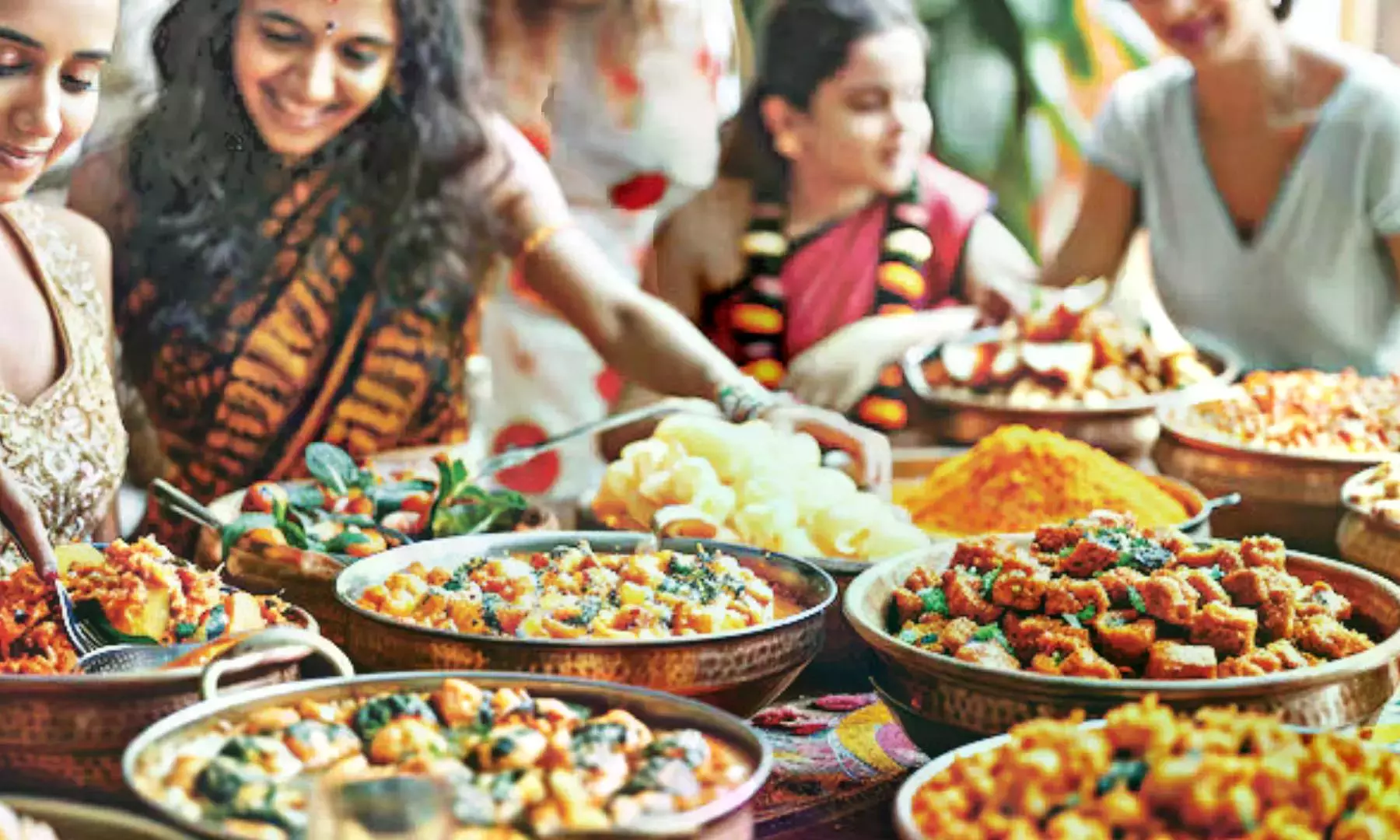
Hyderabad: Restrictions on LPG supply triggered by the West Asian conflict have forced households and professional kitchens in the city to rethink cooking practices, reviving memories of the challenges faced during the Covid lockdown. The crisis has pushed chefs to embrace fuel-saving, sustainable cooking methods that cut gas use and improve kitchen efficiency.
Deccan Chronicle spoke to residents, chefs and food businesses across the city on changing kitchen practices. Experts said households and eateries should turn kitchen and garden waste into biofuel through small-scale biogas systems to cut dependence on LPG and promote sustainable cooking.
Ramesh Kumar of the Telangana Chefs Association said chefs have cut slow-cooking methods and shifted to quick-cooking ingredients to save fuel. They are using pressure cooking, steaming, batch cooking and lids to retain heat, while soaking grains and pulses in advance to reduce cooking time. He said kitchens are also cooking multiple dishes together to maximise energy use. “Marinated meats, seafood and poultry are preferred over tougher meats as they cook faster and require less fuel,” he said.
He added that menus were being revised to include dishes that require shorter cooking times and minimal energy. “Restaurants, hotels and cloud kitchens adopting these practices can improve kitchen efficiency and sustainability,” he said.
At Regency College of Culinary Arts, Erramanzil, students are testing nutritious recipes that require little or no fuel, saying low-fuel cooking has become an important subject. One such dish is Dates and Nut Roll, a no-fuel dessert made by mixing soft dates with almonds, cashews and pistachios. The mixture is rolled, sliced and coated with coconut or crushed nuts, making it a healthy energy snack.
Vasantha Immaneni, a senior citizen, said Indian homes had long relied on low-fuel cooking methods. “Our kitchens have always used steam cooking and no-fuel dishes. Pachi pulusu uith Uggani is a traditional Telugu combination prepared without cooking. The raw tamarind broth is mixed with onions, green chillies, salt and coriander, giving it a tangy and mildly spicy flavour,” she said.
She said uggani is made from soaked puffed rice mixed with onions, green chillies, peanuts and coriander, giving it a light and crunchy texture. When served together, tangy pachi pulusu complements the soft and mildly spiced uggani, making it a simple and refreshing snack or light meal popular in the Telugu states.
Gayathri Srikanth, an IT professional, said many people are adapting to lifestyle changes and choosing healthy food once commonly eaten by elders. “Kanji is a traditional fermented rice preparation consumed in many parts of India, especially in South Indian households. It is made by soaking cooked rice or rice water in water and allowing it to ferment naturally overnight. The fermentation gives it a slightly sour taste and probiotic properties, making it good for digestion and gut health,” she said.
She added that kanji is usually served with salt, curd, onions, green chillies or pickles, and sometimes with roasted or soaked peanuts. “It is a simple, nutritious and cooling dish, traditionally eaten as a light meal or breakfast, especially in rural areas,” she said.
