Family’s Tragic History Leads To Life-Saving Transplant At OGH

The patient, aged one year and 10 months, was diagnosed with glycogen storage disease (GSD) Type III, a rare inherited metabolic disorder.
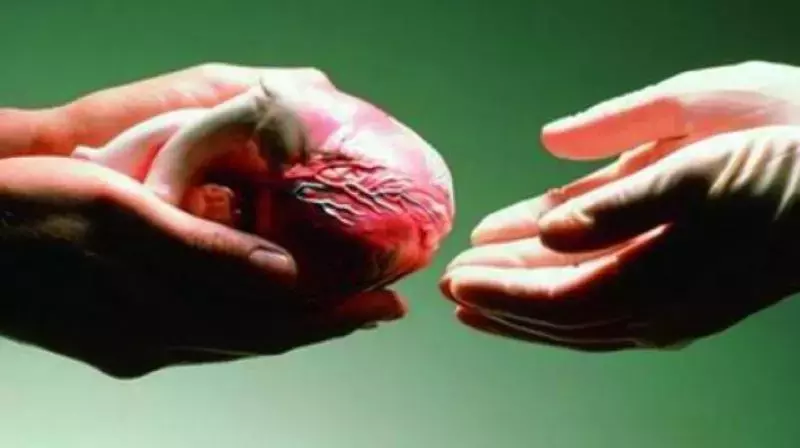
Hyderabad: A heartbreaking family history of unexplained child deaths has led doctors at Osmania General Hospital to successfully perform a rare living donor liver transplant on a toddler, offering the baby a second chance at life.
The patient, aged one year and 10 months, was diagnosed with glycogen storage disease (GSD) Type III, a rare inherited metabolic disorder. What initially appeared as routine symptoms soon revealed a deeper genetic pattern within the family.
“This is a genetic disorder linked to consanguineous marriage. When we probed into the family history, we found that three children had died with similar symptoms. An eight-year-old child from the same family had died just two years ago. They did not understand why this was happening. We realised that the children we tried to save earlier belonged to the same family,” said Dr Ch Madhusudhan, professor and head of the department of surgical gastroenterology and liver transplantation, at OGH.
Doctors explained that GSD Type III, also known as Cori/Forbes disease, occured due to the absence of a key enzyme that is required to convert stored glycogen into glucose. This leads to abnormal accumulation of glycogen in the liver and muscles, causing recurrent hypoglycaemia, liver enlargement, and progressive organ damage.
The child was admitted with excessive hunger, abdominal distension, drowsiness, and fatigue. Investigations revealed dangerously low blood sugar levels, extremely high cholesterol and triglycerides, and an enlarged liver. A liver biopsy and genetic testing confirmed the diagnosis.
Given the severity, the medical team opted for a living donor liver transplant. The 14-hour surgery was performed on April 28, with the father donating a portion of his liver.
“Liver transplantation in such cases not only replaces the damaged organ but also corrects the underlying enzyme deficiency, preventing further metabolic crises,” Dr Madhusudhan added.
The complex procedure, which would typically cost ₹50 lakh to `60 lakh in private hospitals, was performed free of cost under the Aarogyasri scheme. The Telangana government will also provide lifelong immunosuppressive medication for the child.
The toddler was recovering well, with no further hypoglycaemic episodes reported so far. Doctors highlighted that while dietary management remains the first line of treatment for such disorders, advanced cases require transplantation.
