Factory Oversight Left to States: Minister Shobha Karandlaje

Karandlaje reaffirmed the Centre’s commitment to industrial safety under the Factories Act, 1948, even as concerns rise over declining oversight, especially in major industrial states like Maharashtra, Tamil Nadu and Gujarat.
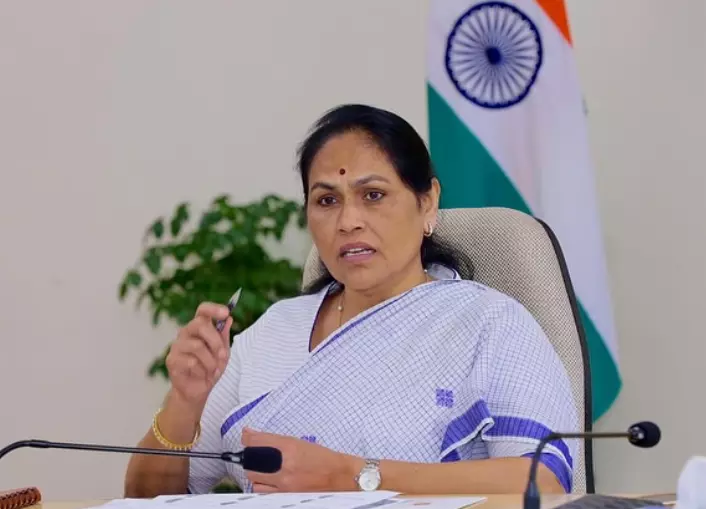
Hyderabad: Union Minister of state for labour Shobha Karandlaje told the Lok Sabha on Monday that the enforcement of factory safety regulations lies primarily with state authorities such as chief inspectors of factories (CIFs) and directorates of industrial safety and health (DISH).
Responding to a question by Hyderabad MP Asaduddin Owaisi on the low rate of factory inspections, she said that although the Factories Act is designed to ensure the safety, health and welfare of all factory workers, inspection frequency has declined in recent years, largely due to COVID-19-related disruptions to on-site monitoring.
Karandlaje reaffirmed the Centre’s commitment to industrial safety under the Factories Act, 1948, even as concerns rise over declining oversight, especially in major industrial states like Maharashtra, Tamil Nadu and Gujarat.
To address these challenges, the Directorate General of Factory Advice Service & Labour Institutes (DGFASLI) regularly conducts training programmes to equip state-appointed factory inspectors with technical skills and reinforce a culture of safety in hazardous workplaces, she said. These programs, including essential courses for newly recruited inspectors, are focused on building technical skills and fostering a culture of safety and vigilance in hazardous workplaces.
The minister did not announce immediate new funding or sweeping national guidelines for inspections and reaffirmed the government’s ongoing efforts to support states in strengthening their inspection infrastructure. The central focus, she said, remains on continuous skill development and capacity-building among inspectors to close any gaps and keep India’s industrial workforce safe. The Ministry is closely monitoring the situation and remains ready to collaborate with state governments for further improvements if required.
