Expired Medicines Pose Hidden Risks, Warn Doctors

Self-medication compounds the risk
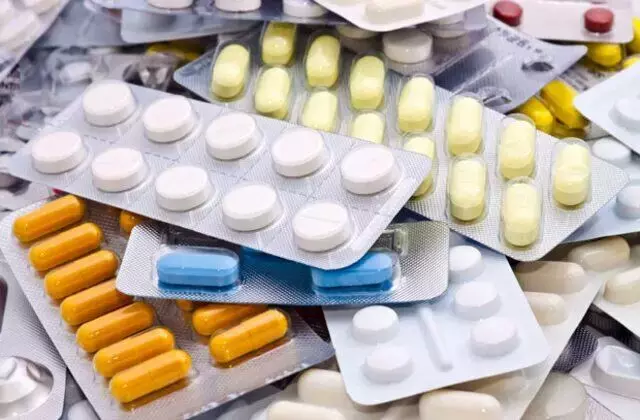
Hyderabad: A strip of tablets tucked away in a kitchen drawer or first aid box often becomes the first response to fever, headache or sore throat. Families frequently stock medicines “for emergencies” and later reuse them without checking expiry dates — a routine habit that doctors say is unsafe.
Dr Harin Busani, a city-based physician, explained: “Most expired tablets do not turn poisonous overnight. The bigger issue is loss of strength. If the medicine is less effective, the illness may last longer or worsen.” He noted particular concern with antibiotics, insulin, nitroglycerin, syrups and eye drops, which can lose potency or become contaminated. “Taking leftover or expired antibiotics may not fully clear infection and can fuel antibiotic resistance,” he said.
Self-medication compounds the risk. “People reuse old prescriptions or unfinished strips. Symptoms may ease temporarily, but the root cause remains untreated, delaying proper diagnosis,” said Dr Swati Jakkula.
Pharmacists admit customers often stock up during seasonal outbreaks or to avoid consultation costs. “Until stricter regulation comes in, we cannot advise against it,” said Altaf Mateen of a Habsiguda pharmacy.
Patients, too, point to dispensing practices. “Pharmacists insist on selling full strips. When ill, one barely checks expiry dates, and usage often tears away the printed details,” said Nikhil B, a media professional.
Doctors advise households to review medicine cabinets regularly. “It’s best to make it a habit to check monthly or during deep cleaning,” Dr Swati said. While keeping basic first aid supplies is sensible, long-term storage without monitoring expiry dates can be unsafe.
